

When it comes to product development, iteration is key. However, the process of iteration differs significantly between hardware and software. This article will delve into the contrasting nature of these two types of iteration, providing an in-depth understanding of their unique characteristics.
Before we delve deeper, it’s worth noting the importance of EMI/EMS compliance in hardware development. Now, let’s explore the differences between hardware and software iteration.
Understanding Hardware Iteration
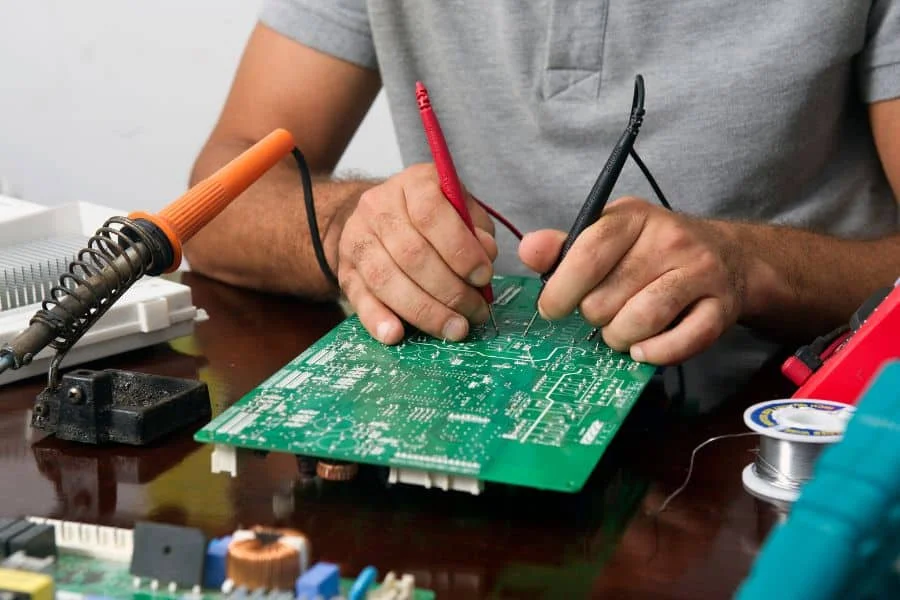
Hardware iteration involves the physical creation and modification of a product. It’s a complex process that requires extensive planning, prototyping, and testing. The cost and time associated with each iteration can be significant, making it crucial to get things right the first time.

Software Iteration: A Different Approach
Unlike hardware, software iteration is a more fluid and flexible process. Changes can be made quickly and at a relatively low cost. This allows for continuous improvements and adaptations based on user feedback and testing.
Comparing the Two
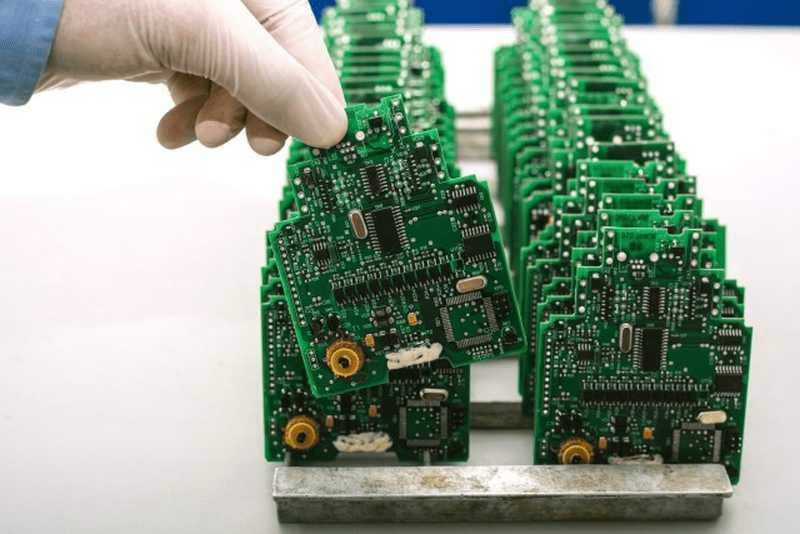
While both hardware and software iteration aim to improve a product over time, the processes involved are quite different. The physical nature of hardware makes its iteration process more complex and costly. On the other hand, the virtual nature of software allows for rapid and cost-effective iteration.
If you’re interested in learning more about the process of rapid prototyping in hardware development, consider reading this guide on rapid prototyping.
Understanding the differences between hardware and software iteration is crucial for anyone involved in product development. It allows for better planning, resource allocation, and ultimately, a more successful product.
