


Understanding the principles of hardware architecture design is essential for any engineer or designer working in the field. These principles serve as the foundation for creating efficient, reliable, and scalable hardware systems. In this discussion, we delve into these fundamental principles and their significance in hardware design.
For a more hands-on approach to understanding these principles, you might want to check out this guide on how to make functional prototypes.
Importance of Hardware Architecture Design Principles
The principles of hardware architecture design are crucial for several reasons. They guide designers in creating systems that are efficient, scalable, and reliable. These principles also help in making the most out of the available resources while minimizing waste and inefficiencies.
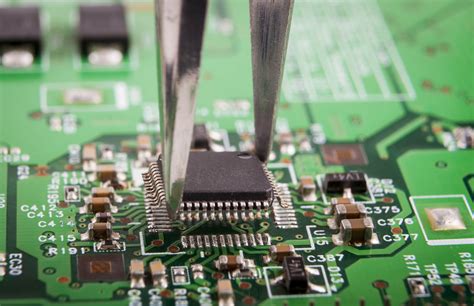
Key Principles in Hardware Design
There are several key principles in hardware design. These include modularity, scalability, efficiency, and reliability. Understanding these principles can help designers create systems that meet the needs of their users while maximizing the use of available resources.

Applying these Principles in Practice
Applying these principles in practice requires a deep understanding of the hardware and its capabilities. It also requires a clear vision of the system’s goals and constraints. With these in mind, designers can create systems that are efficient, scalable, and reliable.
For more insights on hardware prototyping, you can visit this descriptive anchor text.
By understanding and applying these principles, designers can create hardware systems that meet the needs of their users and stand the test of time.
