

Living independently in a lush, humid climate brings unique rewards and hurdles. For those drawn to tropical off-grid homesteading, the promise of year-round growing seasons and abundant natural resources is balanced by the realities of intense weather, rapid plant growth, and persistent pests. Whether you’re planning a move or already living in a remote, self-sufficient setting, understanding the specific demands of the tropics is essential for long-term success.
This article explores the most common obstacles faced by homesteaders in tropical regions and shares practical advice for thriving off the grid. Along the way, you’ll find tips on land management, food production, water systems, and sustainable living, as well as resources for further learning and smart upgrades.
If you’re interested in other climate-specific approaches, you may also want to read about off-grid homesteading in deserts for a contrasting perspective.
Climate Realities: Weather, Heat, and Humidity
The tropical environment is defined by high temperatures, heavy rainfall, and high humidity. These factors shape every aspect of off-grid life, from building materials to daily routines.
- Heat Management: Homes must be designed for airflow, with shaded areas and open layouts to keep interiors cool. Traditional materials like bamboo, thatch, or clay can help regulate temperature, while metal roofs often require insulation to prevent overheating.
- Storm Preparedness: Tropical storms and hurricanes are a real risk. Structures should be anchored and reinforced, and it’s wise to keep emergency supplies and evacuation plans ready during storm season.
- Humidity Control: Persistent moisture can cause mold, rot, and corrosion. Regular maintenance, proper ventilation, and moisture barriers are critical for protecting buildings and stored goods.
Food Production in the Tropics: Abundance and Obstacles
One of the biggest draws of tropical off-grid homesteading is the ability to grow food year-round. However, the same conditions that encourage rapid plant growth also support weeds, pests, and plant diseases.
Managing Crops and Livestock
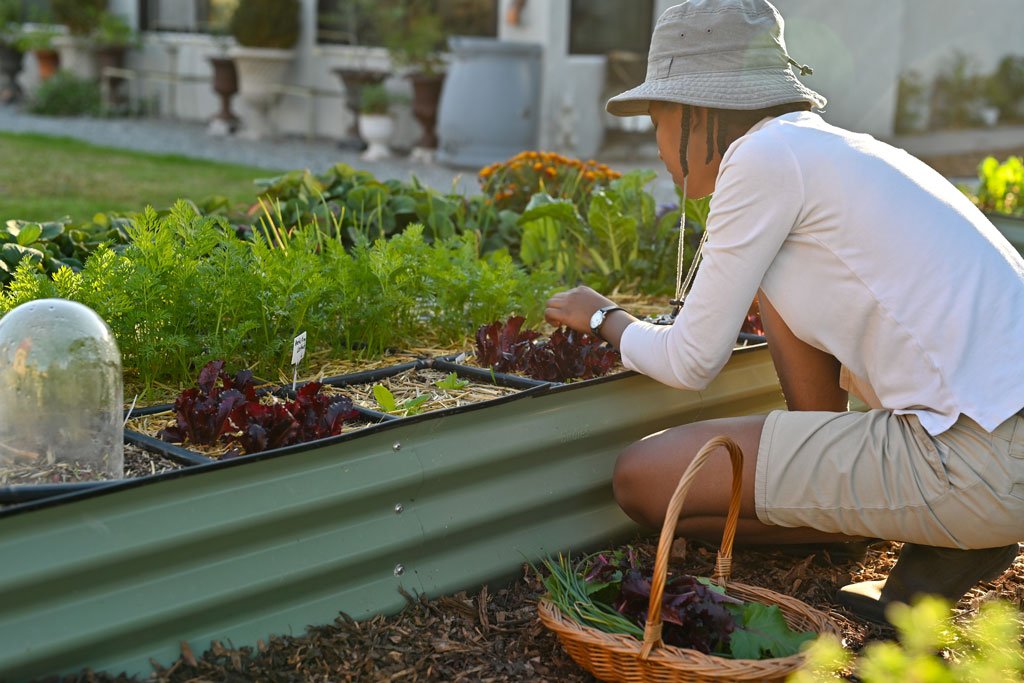
- Soil Health: Heavy rains can leach nutrients from the soil. Regular mulching, composting, and the use of raised beds help retain fertility and prevent erosion.
- Pest and Disease Control: Insects, fungi, and other pests thrive in warm, damp conditions. Integrated pest management, crop rotation, and companion planting are effective strategies. Physical barriers like netting can also protect vulnerable crops.
- Livestock Care: Chickens, goats, and other animals need shaded, well-ventilated shelters. Automatic coop doors and predator-proof fencing reduce losses and daily labor.
For those considering automation, off-grid homestead automation can streamline chores and improve efficiency, especially in challenging climates.
Water Systems: Collection, Storage, and Purification
Reliable water is the backbone of any remote homestead. In the tropics, rainfall is abundant but often arrives in short, intense bursts. Effective collection and storage systems are essential.
- Rainwater Harvesting: Large roof surfaces and gutter systems can capture thousands of liters during a single storm. Storage tanks should be covered and regularly cleaned to prevent mosquito breeding and contamination.
- Filtration and Purification: Even rainwater may carry debris or pathogens. Simple sand filters, ceramic filters, or solar disinfection methods can make water safe for drinking and cooking.
- Greywater Reuse: Water from sinks and showers can be reused for irrigation, reducing waste and supporting gardens during dry spells.
Energy Independence in Humid Environments
Generating and storing power in a tropical setting comes with its own set of challenges. High humidity and heat can shorten the lifespan of batteries and electronics, while frequent storms may damage solar panels or wind turbines.
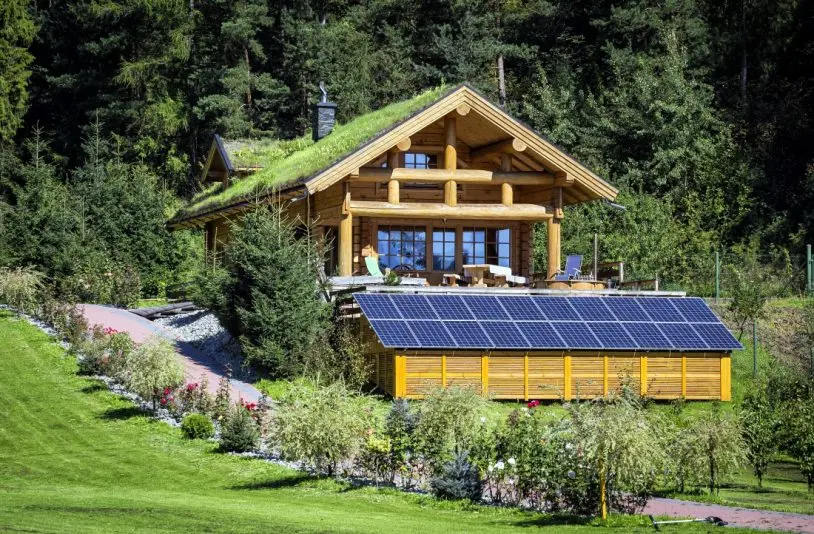
- Solar Power: Solar panels are popular, but must be kept clean of debris and mold. Panels should be securely mounted to withstand strong winds.
- Battery Care: Store batteries in shaded, ventilated enclosures to extend their life. Regular maintenance and monitoring are key.
- Backup Systems: Small generators or manual charging devices can provide emergency power during extended cloudy periods or after storms.
Staying connected is also important for safety and convenience. Explore off-grid internet solutions to maintain reliable communication in remote areas.
Land Management and Sustainable Practices
The rapid growth of vegetation in tropical regions can quickly overwhelm trails, gardens, and structures. Regular maintenance and thoughtful land use are essential for a productive and enjoyable homestead.
- Clearing and Maintenance: Machetes, brush cutters, and mulching are everyday tools. Paths and garden beds should be kept clear to prevent pests and allow easy access.
- Agroforestry: Integrating trees with crops and livestock creates a more resilient system, providing shade, windbreaks, and additional food sources.
- Waste Management: Composting organic waste and recycling materials reduces environmental impact and supports soil health.

Community, Security, and Remote Work
Living far from urban centers can be isolating, but building connections with neighbors and local communities is invaluable. Sharing resources, knowledge, and labor makes life easier and safer.
- Community Networks: Participate in local markets, workshops, or online forums to exchange skills and surplus goods.
- Security: Fencing, lighting, and secure storage help protect property from theft and wildlife. Dogs and other animals can also provide early warnings.
- Remote Work: Many homesteaders supplement their income through online work. Learn more about remote work off-grid to stay financially resilient while living in the tropics.
Budgeting and Resourcefulness
Starting or maintaining a self-sufficient lifestyle in a tropical region doesn’t require a fortune. Many people have succeeded by using local materials, bartering, and learning new skills. For inspiration and practical advice, see this guide to living off the grid with minimal financial resources.
Frequently Asked Questions
What are the biggest pests and how can I control them?
Insects like ants, termites, and mosquitoes are common, along with rodents and larger wildlife. Integrated pest management, regular clearing, and physical barriers such as netting and fencing are effective. Chickens and ducks can also help control insect populations.
How do I keep food from spoiling in the heat and humidity?
Use cool, shaded storage areas and airtight containers. Solar dehydrators and fermentation are useful preservation methods. For animal products, smoking, salting, or canning can extend shelf life.
Is it possible to live off-grid in the tropics without prior experience?
Yes, but preparation is key. Start small, seek advice from experienced homesteaders, and be ready to adapt. Learning basic skills in gardening, building, and water management will make the transition smoother.
How do I stay connected to the outside world?
Many remote homesteads use satellite internet or cellular boosters. Explore off-grid internet solutions for reliable connectivity.
Conclusion
Adapting to the demands of tropical off-grid homesteading requires flexibility, resourcefulness, and a willingness to learn from both nature and your neighbors. By understanding the unique challenges of the climate, investing in smart systems, and building strong community ties, you can create a thriving, resilient homestead in even the most vibrant environments.
