

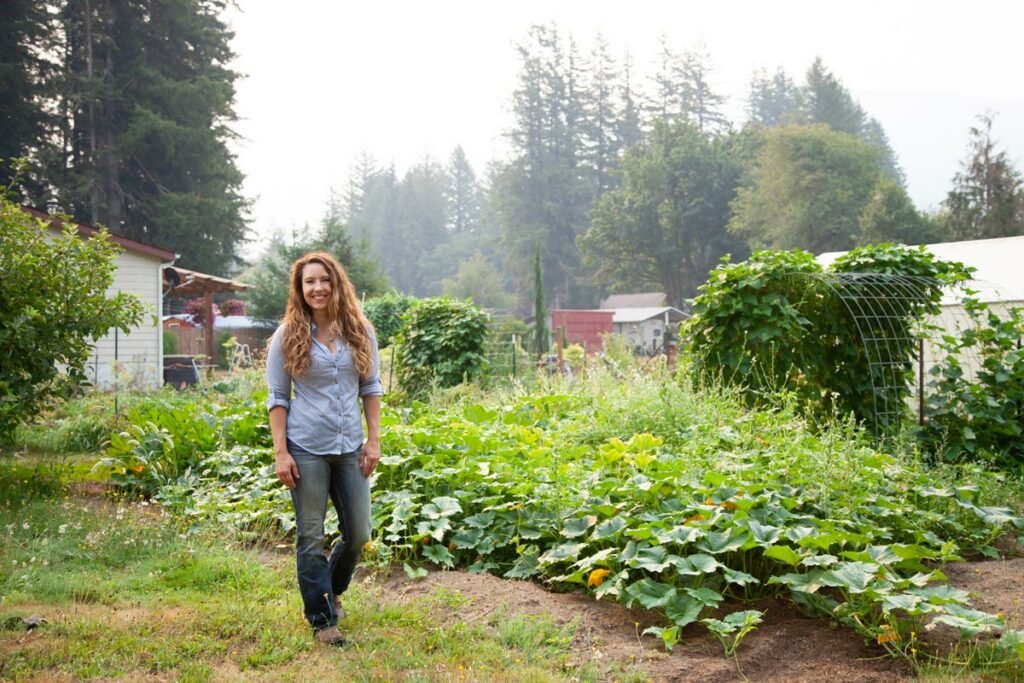
The idea of living away from city infrastructure, generating your own power, and relying on the land appeals to many seeking independence and a closer connection to nature. The rural off-grid lifestyle promises self-sufficiency, sustainability, and a break from modern distractions. However, the reality is a blend of rewards and challenges that require careful consideration and preparation.
For those considering this way of life, it’s important to weigh the practical aspects, including daily routines, resource management, and the impact on wellbeing. If you’re interested in how this lifestyle affects personal wellness, you might find insights in our article on mental health off-grid living.
Understanding Life Off the Grid
Living off the grid in rural areas means disconnecting from municipal utilities such as electricity, water, and sewage. Instead, residents rely on alternative energy sources, private wells, septic systems, and often grow their own food. This approach is about more than just location—it’s a commitment to a different pace and set of responsibilities.
People choose this path for various reasons: environmental concerns, a desire for privacy, or the satisfaction of building a homestead from the ground up. While the rewards can be substantial, the learning curve is steep, and the workload is constant.
Major Benefits of a Rural Off-Grid Approach
Embracing a rural off-grid lifestyle offers several notable advantages:
- Independence: Freedom from utility bills and reliance on external systems.
- Sustainability: Reduced carbon footprint through renewable energy and eco-friendly practices.
- Connection to Nature: Daily life revolves around the rhythms of the land and seasons.
- Privacy and Space: Rural locations offer solitude and room to expand gardens, raise animals, or simply enjoy quiet surroundings.
- Personal Satisfaction: Building and maintaining your own systems fosters a sense of accomplishment and resilience.
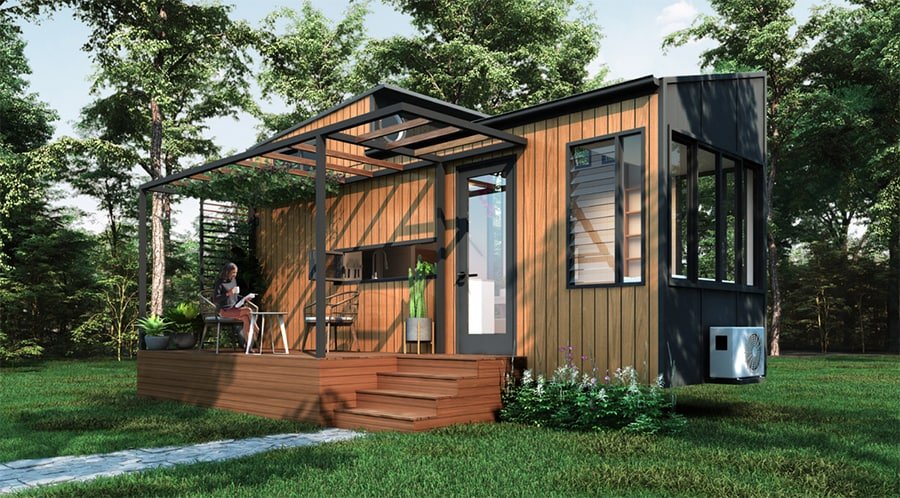
Challenges and Drawbacks to Consider
While the rewards are real, there are also significant obstacles to rural self-sufficiency:
- Initial Investment: Setting up solar panels, water systems, and other infrastructure can be costly.
- Physical Labor: Daily chores such as hauling water, splitting wood, and maintaining equipment demand physical effort year-round.
- Isolation: Rural living can mean fewer social opportunities and longer distances to services or emergency help.
- Resource Management: Power and water must be carefully conserved, especially during extreme weather or drought.
- Technical Know-How: Troubleshooting solar inverters, plumbing, or generators often falls on the homeowner.
- Weather Vulnerability: Storms, snow, and heat waves can disrupt daily routines or damage systems.
For a deeper look at overcoming these issues, our guide on challenges of off-grid living offers practical solutions and advice.
What Daily Life Really Looks Like
The day-to-day experience of living off the grid in a rural setting is shaped by ongoing maintenance and seasonal cycles. Tasks range from tending gardens and livestock to monitoring battery banks and collecting firewood. Flexibility and adaptability are crucial, as plans often change due to weather or equipment issues.
Many find joy in the routines: harvesting vegetables, caring for animals, and preserving food for winter. However, these activities require time, patience, and a willingness to learn new skills. Community connections, whether with neighbors or online groups, can provide valuable support and knowledge sharing.
Essential Skills and Tools for Off-Grid Success
Thriving in a rural off-grid lifestyle requires a broad set of practical skills. Some of the most valuable include:
- Basic carpentry and construction for repairs and improvements
- Gardening and food preservation techniques
- Animal husbandry for those raising livestock or poultry
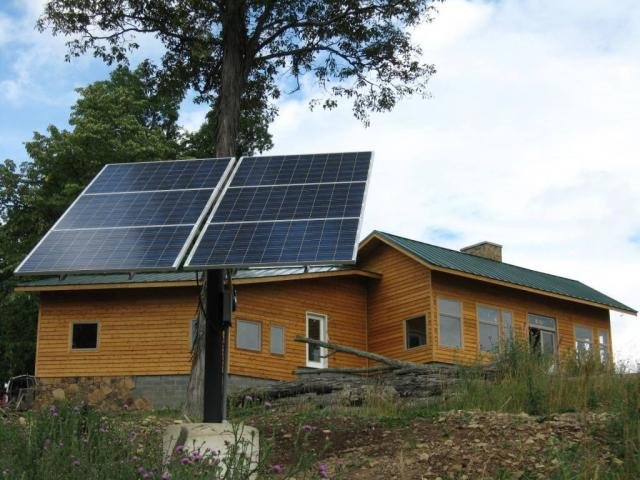
- Understanding renewable energy systems (solar, wind, or hydro)
- Water filtration and management
- First aid and emergency preparedness
Investing in quality tools and learning from experienced homesteaders can ease the transition. Many resources, such as the comprehensive off-grid living guide, offer step-by-step advice on setting up and maintaining essential systems.
Is This Lifestyle Right for You?
Before making the leap, it’s wise to honestly assess your goals, resources, and willingness to adapt. Consider starting small—perhaps with a weekend cabin or by experimenting with solar panels and rainwater collection at your current home. Visiting established homesteads or connecting with others who have made the transition can provide realistic expectations.
The rural off-grid lifestyle is not for everyone, but for those who embrace its demands, it can be deeply rewarding. The key is to prepare thoroughly, remain flexible, and celebrate small victories along the way.
Frequently Asked Questions
What are the biggest challenges of living off the grid in rural areas?
The most common obstacles include managing energy and water resources, handling repairs without immediate professional help, and coping with isolation or extreme weather. Learning to anticipate and adapt to these challenges is essential for long-term success.
How much does it cost to set up an off-grid homestead?
Costs vary widely depending on location, land prices, and the systems you choose. Initial investments in solar panels, batteries, wells, and septic systems can be significant, but ongoing expenses are often lower than traditional living. Budgeting for maintenance and unexpected repairs is also important.
Can you maintain a social life while living off the grid?
While rural locations can be isolating, many off-gridders build strong connections with neighbors, participate in local events, or join online communities. Maintaining relationships requires effort but is entirely possible with intention and planning.
