

Living away from urban centers offers peace, privacy, and a closer connection to nature, but it also brings unique challenges—especially when it comes to staying connected. Reliable off-grid internet solutions are essential for those who work remotely, manage homesteads, or simply want access to information and communication tools. The right setup can make remote living practical, productive, and enjoyable, no matter how far you are from traditional infrastructure.
Whether you’re transitioning to a rural lifestyle or upgrading your current setup, understanding the available connectivity options is crucial. This article explores the most effective ways to access the web when living off the beaten path, including satellite, cellular, and hybrid systems. For those interested in broader homesteading topics, you may also find value in our guide on transitioning to off-grid life, which covers essential considerations for a successful move.
Understanding Off-Grid Connectivity Needs
Before selecting an internet system, assess your specific requirements. Consider how many devices will connect, the type of activities you’ll do online (such as video calls, streaming, or basic browsing), and the reliability you expect. For many, off-grid internet solutions must balance speed, cost, and availability.
- Bandwidth: Higher speeds are needed for video streaming and conferencing.
- Data Limits: Some plans have strict caps, which can affect heavy users.
- Power Consumption: Choose systems that match your energy setup, especially if you rely on solar or wind power.
- Weather Resistance: Equipment should withstand local climate conditions.
Satellite Internet: Reliable Coverage Almost Anywhere
Satellite technology is a leading choice for those in extremely remote areas. Providers like Starlink, HughesNet, and Viasat offer wide coverage, making them accessible even in locations with no cellular service. These systems use a dish to communicate with satellites orbiting the earth, delivering internet directly to your property.
Advantages:
- Works in almost any location with a clear view of the sky
- Setup is often straightforward
- Newer systems (like Starlink) offer high speeds and lower latency
Drawbacks:
- Monthly costs can be higher than other options
- Performance may drop during severe weather
- Some providers enforce data caps or throttling
Cellular-Based Internet: Flexible and Portable
If you have mobile phone coverage at your site, cellular internet can be a cost-effective and flexible solution. Using a dedicated hotspot device or a phone with tethering, you can access 4G LTE or 5G networks for decent speeds. Many rural residents combine cellular with signal boosters to improve reliability.
- Portability: Easily move your hotspot device or SIM card between locations.
- Scalability: Add more data or upgrade plans as your needs change.
- Affordability: Often less expensive than satellite, especially for moderate use.
However, coverage can be inconsistent in remote areas, and speeds may fluctuate based on network congestion or weather. For those working from home, our article on remote work off-grid offers additional tips for maintaining a stable connection.
Hybrid and Redundant Systems for Maximum Uptime
Many off-grid residents use a combination of internet sources to ensure continuous access. For example, you might rely on satellite as your primary connection and keep a cellular hotspot as a backup. This approach helps maintain connectivity during outages or maintenance periods.
Hybrid setups can also include point-to-point wireless links or long-range Wi-Fi antennas if you have line-of-sight to a friend’s connection or a community network. These systems require more technical know-how but can offer fast, reliable service in certain situations.
Powering Your Internet Equipment Off the Grid
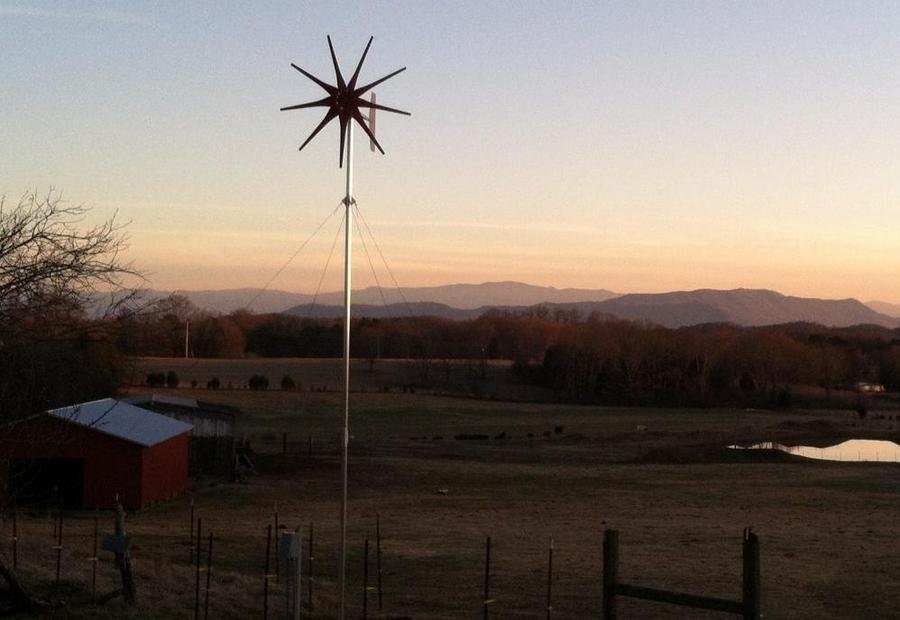
All off-grid internet solutions require a reliable power source. Solar panels are the most common choice, often paired with battery banks to provide 24/7 operation. Wind turbines and micro-hydro systems can supplement solar, especially in areas with less sunlight.
- Calculate the total wattage of your modem, router, and other networking devices.
- Ensure your battery bank can support these loads overnight or during cloudy periods.
- Use energy-efficient equipment to minimize power draw.

Installation and Maintenance Tips
Setting up your internet system off the grid may require some DIY skills, especially if you’re mounting satellite dishes or installing antennas. Here are a few practical tips:
- Choose a mounting location with a clear line of sight to the sky or nearest cell tower.
- Secure all equipment against wind, snow, and wildlife.
- Use weatherproof enclosures for sensitive electronics.
- Regularly check cables and connections for wear or corrosion.
For a deeper dive into building a resilient homestead, explore this comprehensive guide to off-grid homestead construction.
Cost Considerations and Budgeting
The price of off-grid internet solutions varies widely. Initial equipment costs for satellite or cellular systems can range from a few hundred to over a thousand dollars, depending on the provider and hardware. Monthly service fees also differ, with satellite often being more expensive than cellular.
- Factor in the cost of power systems (solar panels, batteries, inverters) when budgeting.
- Look for bundled deals or refurbished equipment to save money.
- Consider ongoing maintenance and potential upgrade costs.
Staying Secure and Private Online
Security is just as important off the grid as it is in the city. Use strong passwords, enable encryption on your Wi-Fi network, and keep your devices updated. For those interested in privacy and data protection, our resource on data privacy in wearable technology offers actionable advice that applies to all connected devices.
Frequently Asked Questions
What is the most reliable way to get internet in remote locations?
Satellite internet is typically the most reliable option for extremely remote areas, as it does not depend on local infrastructure. Newer services like Starlink offer high speeds and lower latency, making them suitable for most online activities.
Can I use my mobile phone plan for off-grid internet?
Yes, if you have cellular coverage, you can use your phone’s hotspot feature or a dedicated mobile hotspot device. However, coverage and speeds can vary, and data limits may apply.
How can I reduce the power consumption of my internet setup?
Choose energy-efficient routers and modems, power devices only when needed, and use timers or smart plugs to limit unnecessary usage. Solar panels paired with battery storage are a popular solution for powering equipment sustainably.
