

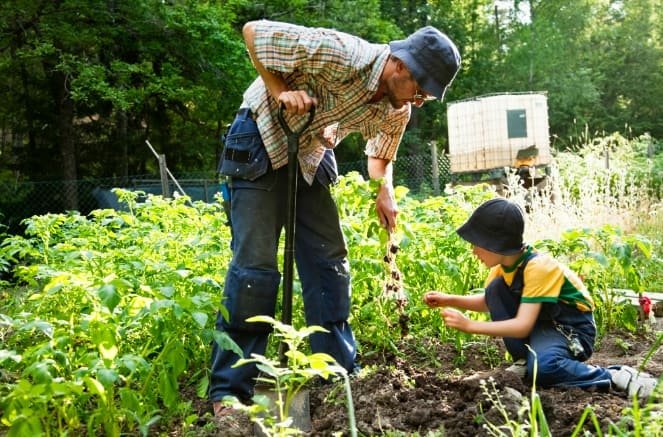
The idea of living independently, away from municipal utilities and city life, has inspired many to consider off-grid homesteading. However, a number of off-grid homesteading myths persist, often making the lifestyle seem either impossibly difficult or unrealistically simple. This article addresses the most common misconceptions, providing a realistic look at what it truly means to create a self-reliant home.
Whether you’re curious about energy independence, food production, or the day-to-day realities of rural living, understanding the facts is essential. For a more detailed perspective on the rural off-grid lifestyle, including its pros and cons, you can explore additional resources as you read on.
Myth 1: Living Off-Grid Means Going Without Modern Comforts
One of the most persistent off-grid homesteading myths is that embracing this lifestyle requires abandoning all modern amenities. While it’s true that off-grid homes aren’t connected to public utilities, many homesteaders enjoy electricity, running water, and even internet access. The difference lies in how these comforts are sourced and managed.
Solar panels, wind turbines, and micro-hydro systems can provide reliable power. Water can be sourced from wells, springs, or rainwater collection systems. With thoughtful planning and investment, off-grid living can be both comfortable and sustainable. The key is understanding your needs and designing systems that match your location and climate.
Myth 2: Off-Grid Homesteading Is Cheaper Than City Living
Many believe that moving off-grid will automatically lead to lower expenses. In reality, the initial costs of land, infrastructure, and equipment can be significant. Setting up solar arrays, water systems, and efficient heating often requires a substantial upfront investment.
Over time, some costs may decrease—especially utility bills—but maintenance, repairs, and upgrades are ongoing. Budgeting for these expenses is crucial. For those interested in minimizing costs, resources like how to live off the grid with little or no money can offer practical strategies, but it’s important to approach such advice with realistic expectations.
Myth 3: You Must Be Completely Self-Sufficient
The image of the lone homesteader growing all their own food, making clothes, and never needing outside help is largely a fantasy. While self-reliance is a core value, most off-grid families still rely on community, trade, and occasional store-bought goods.
Building a network with neighbors, participating in local markets, and bartering for goods and services are all common practices. True resilience often comes from collaboration rather than total isolation.

Myth 4: Off-Grid Living Is Only for Survivalists or Extremists
Another common misconception is that only hardcore survivalists or those preparing for disaster choose to live off the grid. In reality, people from all walks of life are drawn to this lifestyle for a variety of reasons—environmental concerns, a desire for independence, or simply the appeal of rural tranquility.
Many off-grid homesteaders are families, retirees, or professionals seeking a slower pace and a closer connection to nature. The movement is diverse, and motivations are as varied as the people involved.
Myth 5: Growing Food Off-Grid Is Simple and Always Productive
The romantic notion of abundant gardens and overflowing pantries often overlooks the challenges of food production. Soil quality, pests, weather, and water availability all play major roles in gardening success. Learning to grow food off-grid requires patience, experimentation, and sometimes, failure.
Raised beds, greenhouses, and careful crop selection can improve yields, but setbacks are inevitable. Investing in quality tools and infrastructure, such as raised garden beds, can make a significant difference for beginners and experienced growers alike.

Myth 6: Off-Grid Homesteading Is Isolating and Lonely
It’s easy to imagine that living away from urban centers means social isolation. However, many off-grid communities are vibrant and supportive. Homesteaders often form close relationships with neighbors, participate in local events, and collaborate on projects.
Technology also helps bridge the gap. With satellite internet and mobile connectivity, staying in touch with friends and family or accessing educational resources is easier than ever. For more on the realities of rural living, the rural off-grid lifestyle article provides additional insights.
Myth 7: You Need Special Skills or a Background in Farming
While some knowledge of gardening, carpentry, or animal husbandry is helpful, most skills can be learned over time. Many successful homesteaders start with little experience and build their abilities through research, trial and error, and advice from others.
There are countless books, online forums, and local workshops dedicated to off-grid skills. The willingness to learn and adapt is far more important than having a farming background from the start.
Myth 8: Off-Grid Homesteading Is Bad for the Environment
Some critics argue that living off-grid can harm the environment, especially if land is cleared or resources are overused. However, most homesteaders are deeply committed to sustainability. Renewable energy, permaculture gardening, water conservation, and wildlife stewardship are common priorities.
Responsible land management and a focus on reducing waste can make off-grid living a positive force for the environment. Like any lifestyle, the impact depends on choices and practices.
Frequently Asked Questions
Is off-grid homesteading legal everywhere?
Laws and regulations vary widely by location. Some areas encourage self-reliant living, while others have strict building codes or zoning restrictions. It’s important to research local laws before purchasing land or starting a project.
How much land do you need for an off-grid homestead?
The amount of land required depends on your goals. For basic gardening and a small home, even an acre can be sufficient. If you plan to raise livestock or grow most of your own food, more space may be needed. Consider water access, soil quality, and sunlight when choosing a site.
Can you make a living from an off-grid homestead?
Some homesteaders generate income by selling produce, crafts, or offering workshops. Others work remotely or have part-time jobs. While complete financial independence from the land is challenging, many find ways to supplement their income through creative means.
Debunking off-grid homesteading myths helps clarify what this lifestyle is—and isn’t. With realistic expectations, careful planning, and a willingness to learn, off-grid living can be both rewarding and achievable for a wide range of people.
