

Living independently in arid environments requires a unique set of skills and strategies. For those drawn to off-grid homesteading in deserts, the challenges are real but so are the rewards. Extreme temperatures, scarce water, and limited vegetation demand careful planning and resourcefulness. This guide offers practical advice for those considering a self-sufficient lifestyle in these demanding landscapes, covering essential topics like water sourcing, shelter, food, and energy solutions.
Before diving into the core survival strategies, it’s worth noting that modern technology can play a significant role in making desert living more manageable. For example, integrating off-grid homestead automation can streamline energy use and daily routines, freeing up time for other vital tasks.
Choosing the Right Desert Location for Your Homestead
Selecting a suitable site is the foundation of any successful desert homestead. Look for areas with natural windbreaks, such as rock formations or hills, which can provide shelter from sandstorms and reduce heat loss at night. Proximity to a reliable water source, even if seasonal, is crucial. Research local regulations regarding land use, water rights, and building codes before making a commitment.
Soil quality also matters. While most desert soils are sandy and low in organic matter, some regions offer patches of more fertile ground. Testing the soil can help determine what crops will thrive and what amendments may be needed. Accessibility is another factor—ensure you can reach your property year-round, especially during rare but heavy rains that can make roads impassable.
Water Sourcing and Conservation in Arid Environments
Water is the most precious resource for anyone practicing off-grid homesteading in deserts. Rainfall is infrequent, so every drop must be captured and conserved. Rainwater harvesting systems, including gutters and storage tanks, are essential. Position collection surfaces to maximize runoff, and use covered cisterns to prevent evaporation.
Greywater recycling—reusing water from sinks, showers, and laundry for irrigation—can significantly extend your supply. Drip irrigation systems deliver water directly to plant roots, minimizing waste. Mulching garden beds helps retain soil moisture and keeps roots cool. For drinking and cooking, consider installing a high-quality filtration system, especially if your source is a well or collected rainwater.
Building Shelter for Extreme Desert Conditions
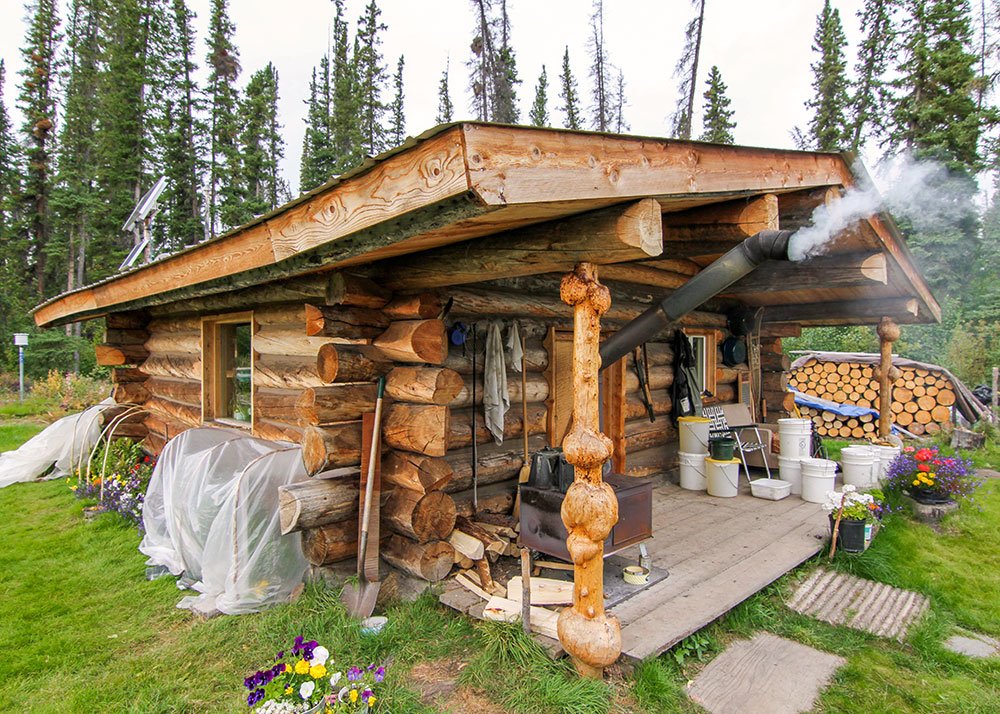
A well-designed shelter protects against both the intense sun and cold desert nights. Thick, insulated walls made from adobe, earthbags, or straw bales offer excellent thermal mass, keeping interiors cool during the day and warm at night. Orient buildings to minimize direct sunlight exposure in summer while allowing for passive solar heating in winter.
Roof overhangs and shaded porches reduce heat gain. Use light-colored or reflective roofing materials to deflect sunlight. Ventilation is key—install operable windows and vents to promote airflow and reduce indoor temperatures. If possible, partially earth-berm your home to take advantage of the ground’s stable temperature.
Growing Food and Raising Animals in the Desert
Producing food in a dry climate takes creativity and careful planning. Focus on drought-tolerant crops such as amaranth, okra, beans, and certain varieties of squash. Raised beds with rich soil and mulch help conserve water and improve yields. Shade cloth can protect delicate plants from scorching midday sun.
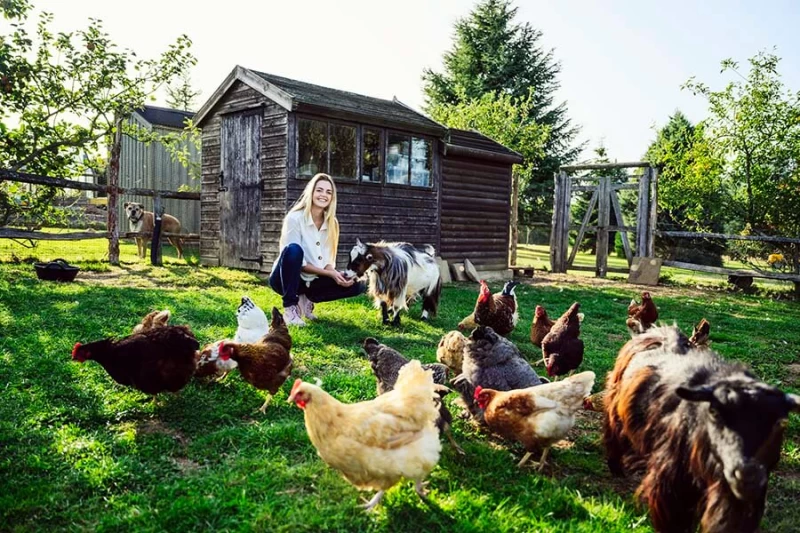
For animal husbandry, choose breeds adapted to heat and limited forage. Chickens, goats, and certain heritage sheep can thrive with proper care. Provide ample shade, cool water, and well-ventilated coops or shelters. Automated systems, like those discussed in this comprehensive guide to off-grid homesteads, can simplify daily chores and improve animal welfare.
Renewable Energy and Power Solutions for Remote Living
Sunlight is abundant in deserts, making solar panels the go-to choice for electricity. Install panels on rooftops or ground mounts with optimal orientation for year-round performance. Battery banks store excess energy for use at night or during cloudy periods. For added resilience, consider a backup generator or small wind turbine if local conditions allow.
Efficient appliances and LED lighting help conserve power. Solar water heaters and cookers can further reduce reliance on traditional fuels. For those who need reliable connectivity, explore off-grid internet solutions designed for remote environments.
Staying Safe and Healthy in Harsh Climates
Extreme heat and sun exposure are constant risks. Wear protective clothing, wide-brimmed hats, and sunglasses when outdoors. Schedule strenuous tasks for early morning or late afternoon. Keep a well-stocked first aid kit and learn basic emergency care, including how to treat dehydration and heat exhaustion.
Wildlife encounters are possible, so secure food and waste to avoid attracting animals. Regularly inspect your property for hazards such as venomous snakes or insects. Establish a communication plan with neighbors or nearby communities for emergencies.
Community and Connectivity for Desert Homesteaders
While solitude is part of the appeal, building relationships with other homesteaders can provide support and knowledge sharing. Join local groups or online forums to exchange tips and resources. If you work remotely, learn how to stay connected while living off the grid to maintain your livelihood and social ties.
FAQ: Common Questions About Desert Off-Grid Living
What are the biggest challenges of living off the grid in the desert?
The main difficulties include securing enough water, managing extreme temperatures, growing food in poor soil, and ensuring reliable energy. Careful planning and the right equipment can help overcome these obstacles.
How can I make my desert homestead more energy efficient?
Use passive solar design, insulate your home, install energy-efficient appliances, and rely on renewable sources like solar panels. Automation systems can help monitor and optimize energy use.
Is it possible to raise livestock in arid regions?
Yes, but it requires choosing heat-tolerant breeds, providing shade and water, and managing forage carefully. Automated feeders and waterers can help maintain animal health with less daily labor.
