

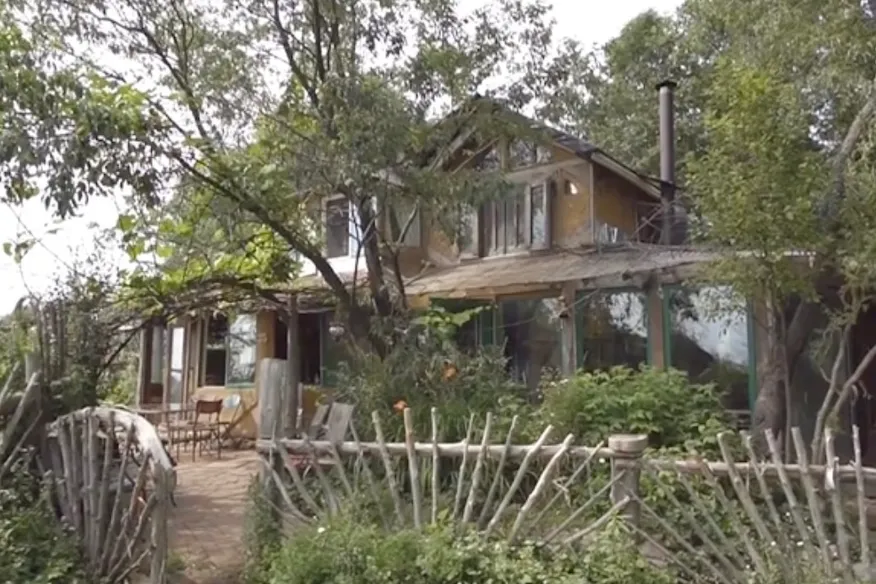
Living independently from municipal utilities in regions with harsh winters presents unique challenges and opportunities. For those considering off-grid homesteading in cold climates, success depends on careful planning, resilient systems, and a willingness to adapt. This article explores the essentials for thriving in remote, snowy environments, from energy and shelter to food production and animal care.
If you’re preparing to leave the grid behind or want to improve your winter resilience, you’ll find practical advice here. For more on making the leap to self-sufficiency, see our guide on transitioning to off-grid life.
Preparing for Winter: Key Considerations for Remote Homesteads
Success in cold-weather self-reliance starts with a realistic assessment of your location, resources, and goals. Before breaking ground, consider:
- Climate data: Know your region’s average lows, snowfall, and wind patterns.
- Access: Ensure year-round entry for supplies and emergencies.
- Water sources: Secure reliable water that won’t freeze or become inaccessible.
- Energy needs: Calculate heating, lighting, and appliance loads for the coldest months.
- Backup plans: Prepare for power outages, road closures, and supply chain delays.
For a step-by-step overview of starting your own sustainable homestead, check out this comprehensive beginner’s roadmap.
Building and Insulating Shelter for Arctic Conditions
The foundation of any homestead in a northern climate is a well-insulated, weatherproof home. Effective shelter design reduces heating costs and increases comfort during long winters.
- Insulation: Use high R-value materials in walls, roofs, and floors. Pay special attention to windows and doors, which are common sources of heat loss.
- Thermal mass: Incorporate materials like stone or concrete to store heat from passive solar gain or wood stoves.
- Air sealing: Prevent drafts by sealing gaps, using weatherstripping, and installing insulated exterior doors.
- Entryways: Consider a mudroom or enclosed porch to buffer cold air and trap snow before it enters living spaces.
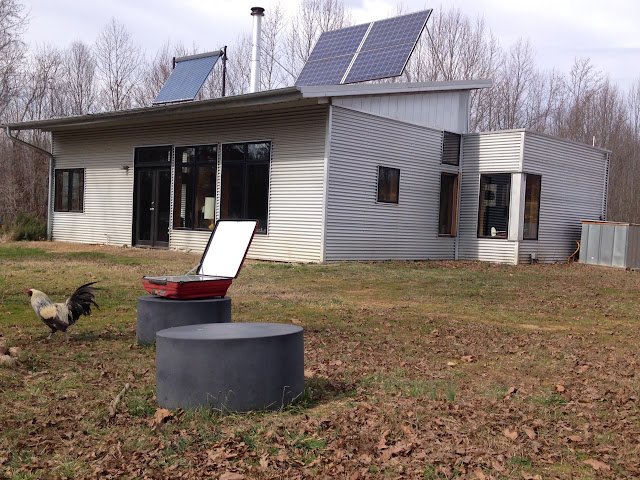
Energy Solutions for Off-Grid Living in Winter
Meeting your energy needs without the grid is more challenging when days are short and temperatures drop. Here are the most reliable approaches:
- Wood heat: A high-efficiency wood stove or masonry heater is a staple for many northern homesteads. Keep a well-stocked, seasoned woodpile and maintain your chimney for safety.
- Solar power: While solar output drops in winter, panels can still contribute—especially if mounted at a steep angle to shed snow. Combine with battery storage for cloudy stretches.
- Backup generators: Propane or diesel generators provide emergency power, but plan for fuel storage and maintenance.
- Wind turbines: In windy regions, turbines can supplement solar and wood, especially during storms.
Energy efficiency is just as important as generation. Use LED lighting, energy-saving appliances, and programmable thermostats to stretch your resources.
Water Systems That Withstand Freezing Temperatures
Reliable water access is critical for health and comfort. In freezing climates, pipes and tanks must be protected from the cold:
- Buried lines: Install water lines below the frost line and insulate exposed sections.
- Heated storage: Use insulated, heated tanks or keep water indoors to prevent freezing.
- Manual backup: Keep hand pumps or gravity-fed systems as a fallback in case of power loss.
- Greywater management: Plan for safe disposal and treatment, especially when outdoor systems are frozen.
Melting snow can provide emergency water, but it should be filtered and purified before use.
Food Production and Storage in Subzero Conditions
Growing and storing food off the grid in winter requires creativity and planning. Here are proven strategies:
- Cold-hardy crops: Kale, spinach, and root vegetables tolerate frost and can be grown in high tunnels or cold frames.
- Indoor gardening: Use grow lights and hydroponic setups to produce greens year-round.
- Root cellars: Take advantage of stable underground temperatures to store potatoes, carrots, and squash.
- Preservation: Canning, dehydrating, and fermenting extend your harvest through the winter.
Raised beds can help extend the growing season by warming soil faster in spring. For a practical solution, consider a raised garden bed to boost productivity.
Livestock Care and Shelter in Harsh Winters
Animals are an important part of many self-sufficient properties, but they need extra protection when temperatures plummet. Consider these tips:
- Insulated coops and barns: Use deep bedding, windbreaks, and draft-free shelters to keep animals warm.
- Heated waterers: Prevent water from freezing with heated buckets or tank de-icers.
- Winter feed: Stockpile hay, grains, and supplements before snow makes deliveries difficult.
- Ventilation: Balance warmth with airflow to prevent respiratory issues from moisture buildup.
Upgrading your chicken coop with automated doors or insulated panels can make winter chores easier and keep your flock healthy.
Staying Connected and Safe While Living Remotely
Isolation can be a challenge during long winters. Modern technology makes it possible to stay in touch and access help when needed. Satellite internet, two-way radios, and solar-powered emergency beacons are all valuable tools. For those working from home, see our guide to remote work off-grid for tips on maintaining connectivity.
Always keep a well-stocked emergency kit, including backup food, water, medications, and first aid supplies. Regularly check in with neighbors or friends, especially during storms or power outages.
Frequently Asked Questions
What is the best way to heat an off-grid home in a cold climate?
The most reliable method is a high-efficiency wood stove or masonry heater, paired with good insulation and air sealing. Supplement with solar or wind power if possible, and keep backup fuel on hand.
How do you keep water from freezing in winter?
Bury water lines below the frost line, insulate exposed pipes, and use heated storage tanks. Keep a manual backup like a hand pump, and consider storing water indoors during the coldest months.
Can you grow food year-round off the grid in snowy regions?
Yes, with planning. Use cold frames, greenhouses, or indoor grow setups for winter greens. Store root vegetables in a cellar, and preserve the summer harvest through canning, drying, or fermenting.
