

Choosing the right amount of land is one of the most important decisions when planning to live independently from public utilities. The ideal acreage for a self-sufficient lifestyle depends on your goals, resources, and the type of homesteading you envision. Whether you want to grow all your own food, raise animals, or simply enjoy a more sustainable way of living, understanding how much land needed for off-grid homestead success is essential.
Many aspiring homesteaders wonder if a few acres are enough, or if they need a sprawling property to meet their needs. The answer varies based on your climate, soil, water access, and the scale of your ambitions. This article explores the key factors that influence land requirements, provides practical acreage guidelines, and helps you determine what’s right for your off-grid journey.
For those interested in sustainable technology and efficient systems, you may also want to explore resources like the electronic product design system integration guide to help optimize your homestead’s infrastructure.
Key Factors That Influence Land Requirements
There’s no universal answer to the question of acreage for living off the grid. Several factors will shape your decision:
- Family Size: The number of people you plan to support will impact your food, water, and shelter needs.
- Food Production Goals: Do you want to grow all your own produce, raise livestock, or supplement with store-bought goods?
- Climate and Soil Quality: Fertile soil and a favorable climate can reduce the land needed for gardening and farming.
- Water Access: Reliable water sources (wells, springs, streams) are essential for both household use and agriculture.
- Energy Generation: Solar, wind, or hydroelectric systems may require additional space for panels or turbines.
- Livestock and Outbuildings: Animals need pasture and shelter; workshops, barns, and storage also take up space.
Understanding these variables will help you estimate how much land needed for off-grid homestead living in your specific situation.
Minimum Acreage for Basic Off-Grid Living
For those seeking a modest, low-maintenance lifestyle, it’s possible to start with a relatively small plot. Here’s a general breakdown:
- 1–2 Acres: Suitable for a small home, a productive garden, a few fruit trees, and perhaps chickens or rabbits. With intensive gardening methods, you can grow a surprising amount of food in this space.
- 3–5 Acres: Offers more flexibility for larger gardens, small orchards, and a few goats or sheep. You’ll have room for outbuildings, composting, and possibly a small pond.
- 5–10 Acres: Ideal for those who want to raise larger livestock (cows, pigs), expand food production, or add renewable energy systems. This size allows for rotational grazing and more privacy.
Keep in mind that the quality of the land is just as important as the quantity. Fertile soil, good drainage, and access to water can make a smaller property more productive than a larger, less suitable one.
Planning for Self-Sufficiency: Food, Water, and Shelter
To determine the right acreage, consider your self-sufficiency goals in three main areas:
Food Production and Gardening
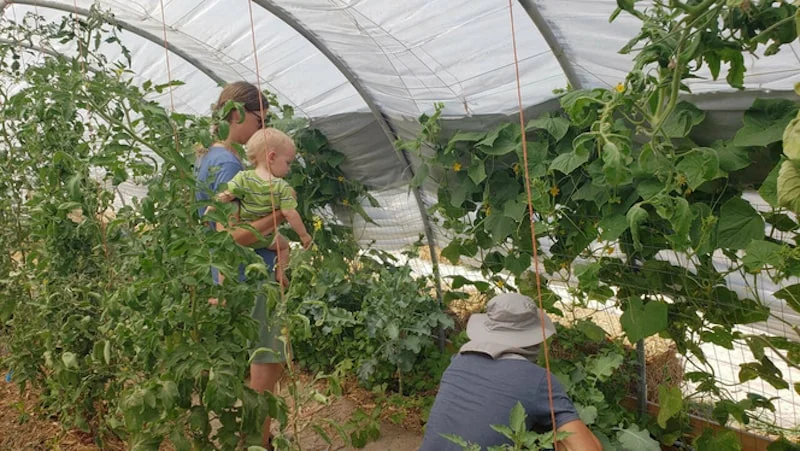
If your aim is to grow most or all of your own food, you’ll need space for annual and perennial crops, fruit trees, and possibly nut trees. Intensive gardening techniques like raised beds, vertical gardening, and permaculture can maximize yields on smaller plots. For example, a family of four can often meet their vegetable needs with 4,000–6,000 square feet of well-managed garden space.
Adding livestock increases land requirements. Chickens and rabbits need minimal space, while goats, sheep, and cows require pasture. Rotational grazing and multi-purpose animals can help you make the most of your acreage.
Water Supply and Management
Reliable water is non-negotiable for off-grid living. Consider the following:
- Wells: Require space for drilling and safe distance from septic systems.
- Ponds or Streams: Useful for irrigation, livestock, and sometimes household use (with proper treatment).
- Rainwater Harvesting: Collection systems can be set up on smaller lots but require storage tanks and gutters.
Check local regulations regarding water rights and usage before purchasing land.
Shelter, Outbuildings, and Energy Systems
Your home, workshops, barns, and storage buildings all require space. Solar panels and wind turbines need clear areas free from shade and obstructions. If you plan to heat with wood, access to forested areas or woodlots is valuable.
Examples of Successful Off-Grid Properties
Real-world examples can help clarify what’s possible on different acreages:
- Urban Homesteads: Some families achieve high levels of self-sufficiency on less than one acre using intensive gardening and small livestock.
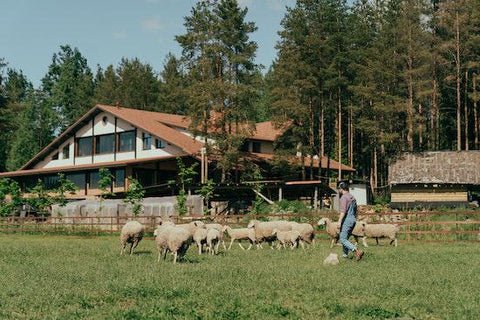
- Suburban and Rural Plots: Properties of 2–5 acres can support gardens, orchards, chickens, and even a few goats or sheep.
- Larger Homesteads: Those with 10+ acres can raise cattle, grow staple crops, and harvest firewood, often producing a surplus for sale or barter.
For more inspiration and a deeper understanding of off-grid living, check out this comprehensive overview of homesteading and off-grid lifestyles.
Legal and Zoning Considerations
Before purchasing land, research local zoning laws, building codes, and restrictions. Some areas have minimum lot sizes, limits on livestock, or rules about water and waste systems. Understanding these regulations will help you avoid costly surprises and ensure your property is suitable for your plans.
Tips for Choosing the Right Property
- Visit Multiple Properties: Walk the land, check the soil, and observe sun exposure and water flow.
- Prioritize Water Access: A reliable source is more valuable than extra acreage without water.
- Evaluate Soil Quality: Fertile, well-drained soil reduces the need for amendments and increases productivity.
- Consider Expansion: If possible, buy a little more land than you think you’ll need to allow for future projects.
- Balance Privacy and Community: Decide how close you want to be to neighbors, services, and markets.
Frequently Asked Questions
Can you live off-grid on just one acre?
Yes, it’s possible to achieve a high level of self-sufficiency on a single acre with careful planning, intensive gardening, and small livestock. However, your ability to raise larger animals or grow staple crops may be limited.
How much land do I need to be fully self-sufficient?
For most families, 2–5 acres is enough to provide food, water, and energy with the right management. If you want to raise larger livestock or grow cash crops, 10 acres or more may be preferable.
What are the most important features to look for in off-grid land?
Reliable water, fertile soil, good sun exposure, and appropriate zoning are the top priorities. Access to resources like wood, wild foods, and building materials can also add value.
Determining how much land needed for off-grid homestead living is a personal decision shaped by your goals, resources, and environment. By considering your needs and researching thoroughly, you can find the right property to support your sustainable lifestyle for years to come.
