


In recent years, wearable technology has become a major trend in both consumer electronics and healthcare. These innovative devices are designed to be worn on the body, offering users a seamless way to track health, stay connected, and interact with digital environments. From smartwatches and fitness trackers to advanced augmented reality headsets, wearables are transforming how people live and work.
As these devices become more integrated into daily life, understanding their definitions, applications, and advantages is increasingly important. This article explores the essentials of body-worn tech, highlighting key examples, benefits, and the technology behind them. For those interested in the reliability and safety of electronic devices, you may also find value in learning how PCBs are tested for reliability in modern electronics.
Understanding the Concept of Wearable Devices
At its core, wearable technology refers to electronic gadgets that are designed to be worn on the body, either as accessories or as part of clothing. These devices typically include sensors and software that collect data, provide feedback, or enable communication. The primary goal is to enhance the user’s experience by offering real-time information or interactive features without the need for handheld devices.
The evolution of wearables has been driven by advances in miniaturization, battery life, and wireless connectivity. As a result, these products have moved beyond simple step counters to include sophisticated health monitors, smart glasses, and even clothing embedded with electronic components.
Popular Types and Examples of Wearable Technology
The world of wearables is diverse, with products catering to different needs and lifestyles. Here are some of the most common categories and examples:
- Smartwatches: Devices like the Apple Watch and Samsung Galaxy Watch offer notifications, fitness tracking, and even the ability to make calls directly from your wrist.
- Fitness Trackers: Brands such as Fitbit and Garmin provide bands that monitor steps, heart rate, sleep patterns, and other health metrics.
- Health Monitors: Wearables like continuous glucose monitors and ECG-enabled devices help users track specific medical conditions.
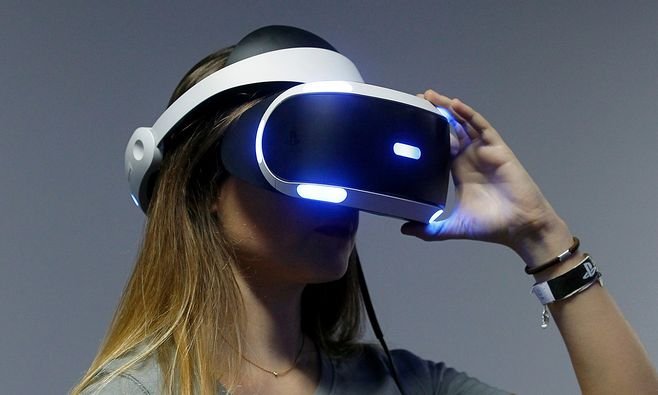
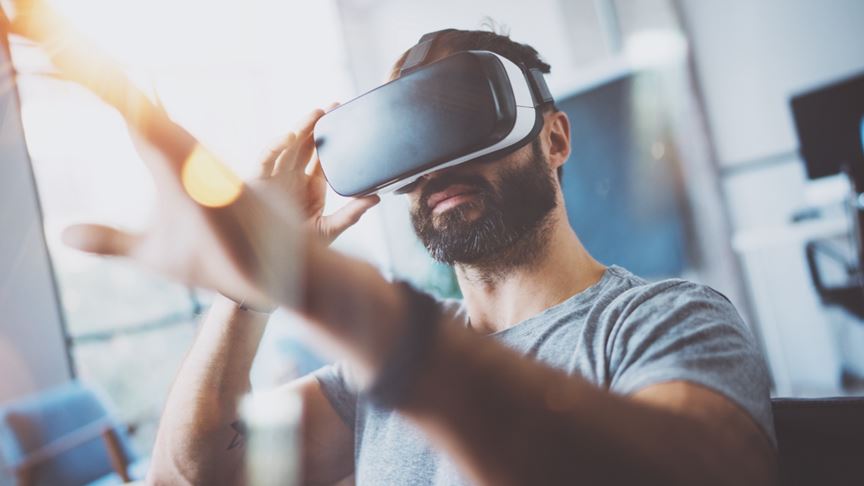
- Smart Glasses: Products like Google Glass and augmented reality headsets overlay digital information onto the real world, enhancing productivity and entertainment.
- Wearable Cameras: Devices such as GoPro cameras can be attached to clothing or helmets to capture hands-free video footage.
- Smart Clothing: Apparel with embedded sensors can track biometric data or adjust to environmental conditions.
How Wearable Tech Works: Key Features and Components
Most wearables rely on a combination of sensors, processors, and wireless connectivity. Common features include:
- Sensors: Accelerometers, gyroscopes, heart rate monitors, and GPS chips collect data about movement, location, and physiological signals.
- Connectivity: Bluetooth, Wi-Fi, and cellular connections allow devices to sync with smartphones or cloud services.
- Displays: Many wearables feature touchscreens or LED indicators for real-time feedback.
- Batteries: Advances in battery technology have enabled longer usage times and more compact designs.
- Software: Apps and operating systems process data and provide insights or notifications to users.
The seamless integration of these components is what makes wearables both powerful and convenient. For a deeper dive into the technical side, resources like the definition and overview of wearable technology from TechTarget offer more technical explanations.
Benefits of Using Wearable Devices
The adoption of wearable tech offers a range of advantages for individuals and organizations alike. Some of the most significant benefits include:
- Health Monitoring: Continuous tracking of vital signs and activity levels empowers users to make informed decisions about their well-being.
- Convenience: Quick access to notifications, calls, and information without needing to reach for a phone.
- Motivation: Fitness trackers and health apps often use gamification and reminders to encourage healthy habits.
- Safety: Some wearables offer fall detection, emergency alerts, or location tracking for vulnerable users.
- Productivity: Smart glasses and AR headsets can provide hands-free access to data and instructions in professional settings.
Challenges and Considerations in Wearable Tech
While the advantages are clear, there are also important challenges to consider:
- Privacy and Security: Wearables collect sensitive personal data, making robust security measures essential.
- Battery Life: Balancing performance with long battery life remains a technical hurdle.
- Compatibility: Not all devices work seamlessly with every smartphone or operating system.
- Cost: Advanced wearables can be expensive, limiting accessibility for some users.
- Durability: Devices worn daily must withstand sweat, water, and impacts.
Manufacturers are continuously working to address these issues, making wearables more secure, affordable, and reliable over time. For those interested in the durability and performance of electronic components, exploring topics like how to prevent PCB warping can provide additional insights into the challenges faced in wearable device engineering.
Future Trends in Body-Worn Electronics
The landscape of wearable technology is rapidly evolving. Some emerging trends include:
- Medical Applications: Wearables are increasingly used for remote patient monitoring and chronic disease management.
- Integration with AI: Artificial intelligence is enabling more personalized health insights and predictive analytics.
- Flexible and Smart Fabrics: Advances in materials science are leading to clothing that can monitor health or adapt to the environment.
- Expanded AR/VR Uses: Augmented and virtual reality wearables are finding applications in training, education, and entertainment.
- Improved Energy Solutions: Research into better batteries and energy harvesting is extending device lifespans.
As these innovations continue, the impact of wearables on society and industry is expected to grow, offering new possibilities for health, productivity, and connectivity.
FAQ
What are the main types of wearable technology?
The primary categories include smartwatches, fitness trackers, health monitors, smart glasses, wearable cameras, and smart clothing. Each serves different purposes, from tracking health metrics to providing augmented reality experiences.
How does wearable tech collect and use data?
Most devices use built-in sensors to gather information such as movement, heart rate, or location. This data is processed by onboard software or synced with mobile apps to provide insights, notifications, or health recommendations.
Are there privacy concerns with wearable devices?
Yes, privacy is a significant concern. Wearables often collect sensitive health and location data, so it’s important to choose devices from reputable brands and review their privacy policies. Using strong passwords and keeping software updated can also help protect your information.
