

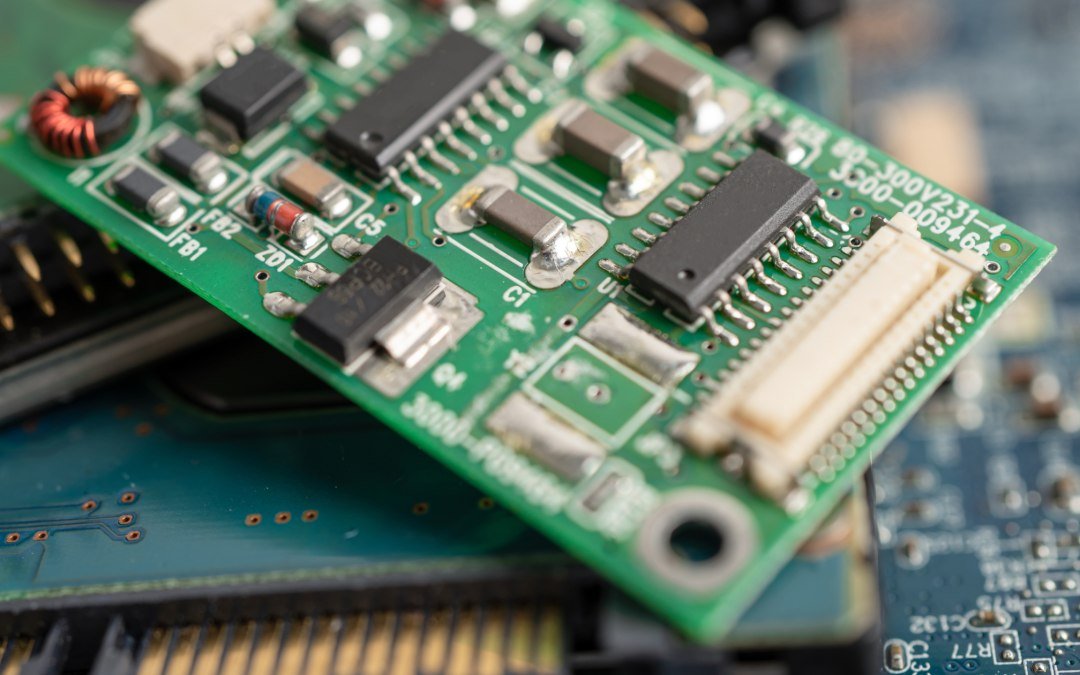
Understanding the concept of quick hardware cycle is crucial in today’s fast-paced technology world. This process allows for efficient testing, modification, and retesting of hardware designs, leading to improved products and faster time to market. But what exactly does this term mean, and why is it so important? In this article, we’ll delve into these questions.
To further understand this process, you may find it helpful to read about designing hardware enclosures.
The Essence of Quick Hardware Cycle
Quick hardware cycle, also known as rapid hardware iteration, involves designing, testing, and modifying hardware in quick succession. This approach allows designers and engineers to identify and fix design flaws early in the development process, reducing costs and speeding up product development.
Importance of Rapid Hardware Iteration
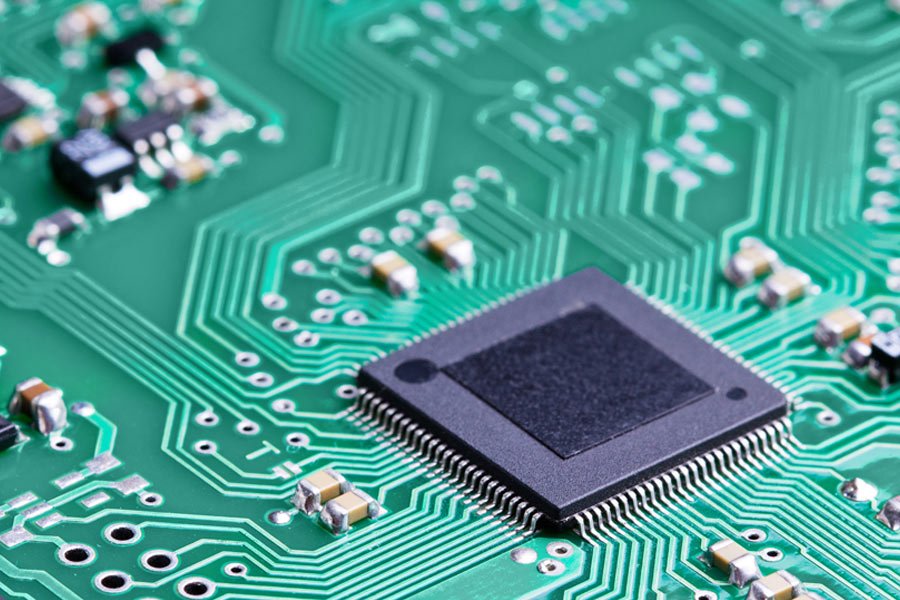
So, why is this process so crucial? Rapid hardware iteration can lead to better product design, lower costs, and faster time to market. It allows for early detection of design flaws, enabling teams to make necessary changes before the product reaches consumers. This can result in a more reliable and high-quality product, ultimately leading to increased customer satisfaction.
Examples of Rapid Hardware Iteration in Action
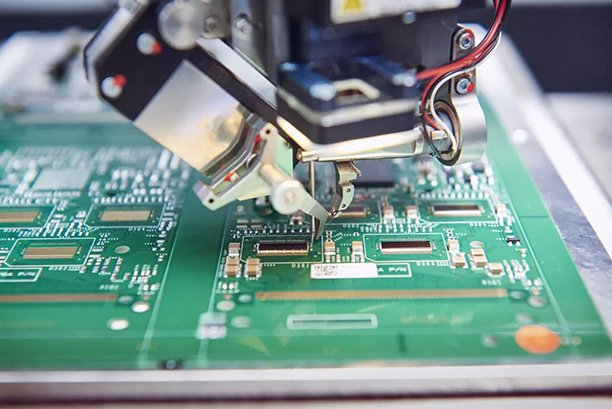
Many successful companies utilize rapid hardware iteration in their product development processes. For instance, tech startups often use this approach to quickly prototype and test new hardware products. You can learn more about this process in startups and small companies by visiting this descriptive anchor text.
Conclusion
In conclusion, rapid hardware iteration plays a vital role in the product development process. It allows for quick identification and correction of design flaws, leading to better products and faster time to market. As technology continues to evolve at a rapid pace, the importance of this process is only expected to grow.
Written by Ethan Carter, published on 2025-10-29.
