


Wearables for chronic disease management have become a transformative force in healthcare, offering new ways for individuals and clinicians to monitor, manage, and improve health outcomes. These devices—ranging from smartwatches to advanced biosensors—enable real-time tracking of vital signs, medication adherence, and daily activity, providing actionable data for people living with long-term conditions such as diabetes, heart disease, and hypertension.
As these technologies evolve, they are reshaping how patients and healthcare providers approach ongoing care. The integration of wearables into daily routines empowers users to take a more active role in their well-being, while clinicians gain valuable insights to tailor interventions and improve disease outcomes. For those interested in the technical aspects of integrating such devices into broader systems, the electronic product design system integration guide offers a deeper look at the engineering and workflow considerations behind these innovations.
Understanding the Role of Wearable Devices in Health Monitoring
Wearable technology in healthcare refers to electronic devices that can be worn on the body to collect and transmit health-related data. These devices have become particularly valuable for individuals managing chronic conditions, as they offer continuous, non-invasive monitoring outside traditional clinical settings.
Common types of wearables include:
- Fitness trackers that monitor steps, heart rate, and sleep patterns
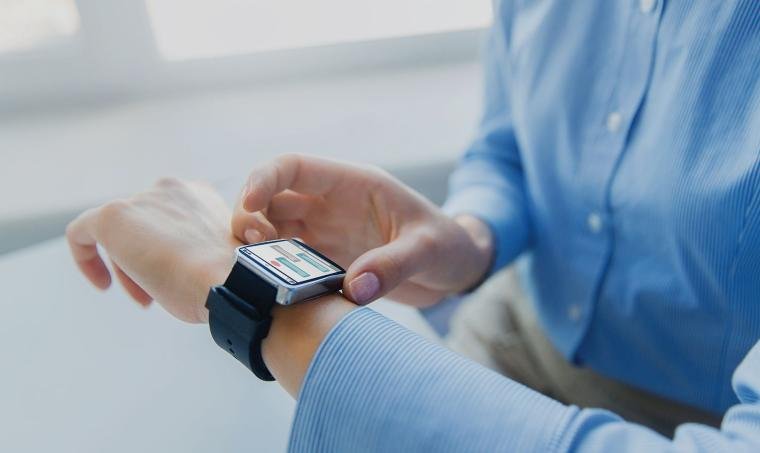
- Smartwatches with ECG, blood oxygen, and activity tracking capabilities
- Continuous glucose monitors (CGMs) for diabetes management
- Blood pressure monitors that sync with smartphones
- Wearable ECG patches for cardiac monitoring
By collecting real-time data, these devices help users and healthcare professionals identify trends, detect anomalies, and make timely decisions about treatment adjustments or lifestyle changes.
Key Benefits of Wearables for Ongoing Disease Control
The adoption of wearables for chronic disease management brings several important advantages for both patients and healthcare systems:
- Continuous monitoring: Wearables provide round-the-clock data, allowing for early detection of potential health issues and proactive intervention.
- Personalized care: Data collected by wearables can be used to tailor treatment plans, medication schedules, and lifestyle recommendations to each individual’s needs.
- Improved adherence: Reminders and alerts help users remember to take medications, check vital signs, or engage in physical activity, supporting better disease control.
- Remote support: Healthcare providers can access patient data remotely, enabling telemedicine and reducing the need for frequent in-person visits.
- Empowerment and engagement: Patients gain a sense of control over their health, which can lead to improved motivation and better long-term outcomes.
These benefits are particularly significant for people managing conditions like diabetes, hypertension, and heart failure, where daily monitoring and timely adjustments are critical.
Popular Wearable Technologies for Chronic Conditions
Several types of wearable devices have proven especially valuable in supporting individuals with long-term health challenges:
- Continuous Glucose Monitors (CGMs): Devices such as the Dexcom G6 and Abbott FreeStyle Libre allow people with diabetes to track glucose levels in real time, reducing the need for fingerstick testing and helping prevent dangerous highs and lows.
- Smartwatches with Advanced Sensors: Modern smartwatches from brands like Apple, Fitbit, and Samsung now offer features such as ECG, blood oxygen saturation (SpO2), and irregular heart rhythm notifications, supporting cardiac and respiratory health.
- Wearable Blood Pressure Monitors: Devices that continuously track blood pressure and sync with mobile apps are valuable for hypertension management, providing trends and alerts for abnormal readings.
- Activity and Sleep Trackers: Monitoring physical activity and sleep quality helps individuals with chronic conditions maintain healthy routines and identify factors that may impact their symptoms.

How Data from Wearables Improves Disease Management
The continuous stream of data generated by wearables is a game-changer for chronic disease care. This information can be shared with healthcare providers, integrated into electronic health records, and analyzed for patterns that inform treatment decisions.
For example, a person with heart failure might use a wearable ECG patch to monitor for arrhythmias. If the device detects an abnormal rhythm, it can alert both the patient and their care team, prompting early intervention and potentially preventing hospitalization. Similarly, people with diabetes can use CGMs to adjust insulin doses in real time, reducing the risk of complications.
The ability to collect and analyze large volumes of health data also supports population health initiatives, enabling researchers and clinicians to identify trends, evaluate interventions, and improve care protocols.
Challenges and Considerations When Using Wearables
While the advantages of wearable technology in chronic disease care are clear, there are important challenges to consider:
- Data privacy and security: Sensitive health information must be protected from unauthorized access and breaches.
- Device accuracy: Not all wearables are created equal; users should choose devices that are clinically validated for their intended purpose.
- User engagement: Long-term adherence to wearing and maintaining devices can be a challenge, especially if the technology is uncomfortable or difficult to use.
- Integration with healthcare systems: Seamless sharing of data between devices, apps, and healthcare providers is essential for maximizing the benefits of wearables.
- Cost and accessibility: Some advanced devices may be expensive or not covered by insurance, limiting access for certain populations.
Addressing these challenges requires collaboration between device manufacturers, healthcare providers, and regulatory bodies to ensure that wearable solutions are safe, effective, and accessible to those who need them most.
Future Trends in Wearable Health Technology
The landscape of wearables for chronic disease management is rapidly evolving, with new technologies and applications emerging each year. Some key trends shaping the future include:
- Integration with artificial intelligence (AI): AI-powered analytics can help interpret wearable data, predict health events, and provide personalized recommendations.
- Expansion of biosensor capabilities: Next-generation wearables are being developed to monitor additional biomarkers, such as hydration, stress hormones, and even early signs of infection.
- Improved comfort and design: Advances in materials and miniaturization are making wearables more comfortable, discreet, and user-friendly.
- Greater interoperability: Efforts are underway to standardize data formats and improve compatibility between devices and healthcare platforms.
For a broader perspective on how wearable technology is advancing across industries, the innovation in wearable technology article offers valuable insights.
FAQ: Common Questions About Wearable Devices for Chronic Illness
How accurate are wearable devices for tracking health data?
Many modern wearables are highly accurate, especially those that have been clinically validated for specific health metrics such as heart rate, ECG, or glucose monitoring. However, accuracy can vary between brands and models, so it is important to consult with a healthcare provider and review device certifications before relying on a wearable for medical decision-making.
Can wearables replace regular doctor visits for chronic disease management?
While wearables provide valuable data and support self-management, they are not a substitute for regular medical care. Instead, they complement traditional healthcare by enabling more informed discussions with providers and supporting early intervention when issues arise.
What should I look for when choosing a wearable for managing a chronic condition?
Consider factors such as clinical validation, ease of use, battery life, comfort, data privacy, and compatibility with your healthcare provider’s systems. It is also helpful to read reviews and consult with your care team to select a device that meets your specific needs.
Conclusion
Wearable technology is playing an increasingly important role in supporting individuals with ongoing health conditions. By enabling continuous monitoring, personalized care, and remote support, these devices are helping to improve quality of life and health outcomes. As the technology continues to advance, wearables will become even more integral to chronic disease care—empowering patients and transforming healthcare delivery.
