

The world of wearable technology has grown rapidly, transforming how people interact with devices in their daily lives. From smartwatches that track your fitness to medical sensors that monitor vital signs, these compact gadgets are making technology more personal and accessible. If you’re new to this field, understanding the basics can help you make informed choices and appreciate the impact of these innovations.
This guide offers a clear overview of what wearables are, how they work, and where they’re heading. Whether you’re curious about the latest smart devices or considering integrating wearables into your routine, you’ll find practical insights here. For those interested in the reliability of electronics in general, you might also want to explore how PCBs are tested for reliability to see how foundational components support these advanced devices.
Understanding the Basics of Wearable Devices
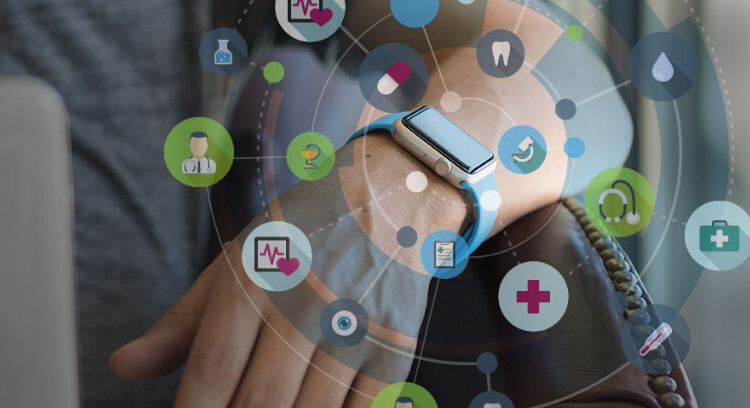
At its core, wearable technology refers to electronic devices designed to be worn on the body. These gadgets often collect data, provide feedback, or enhance daily activities. Common examples include fitness trackers, smartwatches, smart glasses, and even clothing embedded with sensors.
Wearables are typically lightweight, wireless, and designed for comfort. They use sensors to monitor movement, heart rate, temperature, and other metrics, then transmit this data to smartphones or cloud services for analysis. The integration of these devices into everyday life is changing how people approach health, productivity, and entertainment.
Key Types of Wearable Technology
The landscape of wearables is diverse, with new products emerging regularly. Here are some of the most common categories:
- Fitness Trackers: These wristbands or clips monitor steps, calories burned, sleep patterns, and sometimes heart rate. They’re popular for encouraging physical activity and healthy habits.
- Smartwatches: Beyond telling time, these devices offer notifications, GPS navigation, music control, and health tracking. Many can run apps and connect to your phone for calls and messages.
- Medical Wearables: Devices like glucose monitors, ECG patches, and smart hearing aids help patients and healthcare providers track health conditions in real time.
- Smart Clothing: Garments with embedded sensors can track posture, muscle activity, or temperature, often used in sports and rehabilitation.
- Augmented Reality (AR) Glasses: These provide digital overlays on the real world, useful for navigation, training, or entertainment.
How Wearables Work: Sensors, Connectivity, and Data
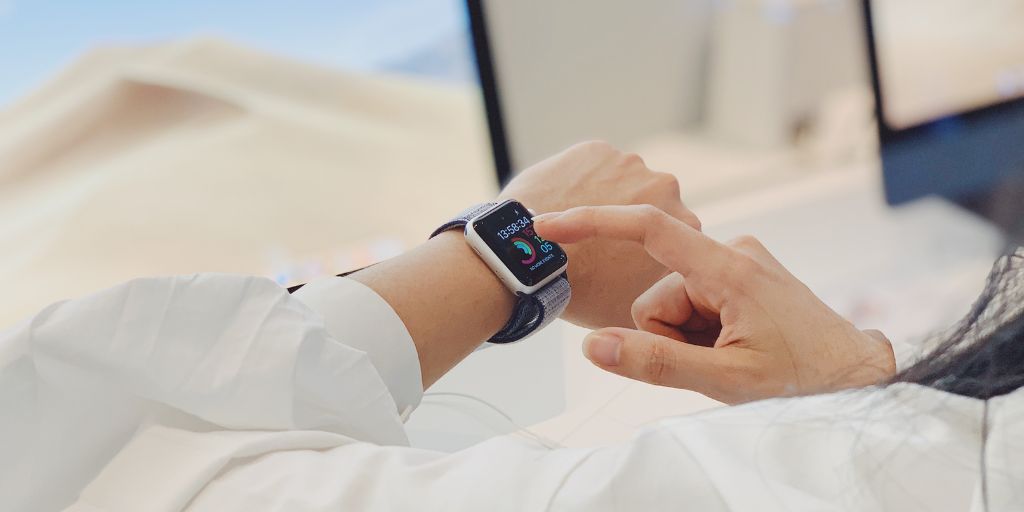
The magic behind wearable technology lies in its combination of sensors, connectivity, and data processing. Most devices use a range of sensors, such as accelerometers, gyroscopes, heart rate monitors, and temperature gauges, to gather information about the wearer or their environment.
Once collected, this data is processed either on the device or sent wirelessly to a smartphone or cloud platform. Bluetooth, Wi-Fi, and sometimes cellular connections enable seamless communication. The resulting information can be displayed on the wearable itself or analyzed in companion apps, giving users actionable insights.
For example, a fitness tracker might use motion sensors to count steps and a heart rate monitor to gauge exercise intensity. The data syncs with your phone, where you can view trends, set goals, and share achievements.
Benefits and Challenges of Modern Wearables
The advantages of these devices are clear: they offer convenience, real-time feedback, and motivation for healthier living. Medical wearables, in particular, can improve patient outcomes by enabling continuous monitoring and early detection of issues.
However, there are also challenges to consider. Privacy and data security are major concerns, as wearables collect sensitive personal information. Battery life, device durability, and interoperability with other tech can also impact the user experience. Manufacturers are continually working to address these issues as the market evolves.
Wearable Technology Explained in Healthcare and Beyond
Healthcare is one of the most promising areas for wearable technology. Devices like smart patches, biosensors, and remote monitoring tools are transforming how doctors and patients manage chronic conditions. According to a recent review on wearable health devices, these innovations are improving early diagnosis, adherence to treatment, and patient engagement.
Beyond health, wearables are making waves in sports, workplace safety, and even entertainment. Smart helmets, for example, can detect impacts and alert emergency contacts, while AR glasses are being used for hands-free training and remote assistance in industrial settings.
Choosing the Right Wearable for Your Needs
Selecting the best device depends on your goals and lifestyle. Here are a few tips to help you decide:
- Define your priorities: Are you focused on fitness, health monitoring, productivity, or entertainment?
- Check compatibility: Make sure the device works with your smartphone or other tech.
- Consider battery life: Some wearables need daily charging, while others last for weeks.
- Review privacy policies: Understand how your data will be used and protected.
- Look for comfort and style: Since you’ll be wearing it often, comfort and aesthetics matter.
If you’re interested in how electronics are manufactured and maintained for reliability, you might also find value in learning about how to prevent PCB warping, as this can affect the longevity and performance of wearable devices.
Trends and the Future of Wearable Devices
The future of wearable technology is bright, with ongoing advancements in miniaturization, battery efficiency, and artificial intelligence. Expect to see more devices that blend seamlessly into clothing, offer advanced health diagnostics, and use machine learning to provide personalized recommendations.
As 5G networks expand and new materials become available, wearables will likely become even more powerful and less obtrusive. The integration of biometric authentication, environmental sensors, and real-time language translation are just a few developments on the horizon.
Frequently Asked Questions
What is wearable technology used for?
Wearables are used for a variety of purposes, including fitness tracking, health monitoring, communication, navigation, and entertainment. They help users stay connected, monitor their well-being, and access information conveniently.
Are wearables safe to use?
Most devices are designed with safety in mind and undergo rigorous testing. However, users should be aware of privacy concerns and ensure their data is protected. It’s also important to follow manufacturer guidelines for proper use.
How do I choose the right wearable device?
Start by identifying your main goals, such as fitness, health, or productivity. Check compatibility with your existing devices, consider battery life and comfort, and review privacy policies before making a purchase.
Can wearables replace traditional medical devices?
While wearables can supplement traditional medical equipment and offer real-time monitoring, they are not always a substitute for professional medical devices or advice. Always consult healthcare professionals for diagnosis and treatment.
