

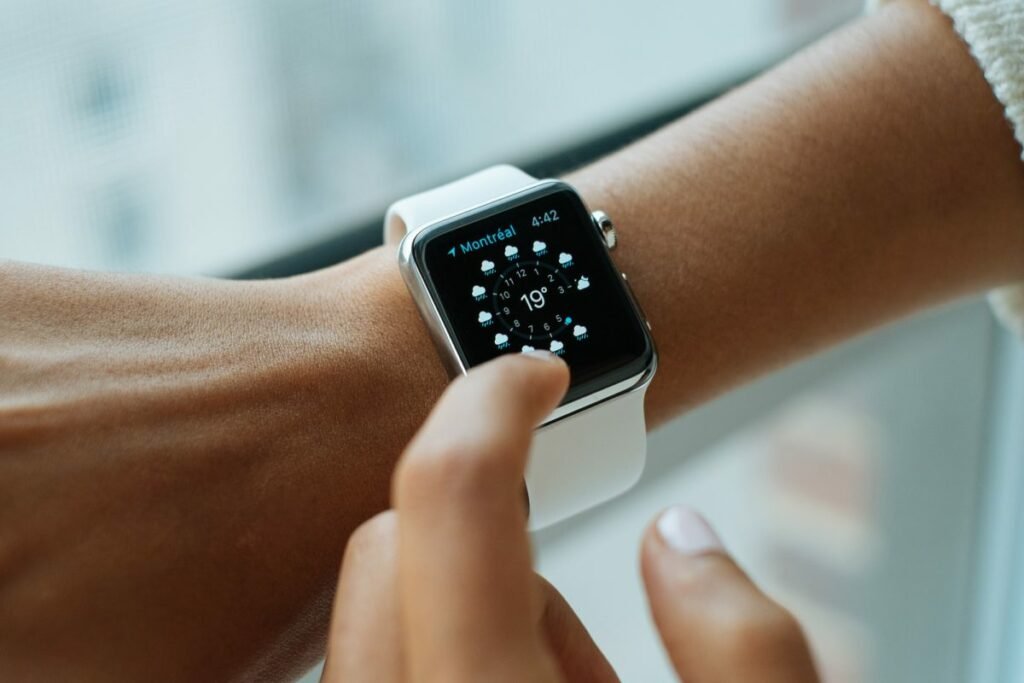
The rapid growth of wearable technology has transformed how people monitor health, interact with devices, and access information on the go. Behind every successful smartwatch, fitness tracker, or smart clothing item is a rigorous process of prototyping that brings innovative concepts to life. Understanding how prototypes are developed for wearables is essential for engineers, designers, and anyone interested in the future of connected devices.
This article provides a comprehensive overview of how prototypes for wearable devices are created, tested, and refined. We’ll explore the stages, tools, and best practices that shape the journey from idea to functional model. For those interested in related technical details, you can also learn more about performance testing wearable devices to see how prototypes are evaluated for reliability and efficiency.
Understanding the Basics of Wearable Device Prototyping
At its core, wearable prototyping involves creating early models of devices that can be worn on the body. These models are used to test ideas, validate features, and identify design challenges before mass production. Unlike traditional electronics, wearables must balance technical performance with comfort, durability, and aesthetics.
The process typically starts with defining the device’s purpose, such as health monitoring, activity tracking, or communication. Designers and engineers then collaborate to translate these requirements into a tangible form, often using sketches, digital mockups, and low-fidelity models.
Key Stages in the Wearable Prototyping Process
Developing a prototype for a wearable device involves several distinct phases. Each stage helps refine the concept and brings it closer to a market-ready product.
- Concept Development: Brainstorming and outlining the device’s core functions, target users, and unique features.
- Design and Modeling: Creating digital or physical representations using CAD software, 3D printing, or simple materials to visualize the device’s shape and ergonomics.
- Component Selection: Choosing sensors, microcontrollers, batteries, and connectivity modules that fit the intended use and form factor. For a deeper dive into hardware, see this guide on wearable hardware components.
- Assembly and Integration: Combining electronic components with enclosures, straps, or textiles to build a working prototype.
- Testing and Iteration: Evaluating the prototype’s performance, comfort, and usability. Feedback from users and stakeholders leads to further improvements.
Materials and Tools Used in Building Prototypes
The choice of materials and tools can greatly influence the speed and effectiveness of the prototyping process. Early-stage models might use foam, cardboard, or clay to quickly test shapes and sizes. As the design matures, 3D-printed enclosures, flexible PCBs, and wearable fabrics become more common.
Essential tools for wearable prototyping include:
- 3D modeling software for designing enclosures and components
- 3D printers for rapid fabrication of custom parts
- Soldering equipment for assembling electronic circuits
- Microcontroller development boards (like Arduino or ESP32)
- Wearable sensors (heart rate, accelerometers, temperature, etc.)
- Textiles and adhesives for integrating electronics into clothing or bands
Selecting the right combination of these resources ensures that prototypes are both functional and wearable, allowing for realistic user testing.
Challenges Unique to Prototyping Wearable Devices
Creating functional models for wearables presents unique hurdles compared to other electronics. Devices must be lightweight, comfortable, and safe for prolonged contact with skin. Power efficiency is critical, as users expect long battery life in a compact form.
Additional challenges include:
- Ensuring durability against sweat, water, and physical impact
- Maintaining wireless connectivity without compromising design
- Integrating sensors and electronics into flexible or curved surfaces
- Complying with health and safety regulations
Addressing these issues early in the prototyping phase helps avoid costly redesigns later on. For those interested in optimizing energy use, the article on low power design for wearable devices provides valuable insights.
Integrating Firmware and Software in Wearable Prototypes
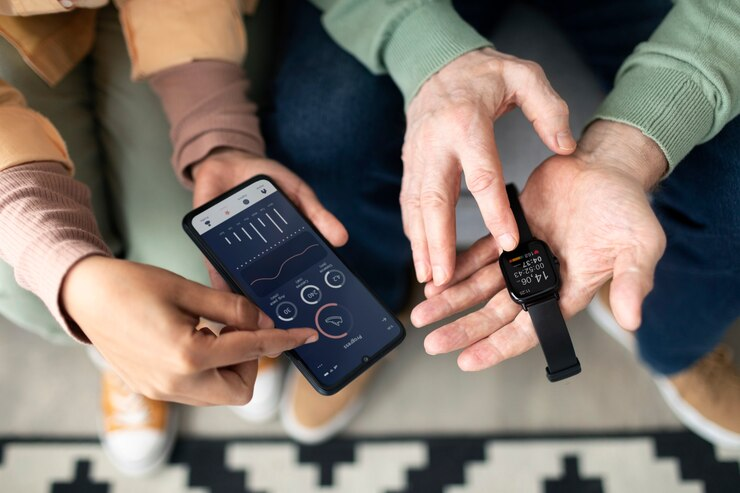
Beyond hardware, wearable prototypes require embedded software (firmware) to process sensor data, manage power, and communicate with other devices. Early firmware development allows teams to test features such as step counting, heart rate monitoring, or Bluetooth connectivity in real-world scenarios.
Developers often use open-source platforms and modular code to accelerate this phase. Testing firmware on actual hardware helps identify bugs and optimize performance. For a closer look at this topic, see the article on wearable firmware explained.
Testing, Feedback, and Iteration in Wearable Prototyping
User testing is a cornerstone of successful wearable development. Early prototypes are worn by real users to gather feedback on comfort, usability, and feature effectiveness. This iterative approach ensures that the final product meets both technical and human needs.
Common testing activities include:
- Assessing fit and comfort during various activities
- Measuring sensor accuracy and responsiveness
- Evaluating battery life under typical usage
- Checking compatibility with companion apps or devices
Feedback from these tests informs design tweaks, software updates, and hardware adjustments. This cycle continues until the prototype achieves the desired balance of performance and user satisfaction.
Emerging Trends in Wearable Prototype Development
As the wearable industry evolves, new trends are shaping how prototypes are designed and tested. Advances in flexible electronics, smart textiles, and miniaturized sensors are enabling more discreet and comfortable devices. Sustainability is also gaining importance, with developers exploring eco-friendly materials and energy-efficient designs.
The use of rapid prototyping tools, such as cloud-based collaboration platforms and AI-driven design assistants, is shortening development cycles and reducing costs. For a foundational overview of the field, the definition of wearable technology provides helpful context.
FAQ: Common Questions About Prototyping Wearable Devices
What are the main steps in creating a wearable prototype?
The process typically includes concept development, design and modeling, selecting components, assembling and integrating hardware, developing firmware, and conducting user testing. Each step helps refine the device to ensure it meets functional and user requirements.
Which materials are best for early-stage wearable prototypes?
Early prototypes often use materials like foam, cardboard, or clay to quickly test shapes and ergonomics. As the design progresses, 3D-printed plastics, flexible PCBs, and wearable textiles are used to create more realistic models for user testing.
How do developers ensure prototypes are comfortable to wear?
Comfort is achieved by carefully considering the device’s weight, shape, and materials. User testing plays a crucial role, as real-world feedback helps identify and resolve issues related to fit, skin irritation, and usability.
Why is power efficiency important in wearable prototypes?
Wearable devices are expected to operate for long periods without frequent charging. Efficient power management extends battery life and improves user satisfaction, making it a key consideration during the prototyping phase.
Conclusion
Prototyping is a vital step in the development of wearable technology, bridging the gap between concept and commercial product. By following a structured process and leveraging the right tools, teams can create devices that are both innovative and practical. As trends continue to evolve, staying informed about best practices in wearable prototyping will help ensure success in this dynamic field.
