

The world of wearable electronic product design basics is rapidly evolving, with smartwatches, fitness trackers, and health monitors becoming part of daily life for millions. Creating these compact, connected devices requires a unique blend of engineering, user experience, and manufacturing know-how. For those new to this field, understanding the foundational principles is essential for developing successful products that are comfortable, reliable, and market-ready.
Whether you’re an entrepreneur, engineer, or designer, learning the essentials of wearable technology development can help you avoid common pitfalls and accelerate your path from concept to prototype. If you’re interested in a detailed step-by-step overview of how prototypes are made, the electronic prototyping process guide offers valuable insights into early-stage development.
Key Considerations in Developing Wearable Devices
Designing a successful wearable device involves more than shrinking down existing electronics. Developers must balance technical requirements with human factors, regulatory standards, and real-world usage scenarios. Here are some critical aspects to consider:
- Comfort and Ergonomics: Devices must be lightweight, unobtrusive, and suitable for long-term wear. Materials should be skin-friendly and resistant to sweat or moisture.
- Power Efficiency: Battery life is a top priority. Efficient circuit design, low-power components, and smart power management strategies are essential for all-day or multi-day operation.
- Connectivity: Most wearables rely on wireless protocols such as Bluetooth Low Energy (BLE) or Wi-Fi. Antenna placement and shielding must be carefully planned to ensure reliable connections without sacrificing form factor.
- Durability: Devices are exposed to movement, impacts, and environmental factors. Robust enclosures and water resistance are often required.
- User Interface: With limited space for screens or buttons, intuitive controls—such as touch, gestures, or voice—are crucial for a positive user experience.
Essential Steps in Wearable Electronics Development
The journey from idea to finished product involves several distinct phases. Each step requires careful planning and cross-disciplinary collaboration to ensure the final device meets user needs and regulatory requirements.
- Requirements Gathering: Define the core functions, target audience, and intended use cases. Early research into competitors and user expectations helps shape the product vision.
- Concept Development: Sketch initial designs, select potential form factors, and identify key features. This stage often includes rough prototypes to test size, fit, and comfort.
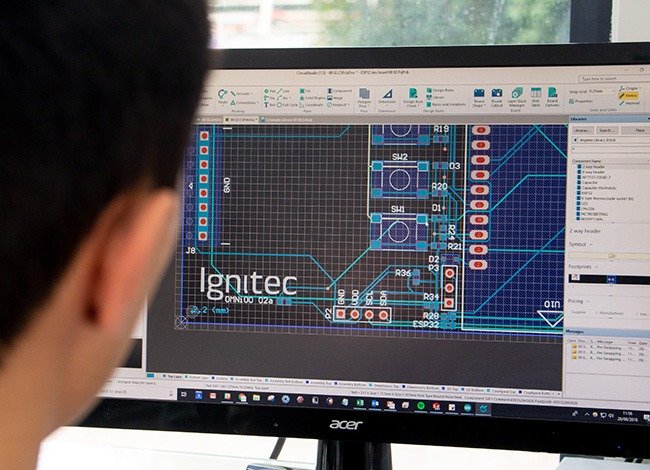
- Electronic Design: Develop the schematic and layout for the printed circuit board (PCB), select sensors and microcontrollers, and plan for power management. For a deeper dive into the full process, the electronic product design process steps article provides a comprehensive overview.
- Firmware and Software: Write code to control sensors, manage connectivity, and handle user input. Efficient firmware is vital for battery life and responsiveness.
- Prototyping and Testing: Build functional models to validate hardware, software, and ergonomics. Testing includes both lab and real-world scenarios to uncover issues early.
- Certification and Compliance: Ensure the device meets relevant safety, wireless, and health standards. This may involve FCC, CE, or medical device certifications, depending on the application.
- Manufacturing and Scaling: Finalize the design for mass production, considering assembly, quality control, and supply chain logistics.

Hardware and PCB Design for Wearables
One of the most challenging aspects of wearable technology is fitting complex electronics into a small, comfortable package. The PCB must be compact, energy-efficient, and robust enough to withstand daily use. Key considerations include:
- Component Selection: Choose low-profile, low-power components that fit the device’s size constraints and battery requirements.
- Thermal Management: Even small devices can generate heat. Proper layout and material choices help dissipate heat safely.
- Flexible and Rigid-Flex PCBs: Many wearables use flexible circuits to conform to the body or fit within curved enclosures.
- Shielding and Noise Reduction: Minimize electromagnetic interference (EMI) to ensure accurate sensor readings and stable wireless connections.
For a detailed explanation of the electronics design process, including best practices for PCB layout, this comprehensive guide to electronics design services and the design process is a helpful resource.

Software, Connectivity, and User Experience
The software running on wearable devices is just as important as the hardware. Efficient code ensures smooth operation and long battery life. Connectivity features, such as Bluetooth or Wi-Fi, allow the device to sync with smartphones or cloud services.
- Firmware Optimization: Streamline code to minimize power consumption and maximize responsiveness.
- App Integration: Many wearables rely on companion apps for setup, data visualization, and updates. Seamless integration enhances the overall experience.
- Security and Privacy: Protecting user data is critical, especially for health-related devices. Implement robust encryption and authentication measures.
- Accessibility: Design interfaces that are usable by people with a wide range of abilities, considering factors like font size, color contrast, and alternative input methods.
Prototyping and Iterative Testing
Early and frequent prototyping is essential in wearable development. By creating functional models, teams can quickly identify and address issues related to fit, comfort, and usability. Iterative testing with real users provides feedback that guides refinements in both hardware and software.
For those seeking a broader understanding of how embedded technology fits into product development, the embedded systems product design services explained article covers integration strategies and best practices.
Manufacturing, Compliance, and Scaling Up
Once the design is finalized, attention shifts to manufacturing and compliance. Wearables must meet strict standards for safety, wireless performance, and—if applicable—medical regulations. Planning for mass production involves selecting manufacturing partners, establishing quality control processes, and ensuring a reliable supply chain.
Partnering with experienced design and manufacturing teams can help navigate these complexities. For a clear overview of the value these services provide, see the benefits of electronic product design services resource.
Frequently Asked Questions
What are the biggest challenges in wearable technology development?
The main challenges include balancing size and battery life, ensuring comfort for long-term wear, achieving reliable wireless connectivity, and meeting regulatory standards. Each of these factors requires careful planning and cross-functional collaboration.
How do you ensure a wearable device is comfortable and safe?
Comfort is achieved through ergonomic design, lightweight materials, and thorough user testing. Safety involves selecting skin-friendly materials, ensuring electrical safety, and complying with relevant certifications.
Why is prototyping important in wearable device design?
Prototyping allows teams to test ideas quickly, gather user feedback, and identify issues early in the process. This iterative approach reduces the risk of costly mistakes and helps deliver a product that meets user needs and expectations.
Where can I learn more about the electronics design process?
For a step-by-step breakdown of the design process, the electronic product design process steps article is a valuable resource.
