


As smartwatches become more integrated into daily life, understanding what powers these devices is essential for both consumers and professionals. Wear OS explained is a topic of growing interest as more people look to leverage wearable technology for health, productivity, and convenience. This guide breaks down the core features, unique advantages, and practical scenarios where Google’s smartwatch platform stands out.
Whether you’re considering your first smartwatch or seeking to optimize your current device, knowing how Wear OS works can help you make informed decisions. We’ll also touch on how this platform compares to other wearable operating systems and highlight key considerations for developers and users alike.
For those interested in the technical side of wearables, understanding the difference between firmware and software in wearables can provide valuable context for how platforms like Wear OS operate under the hood.
What Is Wear OS? A Smartwatch Platform Overview
Developed by Google, Wear OS is an operating system designed specifically for wearable devices such as smartwatches. Formerly known as Android Wear, it brings the power of Android to your wrist, enabling a wide range of applications and integrations. The platform supports a variety of hardware from brands like Fossil, Samsung, and Mobvoi, making it a versatile choice for users who want flexibility and familiarity.
The system is built on the Android framework, allowing developers to create apps that sync seamlessly with Android smartphones. This integration is a key reason why Wear OS remains popular among Android users. The platform also supports Google Assistant, Google Pay, and a host of fitness tracking features, making it suitable for both productivity and wellness applications.
Key Features That Set Wear OS Apart
When it comes to Wear OS explained, understanding its standout features is crucial. Here are some of the most notable capabilities:
- Customizable Watch Faces: Users can personalize their smartwatch with a wide range of watch faces, including interactive and animated options.
- Google Assistant Integration: Voice commands, reminders, and smart home controls are accessible directly from your wrist.
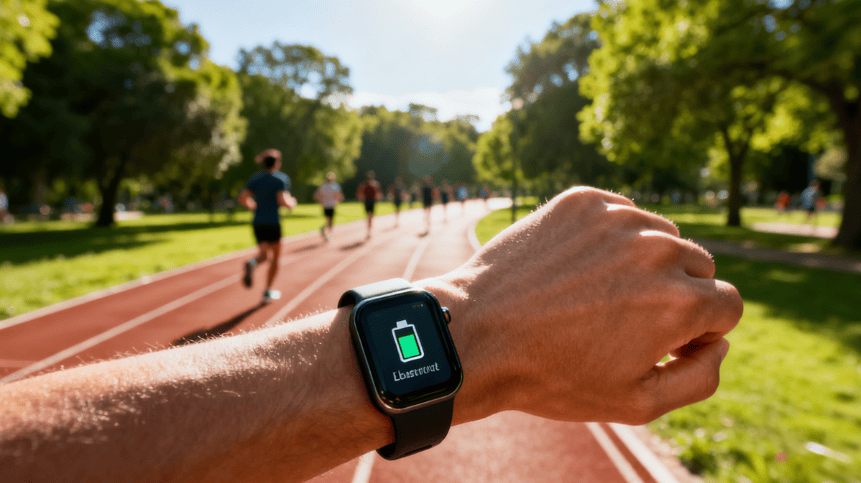
- Fitness and Health Tracking: Built-in sensors track steps, heart rate, sleep, and more. Integration with Google Fit and third-party apps enhances health monitoring.
- Notifications and Messaging: Receive, read, and respond to messages, emails, and app alerts without reaching for your phone.
- Contactless Payments: Google Pay support allows for secure, on-the-go payments.
- App Ecosystem: Access to the Google Play Store means users can install a variety of apps tailored for wearables.
- Navigation and Maps: Turn-by-turn directions and location-based reminders are available via Google Maps.
These features combine to create a flexible platform that adapts to different lifestyles and needs, from fitness enthusiasts to busy professionals.
Benefits of Choosing Wear OS for Your Smartwatch
Selecting a smartwatch platform is about more than just features—it’s about how those features fit into your daily routine. Here are some of the main advantages of Wear OS:
- Cross-Device Compatibility: Works with a wide range of Android smartphones and, in many cases, iPhones.
- Regular Updates: Google frequently updates Wear OS, adding new features and security enhancements.
- Third-Party App Support: The open ecosystem encourages innovation and a broad selection of apps.
- Personalization: From watch faces to widgets, users can tailor their experience.
- Integration with Google Services: Seamless access to Google Calendar, Gmail, Maps, and more.
For those interested in the technical aspects of wearable devices, topics like wearable firmware explained and low power design for wearable devices are worth exploring, as they play a significant role in device performance and battery life.
Popular Use Cases for Wear OS Devices
The versatility of Wear OS means it can be used in a variety of scenarios. Here are some of the most common ways people leverage this platform:
- Health and Fitness: Track workouts, monitor heart rate, and log sleep patterns. Many users rely on their smartwatch for daily activity goals and health insights.
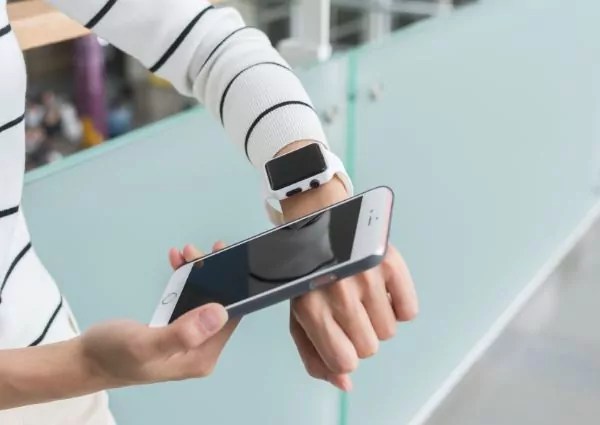
- Productivity: Stay on top of emails, calendar events, and reminders without needing to check your phone constantly.
- Travel and Navigation: Use turn-by-turn directions, check flight updates, and translate languages on the go.
- Contactless Payments: Make purchases quickly and securely with Google Pay at supported retailers.
- Smart Home Control: Manage connected devices like lights, thermostats, and security systems from your wrist.
In healthcare, Wear OS is increasingly used for patient monitoring and remote health management. For more on the science behind wearable technology, see this in-depth explanation of how wearable technology works.
Wear OS in the Context of the Wearable Ecosystem
Google’s platform is just one part of a broader wearable technology landscape. Competing systems like Apple’s watchOS and Samsung’s Tizen offer their own unique features and integrations. Wear OS stands out for its openness, compatibility with multiple hardware brands, and deep integration with Google services.
For organizations and developers, understanding Wear OS explained is crucial for building apps that leverage its capabilities. Testing and optimization are essential, and resources like performance testing wearable devices provide guidance on ensuring a smooth user experience.
Challenges and Considerations
While Wear OS offers many advantages, there are some challenges to consider:
- Battery Life: Feature-rich devices can consume more power, though improvements in hardware and software are addressing this issue.
- App Optimization: Not all Android apps are optimized for wearables, which can affect usability.
- Fragmentation: The variety of hardware partners means experiences can vary between devices.
- Regulatory Compliance: For medical and health-related applications, understanding FDA approval for wearable devices is essential.
Despite these challenges, the platform continues to evolve, with Google and its partners investing in updates and new features to enhance the user experience.
FAQ
What devices support Wear OS?
Wear OS is available on a wide range of smartwatches from brands like Fossil, TicWatch, and Samsung. The platform is compatible with most Android smartphones and, with limited functionality, iPhones.
How does Wear OS compare to other smartwatch platforms?
Compared to alternatives like Apple’s watchOS and Samsung’s Tizen, Wear OS offers broader hardware compatibility and deep integration with Google services. Its open ecosystem allows for more customization and a wider selection of third-party apps.
Can Wear OS smartwatches be used for health monitoring?
Yes, most Wear OS devices include sensors for tracking steps, heart rate, sleep, and workouts. Many models support advanced health features and can sync data with Google Fit and other health apps.
Is Wear OS secure for payments and sensitive data?
Google Pay on Wear OS uses industry-standard encryption and security protocols. Users should always keep their devices updated and use screen locks or authentication features for added protection.
Are software updates available for all Wear OS devices?
Google regularly releases updates, but availability can depend on the device manufacturer and model. It’s recommended to check with your device’s support page for the latest information.
