

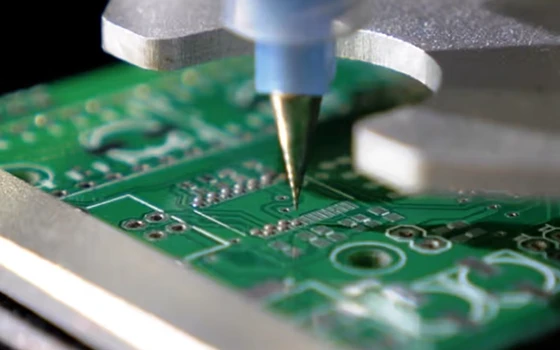
Hardware interfaces are a critical component of any electronic device. They serve as the bridge between the user and the device, allowing for communication and interaction. In this article, we delve into the intricacies of these interfaces and explore the various aspects of connectivity.
For a more in-depth look at the design aspects of hardware, you may find it useful to read about the importance of tolerances in hardware design.
Exploring the Basics of Hardware Interfaces

A hardware interface is essentially a shared boundary across which two components of a computer system exchange information. The exchange can be between software and hardware, computer and peripheral devices, or between components inside the computer.
Understanding Connectivity in Hardware Interfaces
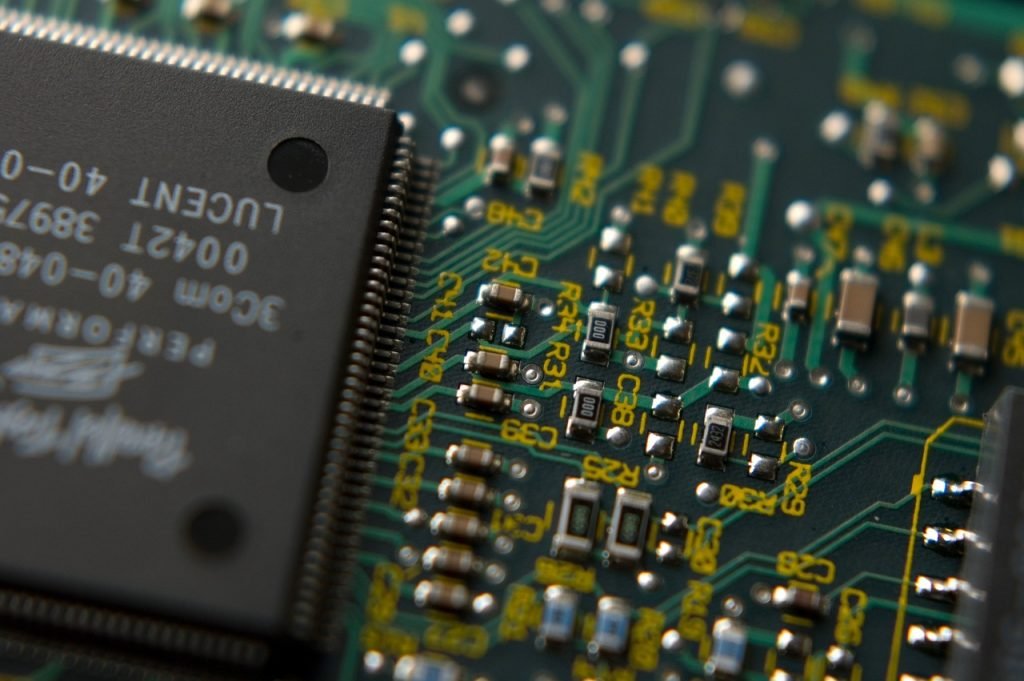
Connectivity in the context of hardware interfaces refers to the ability of a device to connect with others. This could be through wired connections such as USB or HDMI, or wireless connections like Bluetooth or Wi-Fi.
For more detailed information on hardware prototypes and their validation, you can visit this descriptive anchor text.
By grasping these concepts, you can better understand the workings of your electronic devices and even troubleshoot some common issues. Stay tuned for more insightful articles on hardware design and its various aspects.
