


When considering the implementation of rugged systems, it’s crucial to understand the total cost of ownership (TCO). This concept goes beyond the initial purchase price, encompassing all costs associated with the system over its entire lifecycle. Understanding TCO is vital for businesses, especially those in industries like export and import, where reliability and durability can significantly impact operational success.

What Are Rugged Systems?
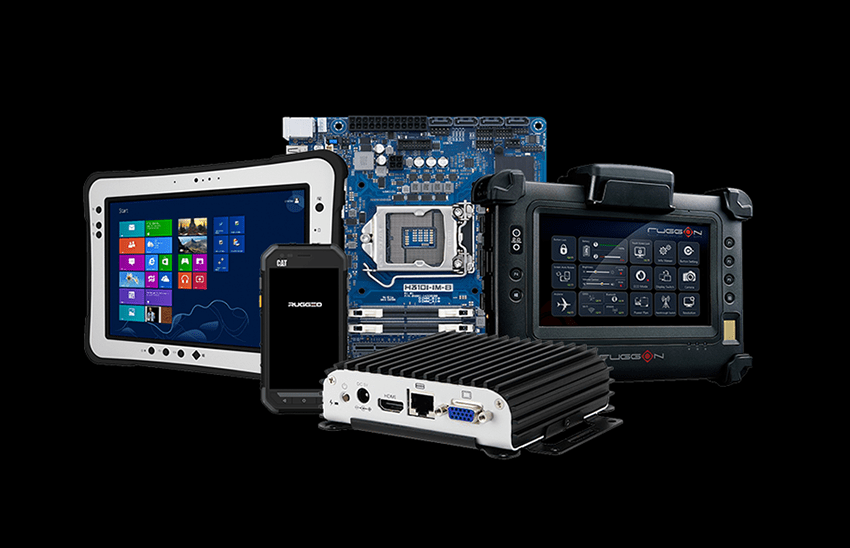
Rugged systems are designed to withstand harsh conditions that typical commercial systems cannot endure. These systems are used in environments where extreme temperatures, vibrations, and moisture are present, ensuring continuous operation under stress.
Key Features of Rugged Systems
Rugged systems boast features like shock resistance, water and dust protection, and enhanced durability. These attributes make them ideal for sectors like logistics, transportation, and military applications.
Initial Costs vs. Long-term Savings
While the upfront costs of acquiring rugged systems can be higher than standard equipment, the long-term savings are significant. The durability and reduced risk of failure lead to fewer replacements and repairs, ultimately lowering operational costs.
Cost-benefit Analysis
Conducting a cost-benefit analysis helps businesses understand the financial implications of investing in rugged systems. This involves comparing the initial purchase price with potential savings from reduced downtime and maintenance costs. You can explore more about the advantages in our Rugged Electronics article.
Impact on Productivity
Rugged systems contribute to higher productivity levels by minimizing downtime. Their reliability ensures that operations continue smoothly, even in challenging environments, which is crucial for industries relying on timely deliveries and efficient supply chains.
Efficiency in Harsh Environments
In environments where standard equipment may fail, rugged systems maintain performance, thus ensuring that businesses meet their operational targets without interruptions.
Maintenance and Repair Costs
One of the most significant advantages of rugged systems is their reduced need for maintenance and repair. This aspect greatly contributes to lowering the TCO, as frequent repairs can add up quickly.
Longevity and Reliability
Due to their robust design, rugged systems have a longer lifespan compared to conventional systems, further decreasing the need for frequent replacements. For more insights, visit our Case Studies page.
Technological Advancements
Advancements in technology continually enhance the capabilities of rugged systems. These improvements lead to even greater cost savings and efficiencies, making rugged systems a sound investment for future-proofing operations.
Integration with Modern Technologies
Modern rugged systems can integrate with the latest technologies, offering features like IoT connectivity and enhanced processing power, which further boosts their value proposition.
Environmental and Compliance Factors
Rugged systems often meet specific environmental and compliance standards, making them suitable for use in regulated industries. This compliance ensures that businesses avoid potential fines and regulatory issues.
Adherence to Standards
By adhering to industry standards, rugged systems ensure that businesses remain compliant with regulations, which is especially important in sectors like healthcare and defense. Learn more about industry compliance in our Hazardous Area Electronics article.
Return on Investment (ROI) Considerations
The return on investment for rugged systems can be substantial, considering the savings in maintenance, reduced downtime, and increased productivity. A thorough evaluation of ROI helps businesses make informed decisions about their investments.
Maximizing ROI
Businesses can maximize their ROI by choosing systems that not only meet their current needs but also offer scalability for future growth. For more ROI insights, check out this external resource.
Conclusion
In conclusion, understanding the total cost of ownership of rugged systems is essential for businesses looking to enhance their operational efficiency and reliability. By considering all aspects of TCO, businesses can make strategic investments that deliver long-term benefits.
FAQs
What factors contribute to the TCO of rugged systems?
The TCO includes initial purchase costs, maintenance and repair expenses, and potential savings from increased productivity and reduced downtime.
Are rugged systems worth the investment?
Yes, despite higher upfront costs, the long-term savings and increased reliability make them a worthwhile investment for many businesses.
How do rugged systems improve productivity?
Rugged systems ensure continuous operation in harsh environments, reducing downtime and maintaining productivity levels.
