


Hardware debugging can be a complex and challenging process. However, with the right approach and techniques, you can efficiently identify and fix issues in your hardware systems. This article provides valuable insights and strategies to enhance your hardware debugging skills.
Before diving into the specifics, it’s worth mentioning the importance of understanding the difference between hardware emulation and simulation.
Understanding the Basics of Hardware Debugging
Hardware debugging involves identifying and resolving issues in a hardware system. It requires a deep understanding of the system’s architecture and functionality. The process often involves testing individual components, checking for compatibility issues, and analyzing system performance under different conditions.

Effective Strategies for Debugging Hardware
There are several strategies that can be employed to debug hardware effectively. These include systematic testing, using specialized debugging tools, and adopting a methodical approach to problem-solving.
The Role of Rapid Prototyping in Debugging
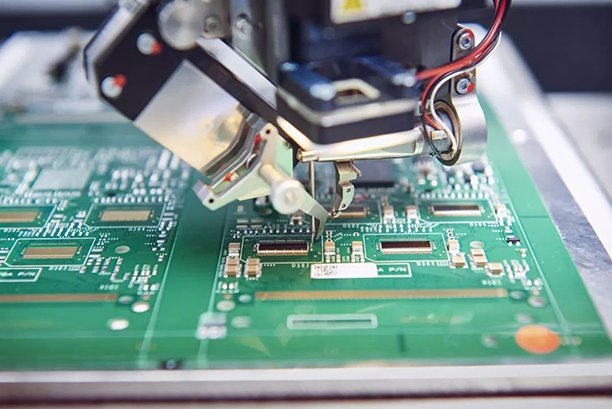
Rapid prototyping is a valuable tool in the debugging process. By creating a working model of the hardware system, you can identify potential issues early in the development cycle. This approach allows for quicker iterations and reduces the time and resources spent on debugging. Learn more about the benefits of rapid prototyping in hardware innovation on this external resource.
In conclusion, hardware debugging is a critical aspect of hardware development. By understanding the basics and employing effective strategies, you can significantly improve your debugging skills and enhance the performance and reliability of your hardware systems.
Written by Ethan Carter on October 30, 2025
