

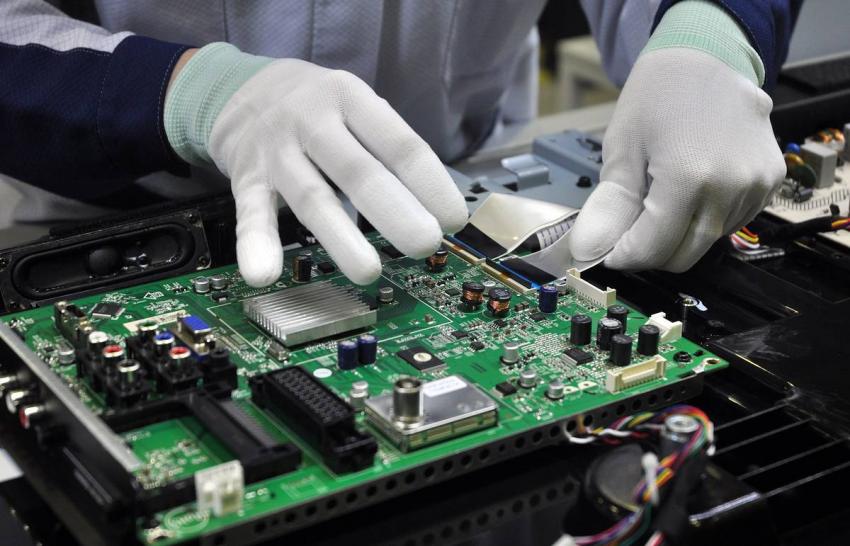
In today’s rapidly evolving world, the concept of sustainability in turnkey electronics manufacturing has emerged as a crucial topic. As the demand for electronics continues to rise, the need for sustainable practices in manufacturing is becoming more urgent. The goal is to create electronic products that not only meet consumer demands but also minimize environmental impact. This article explores various aspects of sustainability in the context of turnkey electronics manufacturing, addressing the challenges and opportunities it presents.

Understanding Turnkey Electronics Manufacturing
Before delving into sustainability, it’s important to understand what turnkey electronics manufacturing entails. In this context, ‘turnkey’ refers to a comprehensive approach where a single provider manages all aspects of product development, from design and prototyping to production and assembly. This approach streamlines the manufacturing process, potentially reducing costs and time-to-market.
The Importance of Sustainability
The electronics industry is known for its significant environmental impact, including energy consumption, waste generation, and the use of hazardous materials. Incorporating sustainable practices in turnkey electronics manufacturing is essential to mitigate these effects. By adopting eco-friendly methods, companies can reduce their carbon footprint, conserve resources, and contribute to a healthier planet.
Benefits of Sustainable Manufacturing
- Reduction in waste and pollution
- Conservation of natural resources
- Enhanced brand reputation
- Compliance with environmental regulations
- Long-term cost savings
Challenges in Implementing Sustainable Practices
Despite the benefits, implementing sustainability in turnkey electronics manufacturing is not without challenges. These include:
Cost Implications
Adopting sustainable practices often requires significant initial investment. However, the long-term savings and benefits can outweigh these costs. Companies need to consider the potential return on investment when transitioning to sustainable methods.
Technological Advancements
Keeping up with technological advancements is crucial for manufacturers aiming to implement sustainable practices. Innovations in materials, energy-efficient processes, and waste management systems can enhance sustainability efforts.
Strategies for Achieving Sustainability
Several strategies can help companies achieve sustainability in turnkey electronics manufacturing:
Eco-friendly Design
Designing products with sustainability in mind is a key step. This includes using recyclable materials, minimizing energy consumption, and ensuring products have a longer lifespan.
Efficient Resource Management
Efficient use of resources, such as water and energy, is essential. Implementing energy-efficient technologies and processes can significantly reduce the environmental impact.
Waste Reduction and Recycling
Minimizing waste through recycling and reusing materials is integral to sustainability. Companies should establish effective waste management systems to handle electronic waste responsibly.
Collaboration and Partnerships
Collaboration with suppliers, customers, and other stakeholders can drive sustainability efforts. Sharing knowledge and resources can lead to innovative solutions for reducing environmental impact.
Case Studies: Successful Implementation
Several companies have successfully implemented sustainable practices in turnkey electronics manufacturing. For instance, some have adopted design for excellence (DFX) methods to enhance product efficiency and reduce waste. Others have focused on renewable energy sources to power their manufacturing facilities.
The Future of Sustainability in Electronics Manufacturing
The future of sustainability in electronics manufacturing looks promising. As more companies recognize the importance of eco-friendly practices, the industry is likely to see increased innovation and collaboration. The integration of advanced technologies and sustainable methods will play a pivotal role in shaping the future of electronics manufacturing.

Conclusion: Embracing a Sustainable Future
In conclusion, sustainability in turnkey electronics manufacturing is not just a trend but a necessity. By adopting sustainable practices, companies can contribute to a greener future while maintaining profitability. It requires a concerted effort from all stakeholders to embrace sustainability and ensure a better world for future generations.
FAQs
- What is turnkey electronics manufacturing?
Turnkey electronics manufacturing refers to a comprehensive approach where a single provider manages all aspects of product development, from design to production and assembly. - Why is sustainability important in electronics manufacturing?
Sustainability is important to reduce environmental impact, conserve resources, and ensure compliance with regulations while maintaining profitability. - What are some strategies for achieving sustainability?
Strategies include eco-friendly design, efficient resource management, waste reduction, recycling, and collaboration with stakeholders.
For more insights on sustainable manufacturing practices, visit this external resource.
