

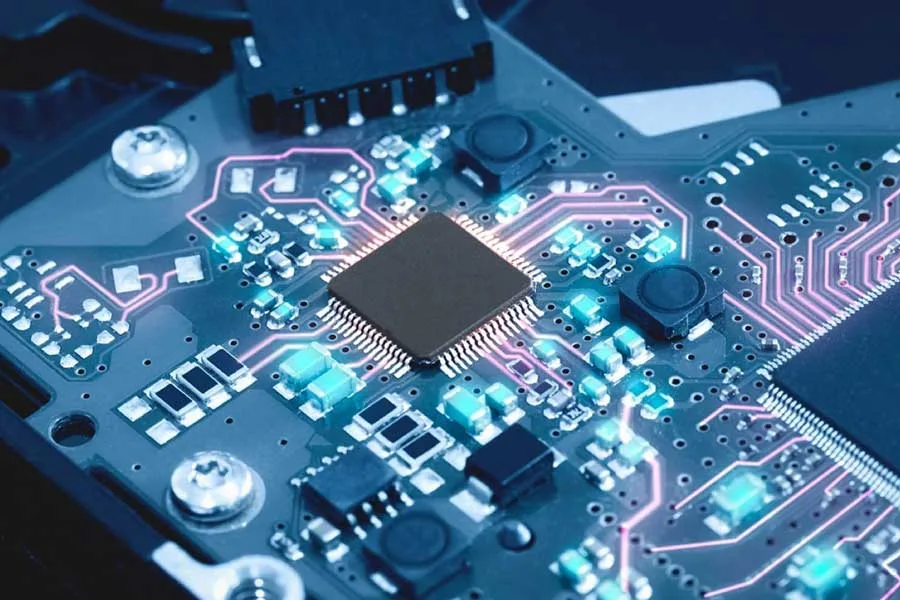
In the world of electronics, understanding the steps in turnkey electronics manufacturing is crucial for exporters and importers alike. The process is designed to streamline production, reduce costs, and enhance product quality. It is an efficient approach for companies looking to bring their electronic products to market swiftly and effectively.
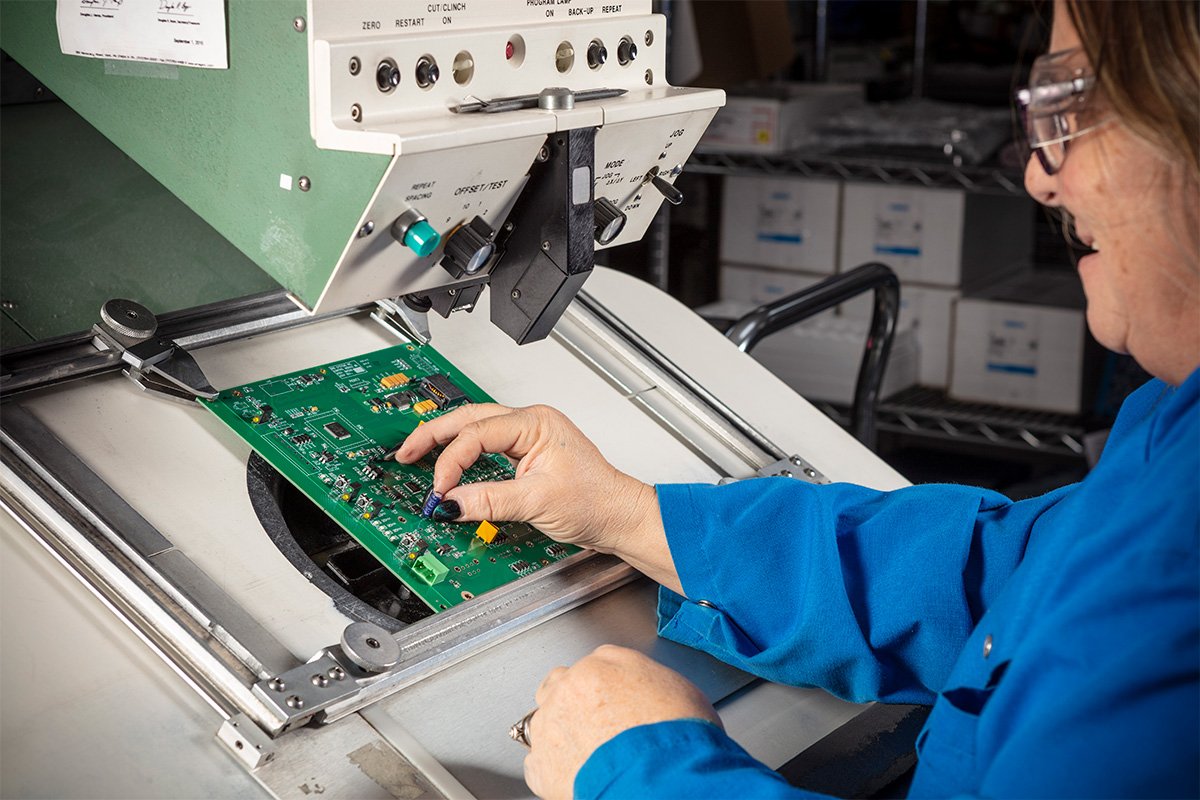
What is Turnkey Electronics Manufacturing?
Turnkey electronics manufacturing refers to a comprehensive process where a single company manages all phases of production, from design to delivery. This includes procurement of parts, manufacturing, testing, and even shipping. It allows businesses to focus on marketing and sales while the manufacturing partner handles the rest.
The Importance of Turnkey Manufacturing
The importance of this approach lies in its ability to provide a seamless production experience. By outsourcing to a reliable manufacturer, businesses can save time and resources. Moreover, it ensures high-quality standards as the manufacturer oversees every aspect of production.
1. Initial Design and Concept
The first step in the steps in turnkey electronics manufacturing is the design phase. This involves conceptualizing the product and creating detailed plans and specifications. This phase is critical as it lays the groundwork for the entire manufacturing process.
2. Selecting a Manufacturing Partner
Choosing the right manufacturing partner is crucial. They should have a proven track record in delivering high-quality electronic products. A good partner will offer expertise, reliability, and comprehensive services that cover all stages of production.
3. Sourcing Components
Once the design is finalized, the next step is sourcing the necessary components. The manufacturer will procure all parts needed for production, ensuring they meet quality standards and are cost-effective.
4. PCB Assembly
The Printed Circuit Board (PCB) assembly is a vital step in the manufacturing process. This involves placing electronic components on the PCB and soldering them in place. It requires precision and expertise to ensure the functionality of the final product.
5. Prototype Development
Before full-scale production, a prototype is developed. This allows for testing and validation of the design. Any necessary adjustments are made at this stage to ensure the final product meets all requirements.
6. Testing and Quality Assurance
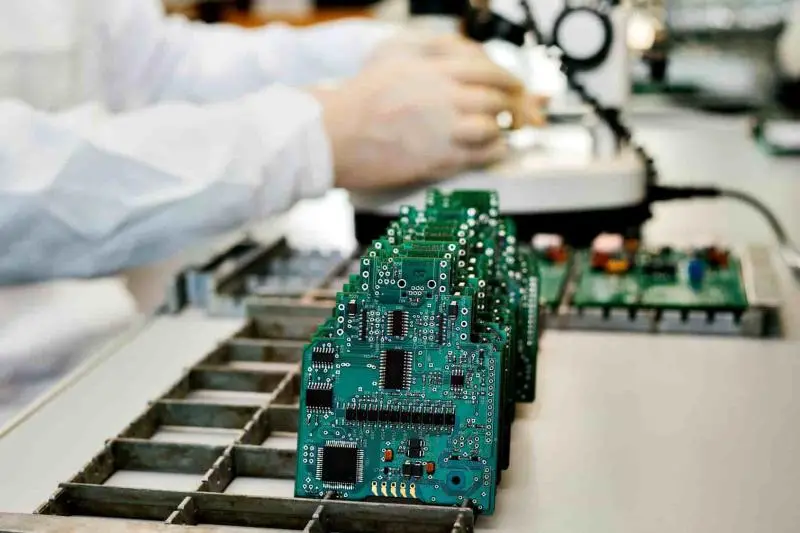
Quality assurance is a critical part of the steps in turnkey electronics manufacturing. It involves rigorous testing to ensure the product meets all specifications and functions correctly. This step helps identify and rectify any defects before mass production.
7. Final Assembly
After successful testing, the final assembly of the product takes place. This involves putting together all the components to create a complete, functional product ready for shipping.
8. Packaging and Logistics
Once assembly is complete, the products are packaged and prepared for shipping. Logistics play a crucial role in ensuring timely delivery to the market. Efficient logistics management can significantly reduce costs and improve customer satisfaction.
9. Continuous Improvement
Even after the product is shipped, the process does not end. Continuous improvement is essential in the steps in turnkey electronics manufacturing. Feedback is collected, and any issues are addressed to improve future productions.
Benefits of Turnkey Manufacturing for Exporters and Importers
For exporters and importers, turnkey manufacturing offers numerous benefits. It simplifies the production process, reduces time to market, and ensures high-quality products. Additionally, it allows companies to scale production efficiently without the need for significant investments in manufacturing infrastructure.
Cost-Effective Production
Turnkey manufacturing can be more cost-effective than traditional manufacturing methods. By outsourcing production, companies can save on labor, materials, and other costs associated with in-house manufacturing.
Focus on Core Competencies
By partnering with a turnkey manufacturer, businesses can focus on their core competencies such as marketing and sales. This allows them to allocate resources more effectively and drive growth.
Access to Expertise
Turnkey manufacturers bring a wealth of expertise to the table. They have the experience and knowledge to handle complex production processes, ensuring high-quality outcomes. This expertise is invaluable for companies looking to bring innovative products to market.
Challenges in Turnkey Electronics Manufacturing
While turnkey manufacturing offers many advantages, it is not without challenges. Communication between the business and the manufacturer is crucial to ensure all specifications are met. Additionally, finding a reliable and trustworthy partner can be difficult.
Managing Communication
Effective communication is essential for successful turnkey manufacturing. Both parties must be on the same page regarding expectations, timelines, and quality standards.
Choosing the Right Partner
Choosing the right manufacturing partner is one of the most challenging aspects of turnkey manufacturing. Companies must conduct thorough research and due diligence to ensure their partner can deliver on their promises.
Conclusion
In conclusion, understanding the steps in turnkey electronics manufacturing is essential for exporters and importers looking to succeed in the competitive electronics market. By partnering with a reliable manufacturer, businesses can streamline their production processes, reduce costs, and deliver high-quality products to market efficiently.
For more insights into the impact of technological advancements in electronics, you can read about the impact of 5G on IoT devices.
FAQs
What is turnkey electronics manufacturing?
Turnkey electronics manufacturing is a process where one company handles all aspects of production, from design to delivery, for electronic products.
Why choose turnkey manufacturing?
Turnkey manufacturing allows companies to streamline production, reduce costs, and focus on core competencies like marketing and sales.
What are the challenges in turnkey manufacturing?
Challenges include managing communication and choosing the right manufacturing partner. Companies must ensure clear communication and conduct thorough research when selecting a partner.
