


In the rapidly evolving world of technology, the fusion of the Internet of Things (IoT) with renewable energy, particularly solar power, is paving the way for a more sustainable future. This solar-powered IoT devices guide will delve into how these devices are transforming industries and what exporters and importers need to know to stay ahead. As the demand for sustainable solutions grows, understanding the intricacies of solar-powered IoT devices becomes crucial.
What Are Solar-Powered IoT Devices?
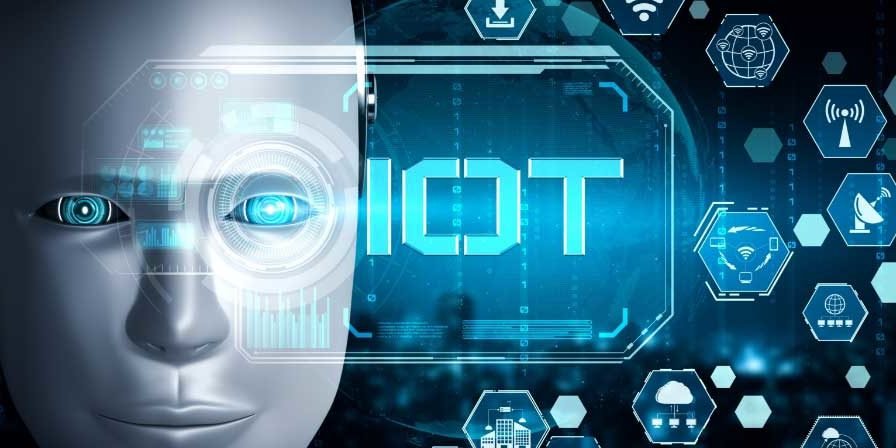
Solar-powered IoT devices are electronic gadgets that utilize solar energy to power their operations while being connected to the internet for seamless data exchange. These devices harness the power of the sun, making them not only energy-efficient but also environmentally friendly. By leveraging solar power, these IoT devices can operate in remote areas without relying on traditional power sources, thus expanding their usability and functionality.
Importance of Solar-Powered IoT in Today’s World
The integration of solar power with IoT is significantly important due to the growing need for sustainable energy solutions. As industries seek to reduce their carbon footprint and minimize operational costs, solar-powered IoT devices present a viable solution. These devices contribute to a greener planet by reducing dependency on fossil fuels, and they also offer the advantage of reduced energy costs.
Advantages of Using Solar-Powered IoT Devices
- Energy Efficiency: By using solar power, these devices minimize energy consumption from non-renewable resources.
- Cost-Effectiveness: Once installed, solar-powered devices incur lower operational costs.
- Scalability: Ideal for remote and off-grid locations.
Applications of Solar-Powered IoT Devices
Solar-powered IoT devices have vast applications across various sectors. They are particularly beneficial in agriculture, where they are used to monitor soil conditions, weather, and crop health. In smart cities, these devices help manage energy consumption, traffic, and waste.
Agricultural Benefits
In agriculture, solar-powered IoT devices help farmers optimize the use of water and fertilizers, ensuring better crop management and yield. By providing real-time data, they enable farmers to make informed decisions, improving efficiency and productivity.
Smart Cities
In the development of smart cities, these devices play a crucial role in managing resources efficiently. They aid in traffic management, street lighting, and waste management, contributing to the overall sustainability of urban environments.
How to Implement Solar-Powered IoT Devices
For exporters and importers, understanding the implementation process of solar-powered IoT devices is key. The process involves selecting the right devices, ensuring proper installation, and setting up a reliable network for data transmission. Collaboration with experts in IoT and renewable energy can streamline this process.
Steps for Successful Implementation
- Identify the specific needs of your project or business.
- Select the appropriate solar-powered IoT devices that align with your goals.
- Ensure proper installation and maintenance to maximize efficiency.
Challenges in Deploying Solar-Powered IoT Devices
Despite their benefits, the deployment of solar-powered IoT devices comes with challenges. These include the initial cost of installation and the need for regular maintenance to ensure optimal performance. Additionally, the efficiency of these devices can be affected by geographical and weather conditions.
Overcoming Challenges
To overcome these challenges, it is essential to conduct a thorough analysis of the site where the devices will be deployed. Partnering with experienced professionals can provide insights into the best practices and strategies for successful implementation.
The Future of Solar-Powered IoT
The future of solar-powered IoT is promising, with advancements in technology making these devices more affordable and efficient. As the world moves towards sustainable solutions, the demand for solar-powered IoT devices is expected to rise, offering significant opportunities for exporters and importers.
Innovative Trends
Future trends include the integration of AI and machine learning with solar-powered IoT devices, enhancing their capability to predict and respond to environmental changes. This innovation will further expand their application in various sectors.
Conclusion
In conclusion, solar-powered IoT devices are at the forefront of sustainable technology. For exporters and importers, understanding and investing in these devices can lead to significant business opportunities and contribute to a greener planet. As technology continues to evolve, staying informed about the latest trends and advancements in solar-powered IoT will be crucial for success.
Frequently Asked Questions
What are the main benefits of solar-powered IoT devices?
They offer energy efficiency, cost-effectiveness, and scalability, particularly in remote areas.
How do solar-powered IoT devices work?
These devices use solar panels to capture sunlight, converting it into energy to power IoT functionalities.
What industries benefit most from solar-powered IoT devices?
Agriculture and smart cities benefit significantly by improving resource management and operational efficiency.
To learn more about how IoT devices can be integrated into various industries, check out this article on IoT platforms. For further information on IoT product development, visit this insightful resource.
