


In today’s fast-paced industrial environments, selecting rugged devices for industrial use is crucial for businesses aiming to enhance productivity and efficiency. These devices are specifically designed to withstand harsh conditions, ensuring reliability and longevity even in the most challenging settings. In this article, we’ll explore the key considerations when choosing rugged devices, ensuring you make an informed decision that aligns with your industrial needs.

Understanding Rugged Devices
Rugged devices are built to endure extreme conditions, such as high temperatures, moisture, dust, and physical impact. They are commonly used in sectors like manufacturing, construction, logistics, and field services. Unlike consumer-grade electronics, rugged devices are engineered for durability and robust performance, making them ideal for industrial use.
Why Choose Rugged Devices?
The primary reason for selecting rugged devices for industrial use is their ability to deliver consistent performance in demanding environments. They minimize downtime and reduce maintenance costs, ultimately leading to increased productivity. Rugged devices are equipped with features like reinforced casings, advanced sealing, and shock-resistant technology, ensuring they can withstand the rigors of industrial settings.
Key Features of Rugged Devices
When considering rugged devices, it’s essential to look for specific features that enhance their performance and durability. These features include:
- Ingress Protection (IP) Rating: The IP rating indicates the device’s resistance to dust and water. A higher IP rating ensures better protection in harsh environments.
- Military Standard (MIL-STD) Certification: Devices with MIL-STD certification have undergone rigorous testing for shock, vibration, and temperature extremes.
- Battery Life: Long-lasting battery life is crucial for devices used in remote or field locations.
- Screen Durability: Opt for devices with scratch-resistant and anti-glare screens for optimal visibility.
Factors to Consider When Selecting Rugged Devices
1. Environmental Conditions
Assess the environmental conditions in which the devices will be used. Consider factors like temperature fluctuations, humidity levels, and exposure to dust and chemicals. Ensure the selected devices can withstand these conditions without compromising performance.
2. Application Requirements
Different applications have varying demands. Determine the specific tasks the devices will perform and choose models that align with those requirements. For example, devices used in logistics may need barcode scanning capabilities, while those in construction might require GPS functionality.
3. Connectivity Options
Reliable connectivity is essential for seamless communication and data transfer. Look for devices with multiple connectivity options, such as Wi-Fi, Bluetooth, and cellular networks, to ensure they can integrate seamlessly into your existing systems.
4. Total Cost of Ownership
While rugged devices may have a higher upfront cost, it’s essential to consider the total cost of ownership. These devices often have longer lifespans and lower maintenance requirements, leading to cost savings over time. Evaluate the long-term benefits and choose devices that offer the best value for your investment.
Common Applications of Rugged Devices in Industry
Rugged devices find applications in various industrial sectors, each benefiting from their durability and reliability. Some common applications include:
1. Manufacturing
In manufacturing environments, rugged devices are used for inventory management, quality control, and production monitoring. Their ability to withstand dust, vibrations, and temperature fluctuations makes them ideal for factory floors.
2. Construction
In the construction industry, rugged devices are essential for project management, site inspections, and communication. They provide real-time data and enable seamless collaboration among teams, even in challenging outdoor conditions.
3. Field Services
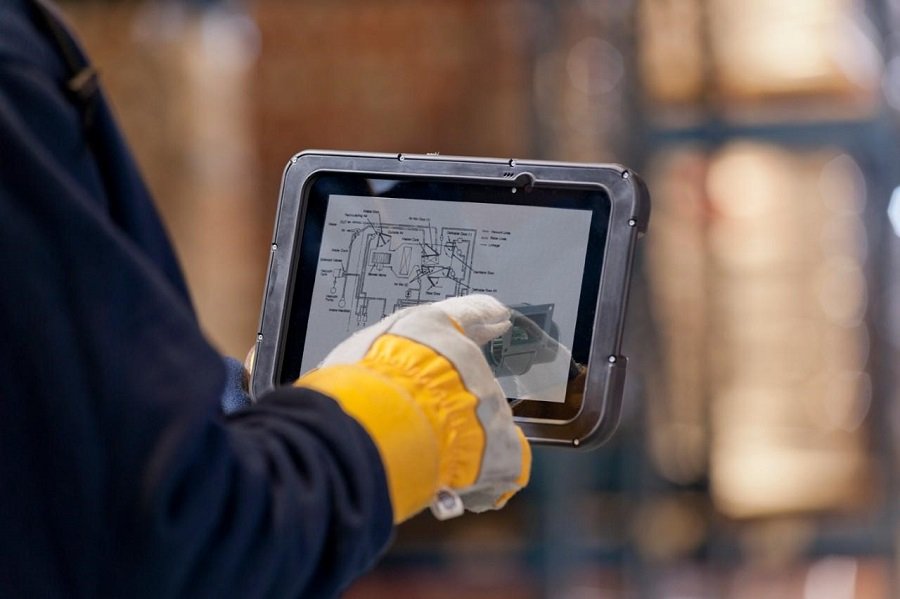
Field service technicians rely on rugged devices for diagnostics, repairs, and maintenance tasks. These devices enable them to access manuals, record data, and communicate with teams while on the move.
Future of Rugged Devices
The future of rugged devices is promising, with advancements in technology driving innovation. As industries continue to embrace digital transformation, rugged devices will play a crucial role in enabling automation, IoT integration, and data-driven decision-making. Learn more about the future of rugged electronics.
Challenges in Selecting Rugged Devices
While the benefits of rugged devices are clear, selecting the right ones can be challenging. Businesses must navigate a range of options, each with unique features and specifications. To overcome these challenges, it’s essential to collaborate with trusted suppliers who can provide expert guidance and support throughout the selection process.
1. Compatibility Issues
Ensuring compatibility with existing systems and software is crucial when integrating rugged devices. Verify that the devices can seamlessly connect with your infrastructure to avoid disruptions.
2. Training and Support
Proper training and support are essential for maximizing the benefits of rugged devices. Work with suppliers who offer comprehensive training programs and ongoing technical support to ensure your team can leverage the full potential of these devices.
Conclusion
Selecting rugged devices for industrial use requires careful consideration of various factors, from environmental conditions to application requirements. By understanding the unique needs of your industry and leveraging the right features and technologies, you can make informed decisions that enhance productivity and efficiency. Embrace the power of rugged devices and pave the way for a more resilient and successful industrial operation.
For more insights on rugged devices, explore our article on maintenance of rugged devices.
FAQs
1. What are rugged devices?
Rugged devices are specially designed electronics built to withstand extreme environmental conditions, making them ideal for industrial use.
2. Why are rugged devices important in industry?
Rugged devices are crucial in industries due to their durability, reliability, and ability to perform in harsh conditions, reducing downtime and maintenance costs.
3. How do I choose the right rugged device for my industry?
Consider factors like environmental conditions, application requirements, connectivity options, and total cost of ownership when selecting rugged devices for your industry.
Explore more about the common failures in non-rugged electronics to understand the benefits of rugged devices better.
For further reading, check out this external resource on rugged electronics applications and trends.
