


In today’s rapidly evolving technological landscape, rugged electronics for image processing have become vital. These devices are designed to withstand extreme conditions while maintaining top-tier performance, making them indispensable for exporters and importers dealing with harsh environments.
What Are Rugged Electronics?
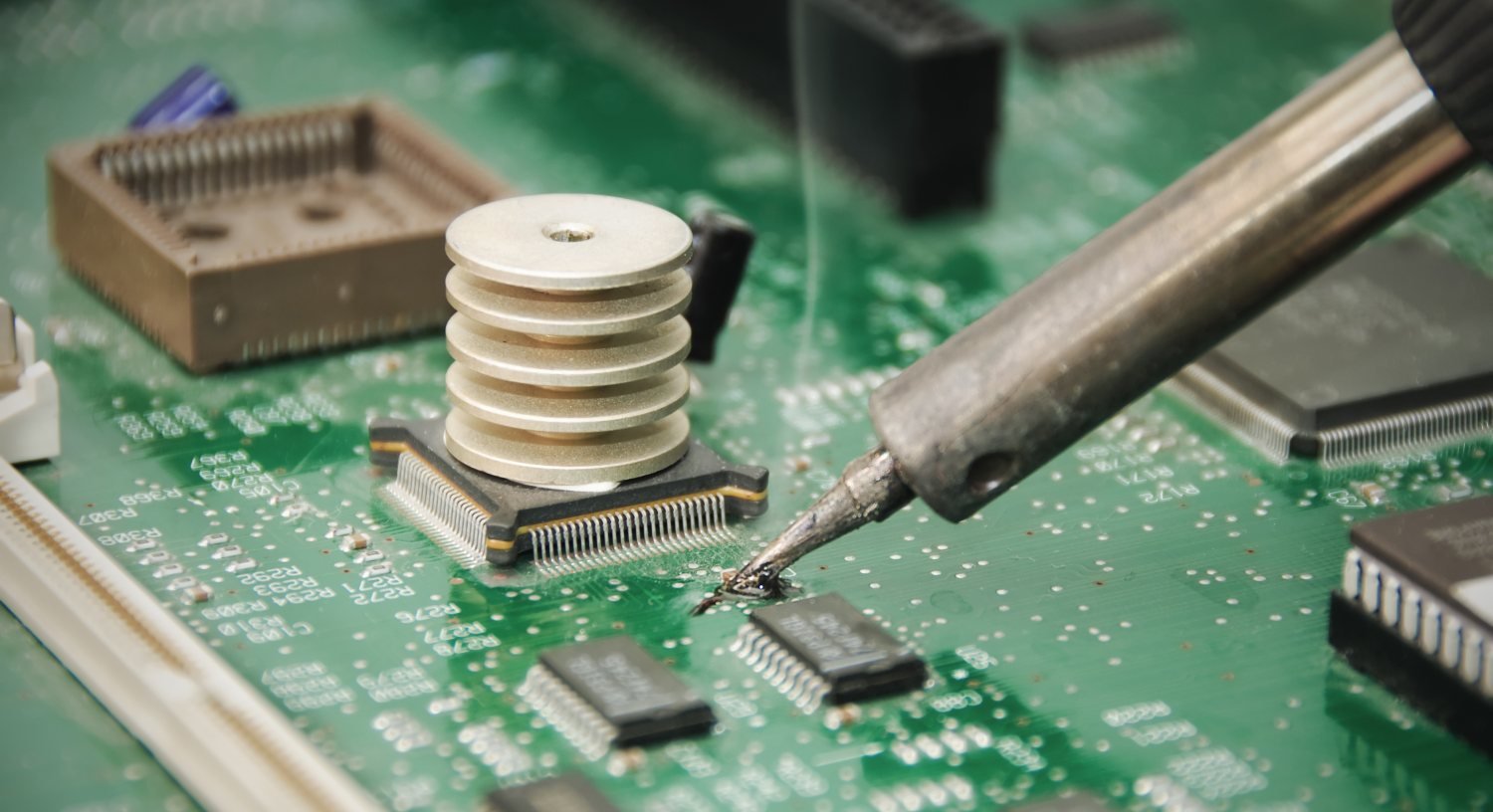
Rugged electronics are specifically engineered to operate in tough environments, including extreme temperatures, dust, moisture, and physical impacts. They are crucial in industries where standard electronics would fail, ensuring continuous and reliable performance.
The Importance of Image Processing
Image processing involves techniques that enhance raw images captured through cameras and sensors. With the advancement in technology, the demand for efficient and reliable image processing has surged, especially in industries like manufacturing, defense, and logistics.
Applications of Rugged Electronics in Various Industries
The application of rugged electronics spans across multiple fields. In the military sector, they are crucial for surveillance and reconnaissance. In manufacturing, they aid in quality control by analyzing images for defects and ensuring compliance with standards.
Military and Defense
In military operations, rugged electronics are used for real-time image processing to analyze terrains and detect threats. They are built to endure extreme conditions, ensuring that missions are carried out without technological failures.
Manufacturing and Quality Control
In the manufacturing industry, rugged electronics enhance quality control processes. They help in detecting defects in products, ensuring that only items meeting quality standards reach consumers.
Key Features of Rugged Electronics
Some of the defining features of rugged electronics include durability, resistance to environmental factors, and the ability to maintain performance under stress. These features make them ideal for image processing in challenging environments.
Durability and Longevity
The robust build of rugged electronics ensures they last longer than standard devices. Their durability is a key factor for industries that require reliable and continuous operation.
Environmental Resistance
These devices are resistant to dust, water, and extreme temperatures. Such resistance is crucial for image processing devices used in outdoor and hazardous settings.
Challenges in Implementing Rugged Electronics for Image Processing
Despite their advantages, implementing rugged electronics comes with its own set of challenges. These include the high cost of development and the need for specialized components.
Cost Considerations
The development and implementation of rugged electronics can be costly. However, the investment is often justified by their long-term benefits and reliability.
Need for Specialized Components
Building rugged electronics requires specialized components that can withstand harsh conditions, which can complicate the supply chain and increase costs.
Future Trends in Rugged Electronics
The future of rugged electronics for image processing looks promising, with advancements in technology paving the way for more efficient and compact devices.
Miniaturization
As technology progresses, there is a trend towards smaller, more compact rugged electronics. This trend is expected to continue, offering portability without compromising on performance.
Integration with AI and Machine Learning
The integration of AI and machine learning with rugged electronics is set to revolutionize image processing. These technologies will enhance the capabilities of these devices, making them smarter and more efficient.
Conclusion
In conclusion, rugged electronics for image processing are an essential component in many industries. Their ability to perform under extreme conditions makes them invaluable for exporters and importers. As technology advances, the capabilities and applications of these devices will continue to expand, offering new possibilities and solutions.

FAQ
1. What makes electronics rugged?
Rugged electronics are designed to withstand extreme environmental conditions such as temperature fluctuations, moisture, and physical impacts, making them suitable for harsh environments.
2. How are rugged electronics used in image processing?
They are used to enhance and analyze images in challenging conditions, providing reliable performance where standard electronics might fail.
3. What industries benefit most from rugged electronics?
Industries such as military, manufacturing, and logistics benefit greatly from the implementation of rugged electronics due to their robust nature and reliability.
Learn more about the importance of rugged technology and its growing demand by visiting Built to Last: The Growing Demand for Rugged Technology.
For more insights on power protection in rugged systems, check out Power Protection for Rugged Systems.
