

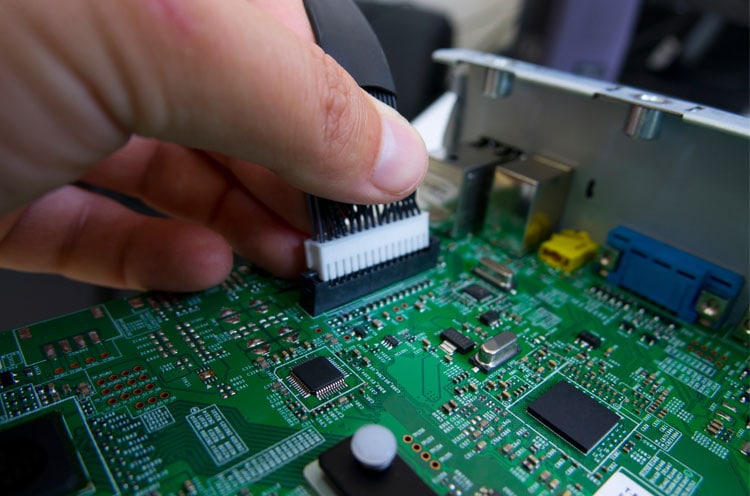
In the modern landscape of electronics production, the term RoHS compliance in turnkey manufacturing holds significant weight. As the demand for environmentally friendly products rises, it becomes crucial for manufacturers and businesses to align with regulations that promote sustainability. This article explores the intricacies of RoHS compliance and its vital role in turnkey manufacturing.
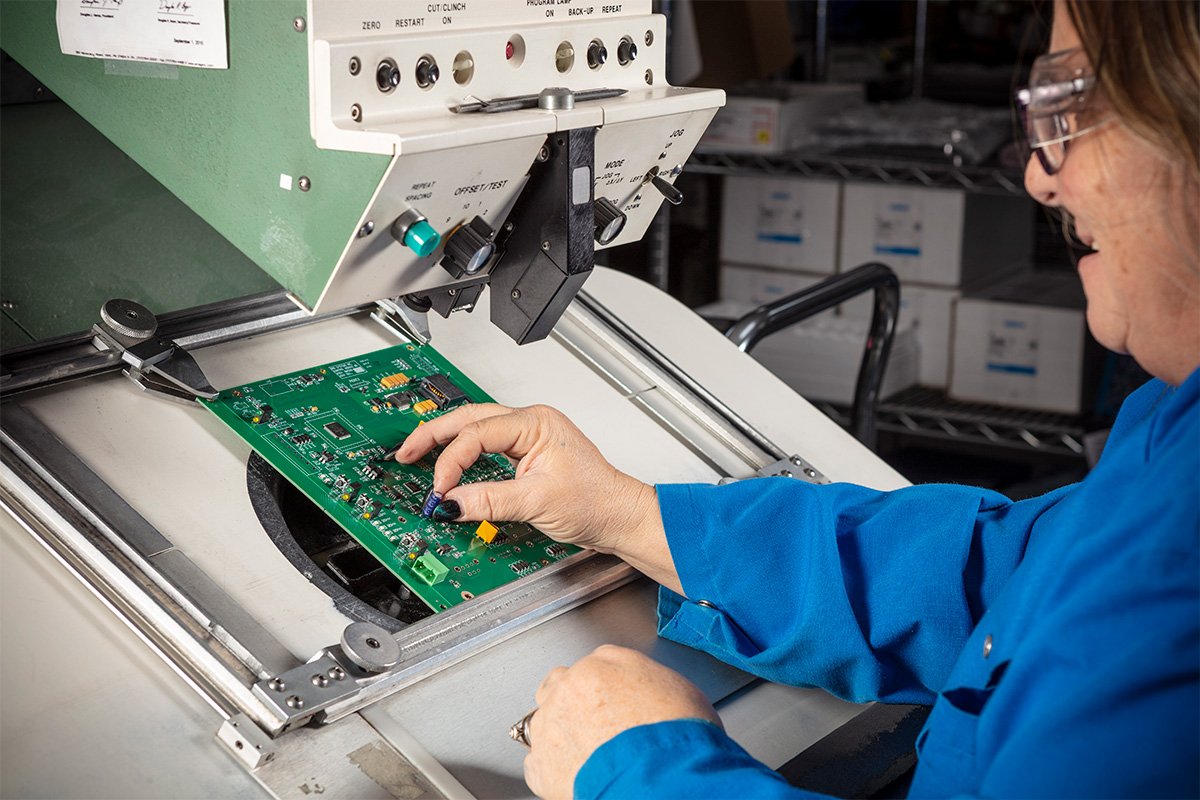
What is RoHS Compliance?
The Restriction of Hazardous Substances Directive, commonly known as RoHS, is a pivotal regulation in the electronics industry. It was originated by the European Union to limit the use of specific hazardous materials found in electrical and electronic products. The goal is to reduce environmental impact and enhance the safety of products.
The Importance of RoHS Compliance
Compliance with RoHS is not just a regulatory requirement; it is a commitment to producing safer, more sustainable products. For companies involved in turnkey manufacturing, adhering to these standards ensures that all components and processes meet environmental guidelines, which is a vital selling point for consumers and businesses alike.
How Turnkey Manufacturing Relates to RoHS
Turnkey manufacturing involves the complete handling of a product’s production, from design to delivery. This method allows companies to streamline operations and focus on other business aspects. Within this framework, ensuring RoHS compliance becomes a seamless part of the process, with manufacturers integrating these standards into every step of production.
Benefits of RoHS Compliance in Turnkey Manufacturing
- Environmental Responsibility: Reducing the use of hazardous materials contributes to a healthier planet.
- Market Access: Aligning with RoHS opens doors to markets that require compliance, such as the European Union.
- Brand Reputation: Companies known for their eco-friendly practices enjoy a positive brand image.
Implementing RoHS in Turnkey Manufacturing
To effectively implement RoHS compliance, manufacturers must integrate these standards from the design phase through to the final product. This involves careful selection of materials, rigorous testing, and ensuring that all suppliers and partners are also compliant.
Challenges in Implementation
Despite its benefits, implementing RoHS can pose challenges. These include the need for continuous education on regulations, managing supply chains to ensure compliance, and the potential increase in production costs. However, the long-term advantages often outweigh these hurdles.
Real-World Applications
Many companies have successfully implemented RoHS compliance in their turnkey manufacturing processes, leading to innovative and sustainable product lines. For instance, businesses that focus on potting and encapsulation in electronics often highlight their compliance as a competitive advantage.
Future Trends
As global awareness of environmental issues grows, the emphasis on RoHS compliance within turnkey manufacturing will likely increase. This trend is expected to drive innovation in materials and processes, further pushing the boundaries of what is possible in sustainable electronics production.
Conclusion
Incorporating RoHS compliance into turnkey manufacturing is not just about meeting legal requirements; it is about fostering a culture of sustainability and responsibility. Businesses that prioritize these values are well-positioned to lead in an increasingly eco-conscious market.
FAQs
What is the main purpose of RoHS compliance?
The main purpose of RoHS compliance is to minimize the use of hazardous materials in electronic and electrical products, reducing environmental impact and promoting consumer safety.
How does RoHS compliance benefit manufacturers?
By adhering to RoHS standards, manufacturers can access new markets, enhance their brand reputation, and contribute to environmental sustainability.
What are the key challenges in achieving RoHS compliance?
Key challenges include staying updated with regulations, ensuring supplier compliance, and managing potential cost increases associated with eco-friendly materials and processes.
For more information on the benefits and implementation of RoHS compliance in turnkey manufacturing, you can explore this external resource.
