

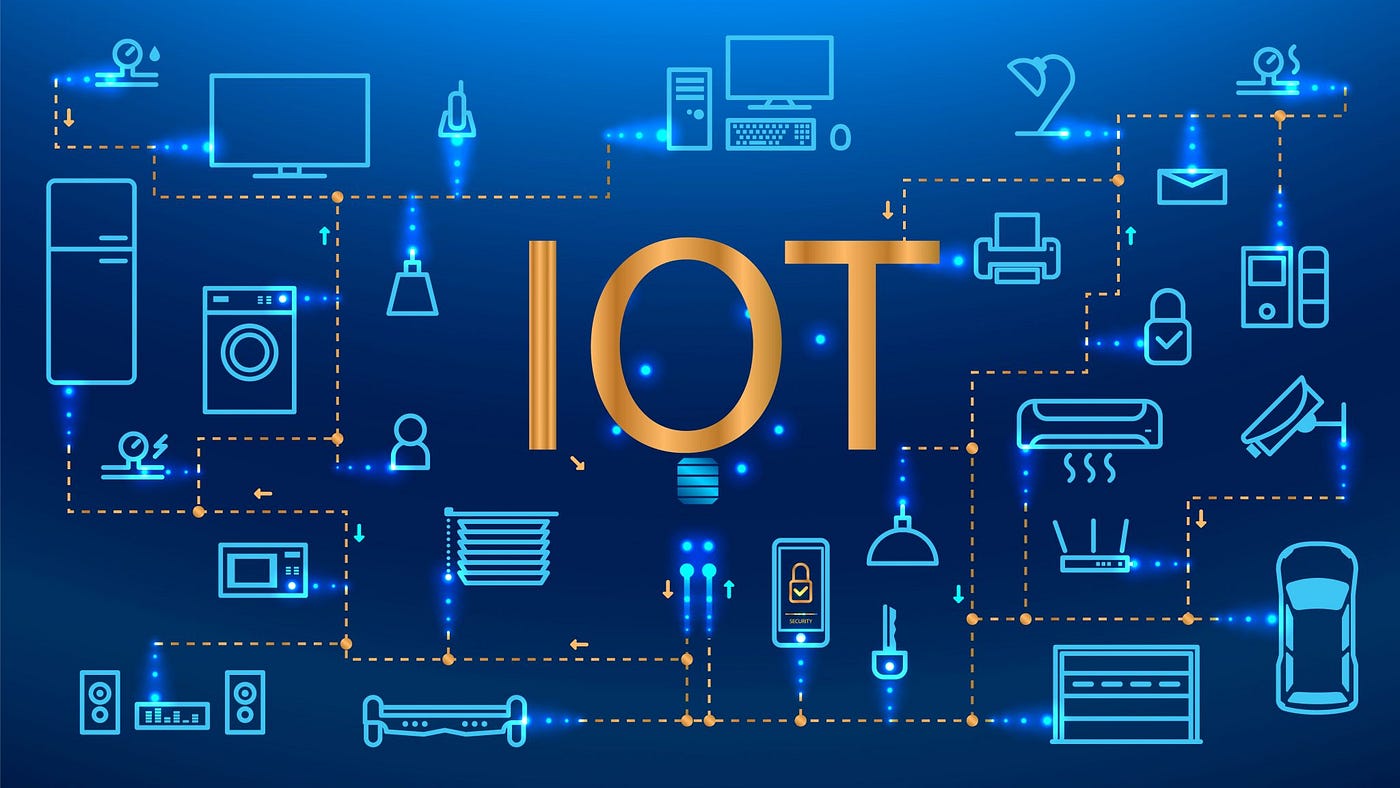
In the rapidly evolving world of the Internet of Things (IoT), choosing the right communication protocol is crucial for seamless device interaction. When it comes to IoT, two popular protocols often come into the spotlight: RESTful API and MQTT. Understanding their differences and use cases can greatly enhance your IoT projects.

Introduction to IoT Protocols
IoT, a network of interconnected devices, relies on efficient communication protocols to function optimally. These protocols ensure data is exchanged smoothly and securely between devices. Among the various protocols, RESTful API and MQTT stand out due to their widespread adoption and unique features.
What is RESTful API?
RESTful API is an architectural style that uses HTTP for communication. It is stateless, meaning each request from a client contains all the information necessary for the server to fulfill that request. This makes it scalable and easy to implement. RESTful APIs are known for their simplicity and compatibility with web services.
Advantages of RESTful API in IoT
- Simplicity: RESTful APIs are easy to understand and implement, making them ideal for developers.
- Scalability: Due to their stateless nature, RESTful APIs can easily scale to accommodate growing IoT networks.
- Interoperability: They can work across different platforms and devices, ensuring seamless integration.
Limitations of RESTful API in IoT
Despite its advantages, RESTful API has some limitations. It may not be suitable for real-time communication due to its reliance on HTTP, which can introduce latency. Additionally, RESTful APIs may consume more bandwidth, making them less ideal for constrained environments.
What is MQTT?
MQTT (Message Queuing Telemetry Transport) is a lightweight messaging protocol designed for low-bandwidth, high-latency environments. It operates over TCP/IP and follows a publish-subscribe model, which allows for efficient and real-time communication between devices.
Advantages of MQTT in IoT
- Efficiency: MQTT’s lightweight nature makes it perfect for environments with limited resources.
- Real-time Communication: The publish-subscribe model ensures immediate message delivery, which is crucial for IoT applications.
- Flexibility: MQTT can operate in various network conditions, making it adaptable for different IoT scenarios.
Limitations of MQTT in IoT
While MQTT offers real-time communication, it may not be the best choice for applications requiring complex interactions or those operating in highly secure environments. Additionally, it requires a broker to manage message distribution, which can introduce a single point of failure.
Comparing RESTful API and MQTT
When choosing between RESTful API and MQTT, it’s essential to consider the specific requirements of your IoT project. RESTful API is ideal for applications prioritizing scalability and simplicity, while MQTT excels in scenarios demanding real-time communication and efficiency.
Use Cases for RESTful API
- Web Services: Ideal for applications that need to interact with web-based services.
- Data Retrieval: Suitable for retrieving large amounts of data from IoT devices.
Use Cases for MQTT
- Real-time Monitoring: Perfect for applications requiring constant monitoring and quick response times.
- Smart Home Devices: Efficient for devices that need to communicate frequently and reliably.
Making the Right Choice
Ultimately, the decision between RESTful API and MQTT depends on your project’s specific needs. Consider factors such as network conditions, security requirements, and the nature of device interactions. Both protocols have their strengths and can significantly impact the success of your IoT endeavors.
Conclusion
In conclusion, understanding the differences between RESTful API and MQTT is vital for any IoT project. Each protocol offers unique benefits and challenges, and selecting the right one can enhance your project’s efficiency and reliability. For more insights on IoT communication protocols, explore our comprehensive guide on IoT Gateway Design.
Further Reading
For additional resources, consider exploring external perspectives on IoT product development at IoT Product Development.

FAQs
What is the main difference between RESTful API and MQTT?
The primary difference lies in their communication models: RESTful API uses HTTP requests, while MQTT uses a publish-subscribe model for real-time messaging.
Which protocol is more suitable for real-time communication?
MQTT is more suitable for real-time communication due to its lightweight nature and efficient message delivery.
Can RESTful API and MQTT be used together in an IoT project?
Yes, combining both protocols can leverage their strengths, allowing for scalable and real-time communication within the same project.
