

In the ever-evolving landscape of technology, ensuring the reliability of systems, especially rugged systems, is of paramount importance. Whether you’re an exporter or importer dealing with these systems, understanding their durability and reliability is crucial. This article delves into the essence of reliability testing in rugged systems, providing insights and knowledge that every stakeholder should grasp.
What is Reliability Testing?
Reliability testing is a process to ensure that a product or system performs consistently under expected conditions. This type of testing is critical for rugged systems, which are often exposed to extreme environments and must function without failure.
Importance of Reliability Testing in Rugged Systems
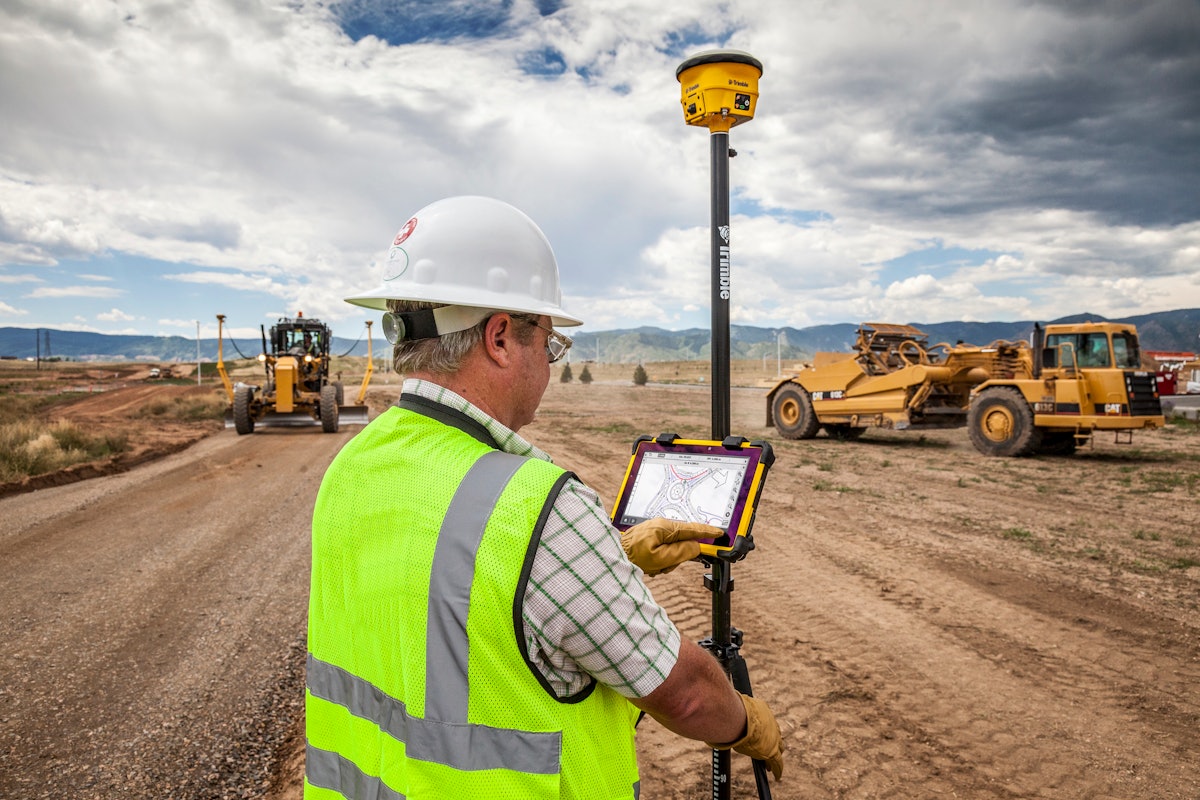
For rugged systems, which are used in harsh environments, ensuring reliability is essential. These systems are often exposed to extreme temperatures, moisture, dust, and vibrations. Failure in such systems can lead to significant operational, financial, and safety repercussions. For example, rugged electronics in railway systems must be reliable to ensure passenger safety and operational integrity.
Key Factors Affecting Reliability
- Environmental Conditions: Extreme temperatures, humidity, and other environmental factors can affect system performance.
- Material Quality: The materials used in manufacturing these systems play a crucial role in their durability.
- Design and Engineering: Proper design and engineering ensure that systems can withstand harsh conditions.
Types of Reliability Testing
Various types of reliability testing can be conducted to ensure system durability:
Environmental Testing
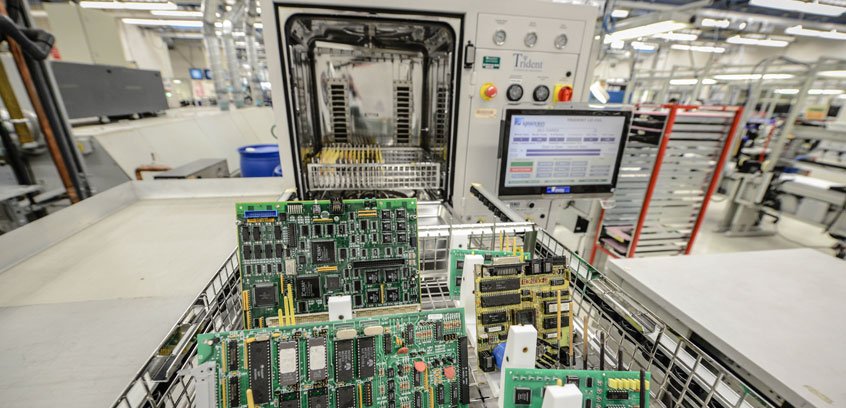
This involves exposing the system to various environmental conditions to ensure it can withstand real-world challenges. More details about this can be found in the article on hazardous area compliant electronics.
Stress Testing
Stress testing evaluates how a system performs under extreme conditions, pushing it to its limits to identify potential failures.
Life Cycle Testing
This type of testing assesses the system’s performance over its expected lifecycle, providing insights into its longevity and reliability.
Benefits of Reliability Testing in Rugged Systems
Reliability testing offers numerous benefits:
- Enhanced Safety: Ensures systems operate safely in hazardous environments.
- Cost Efficiency: Identifies potential failures early, reducing maintenance costs.
- Improved Reputation: Reliable systems enhance brand reputation and customer trust.
Challenges in Reliability Testing
Despite its importance, reliability testing poses several challenges:
- Cost: Conducting comprehensive tests can be expensive.
- Time-Consuming: Testing processes can be lengthy.
- Complexity: Understanding and interpreting test results requires expertise.
Implementing Reliability Testing
To successfully implement reliability testing, consider the following steps:
Define Objectives
Clearly outline the goals of the testing process.
Choose Appropriate Tests
Select tests that align with the system’s environment and usage.
Analyze Results
Interpret the results to identify potential areas of improvement. For insights on this, consider reading about fail-safe electronics.
The Future of Reliability Testing
As technology advances, reliability testing will continue to evolve. Emerging technologies, such as AI and IoT, are set to revolutionize the way testing is conducted, making it more efficient and accurate.
Conclusion
For exporters and importers, understanding and implementing reliability testing in rugged systems is essential. By ensuring that these systems are durable and dependable, businesses can mitigate risks, enhance safety, and maintain a strong reputation in their respective markets.

FAQs
What is the purpose of reliability testing?
The primary purpose is to ensure that a product or system functions consistently under expected conditions, especially for rugged systems.
What are the challenges in conducting reliability testing?
Challenges include high costs, time-consuming processes, and the complexity of interpreting results.
How does reliability testing benefit businesses?
It enhances safety, reduces maintenance costs, and improves brand reputation. For more insights, you can check out this external guide on designing electronics for harsh environments.
