


Written by Ethan Carter, this comprehensive guide aims to introduce you to the world of rapid prototyping in the realm of electronics. We’ll delve into the various techniques used by professionals in the industry, and how these methods can significantly enhance the design and development process.
Before we dive into the specifics, it’s crucial to understand why rapid prototyping is essential. By implementing these techniques, engineers can quickly validate their designs and make necessary adjustments before moving to the production stage. This approach not only saves time but also significantly reduces costs associated with design errors and reworks. For a more detailed understanding of hardware prototypes and their validation, you can visit this resource.
Moreover, if you’re interested in exploring modular approaches in hardware engineering, you might find this article useful.
Key Techniques in Rapid Prototyping for Electronics

There are several techniques that engineers use in the rapid prototyping process. Some of these include Breadboarding, Proof-of-Concept Prototyping, and Functional Prototyping. Each of these methods has its unique benefits and is used based on the specific requirements of the project.
Future of Rapid Prototyping in Electronics
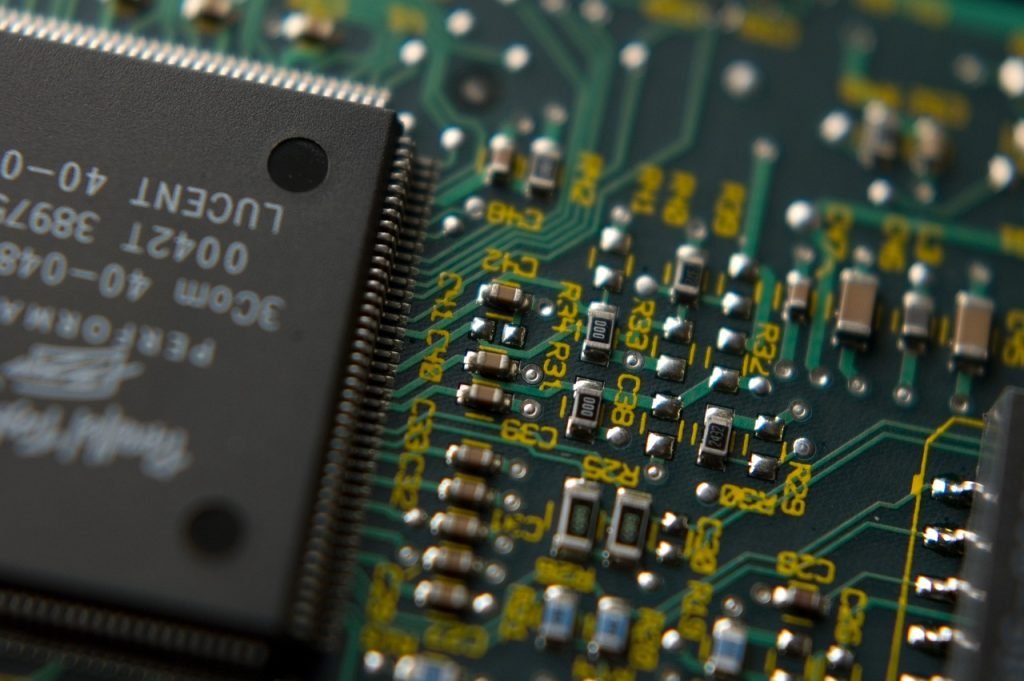
With advancements in technology, the future of rapid prototyping looks promising. The integration of artificial intelligence and machine learning can further streamline the prototyping process, making it more efficient and accurate. Additionally, the advent of 3D printing technology has opened up new possibilities for creating more complex and intricate prototypes.
In conclusion, rapid prototyping techniques are a game-changer in the field of electronics. They not only speed up the design process but also ensure that the final product is of high quality and meets the required standards.
