

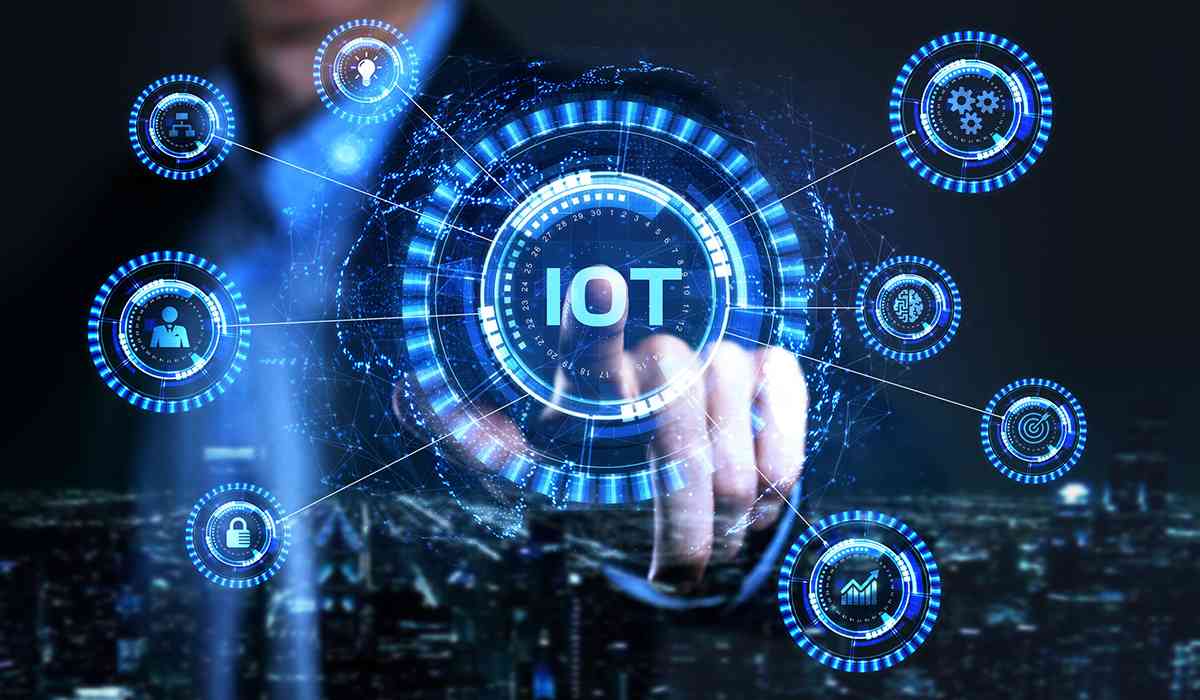
In the ever-evolving world of technology, the integration of quantum computing for IoT is set to revolutionize how we connect and operate devices. With the potential to exponentially increase processing power and data handling capabilities, quantum computing offers transformative solutions for the Internet of Things (IoT). This article delves into the profound impact of integrating quantum computing with IoT, exploring its potential and the exciting future it holds.
Understanding Quantum Computing
Quantum computing is a cutting-edge field that leverages the principles of quantum mechanics to process information. Unlike classical computers that use bits as the smallest unit of data, quantum computers use qubits. Qubits can exist in multiple states at once, allowing quantum computers to perform complex calculations at unprecedented speeds.
What Makes Quantum Computing Unique?
The uniqueness of quantum computing lies in its ability to perform parallel processing, thanks to the phenomenon known as superposition. This enables quantum computers to solve problems much faster than classical computers, making them ideal for handling the vast data generated by IoT devices.
The Role of IoT
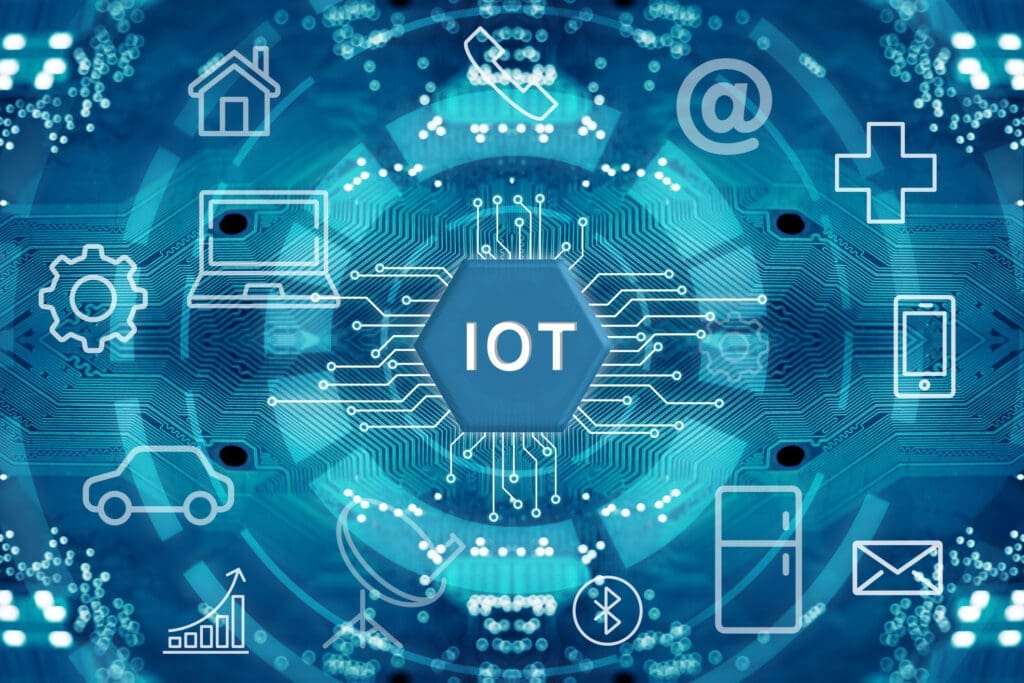
The Internet of Things (IoT) refers to the network of interconnected devices that communicate and exchange data. From smart homes to industrial automation, IoT is transforming how we live and work. However, as the number of IoT devices grows, so does the need for more efficient data processing and management systems.
Challenges in IoT Connectivity
One of the primary challenges in IoT is ensuring seamless connectivity and data integration across diverse devices. With the integration of quantum computing, these challenges can be significantly mitigated, providing a more robust and efficient IoT ecosystem.
How Quantum Computing Enhances IoT
The integration of quantum computing with IoT can enhance the performance and efficiency of IoT systems in several ways. By leveraging the unique capabilities of quantum computers, IoT systems can benefit from faster data processing, improved security, and innovative solutions to complex challenges.
Speed and Efficiency
Quantum computing significantly boosts the speed and efficiency of data processing in IoT systems. This enables real-time data analysis and decision-making, enhancing the overall performance of IoT networks.
Improved Security
Security is a critical concern in IoT, and quantum computing offers advanced solutions to enhance data protection. Quantum encryption techniques can safeguard sensitive information, ensuring secure communication between IoT devices.
Applications of Quantum Computing in IoT
The integration of quantum computing for IoT opens up a myriad of possibilities across various industries. From healthcare to logistics, the applications are vast and transformative.
Healthcare
In healthcare, quantum computing can enhance the processing of vast amounts of patient data, leading to more accurate diagnoses and personalized treatment plans. IoT-enabled medical devices can leverage quantum computing to deliver real-time insights and improve patient outcomes.
Logistics and Supply Chain
For the logistics industry, quantum computing can optimize supply chain operations by analyzing complex data sets. This can lead to more efficient route planning, inventory management, and demand forecasting.
Challenges and Considerations
While the potential of quantum computing for IoT is immense, there are challenges and considerations to address. The development and deployment of quantum computers require significant investment and expertise. Additionally, ensuring compatibility with existing IoT infrastructure is crucial for seamless integration.
Scalability
Scalability is a key consideration as quantum computing technology evolves. Ensuring that quantum solutions can scale to accommodate the growing number of IoT devices is essential for widespread adoption.
The Future of Quantum Computing in IoT
The future of quantum computing for IoT is promising, with ongoing research and development paving the way for innovative solutions. As technology advances, the synergy between quantum computing and IoT is poised to transform industries and redefine how we interact with technology.
Emerging Trends
Emerging trends in quantum computing and IoT integration include advancements in quantum algorithms and the development of hybrid systems that combine classical and quantum computing capabilities.
Conclusion
The integration of quantum computing for IoT holds immense potential to revolutionize connectivity and efficiency across industries. By harnessing the power of quantum computing, IoT systems can overcome existing limitations and unlock new possibilities for innovation. As we continue to explore this exciting frontier, the future of technology looks brighter than ever.
Further Reading
For more insights into the intersection of quantum computing and IoT, explore our detailed articles on 5G impact, environmental monitoring, and version control.
External Resources
For a deeper dive into IoT product development, consider visiting this detailed guide from HelixBeat.
FAQs
1. What is quantum computing?
Quantum computing is a field of technology that utilizes quantum mechanics principles to process information, offering faster and more efficient data handling capabilities than classical computing.
2. How does quantum computing benefit IoT?
Quantum computing enhances IoT by providing faster data processing, improved security, and innovative solutions to complex challenges, optimizing the performance of IoT systems.
3. What are the challenges of integrating quantum computing with IoT?
Challenges include the need for significant investment, expertise, and ensuring compatibility with existing IoT infrastructure for seamless integration.
