


MTBF in rugged devices is a term that often surfaces in discussions about the reliability and durability of technology used in harsh environments. For exporters and importers, understanding MTBF (Mean Time Between Failures) is crucial, especially when dealing with devices that need to withstand tough conditions. This article aims to explore the significance of MTBF and why it matters so much in the world of rugged devices.
What is MTBF?
The term MTBF stands for Mean Time Between Failures. It is a measure of reliability for a device or system, indicating the average time between failures during operation. In essence, it provides an estimate of how long a device will function before encountering a failure. This metric is particularly important for exporters and importers dealing with rugged devices, as it directly impacts product longevity and performance.
Why MTBF Matters in Rugged Devices
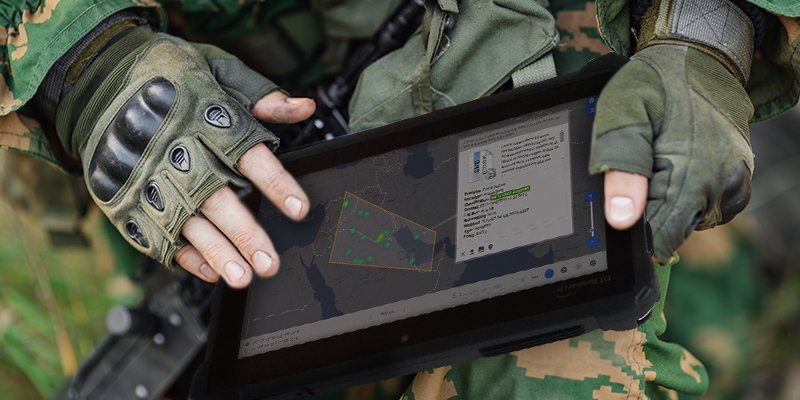
Rugged devices are designed to operate in extreme conditions, such as high temperatures, moisture, dust, and vibrations. These devices are often used in sectors like transportation, manufacturing, and military applications. Embedded computers in industrial settings, for instance, require a high MTBF to ensure continuous operation without unexpected downtimes.
Impact on Cost and Efficiency
A higher MTBF translates to fewer failures, which means reduced maintenance costs and less frequent replacements. This is especially beneficial for businesses relying on rugged devices, as it enhances efficiency and ensures smooth operations. Exporters and importers can save significantly in the long run by investing in devices with a high MTBF.
Customer Satisfaction
For businesses, customer satisfaction is paramount. Devices that frequently fail can lead to dissatisfaction and loss of trust. By choosing products with a higher MTBF, businesses can offer reliable solutions to their clients, ensuring that their operations run smoothly and without interruptions.
How MTBF is Calculated
Calculating MTBF involves tracking the operational time of a device and the number of failures over that period. It is usually expressed in hours and is calculated using the formula:
MTBF = (Total Operational Time) / (Number of Failures)
This calculation provides a statistical representation of the device’s reliability, offering insights into its expected performance in real-world conditions.
Factors Affecting MTBF
Several factors can influence the MTBF of rugged devices, including:
- Design and Build Quality: Devices with superior design and high-quality components tend to have a higher MTBF.
- Environmental Conditions: Exposure to extreme conditions can reduce MTBF.
- Usage Patterns: Frequent or improper use can lead to more frequent failures.
Improving MTBF in Rugged Devices
Manufacturers can improve the MTBF of rugged devices by focusing on several key areas:
Enhancing Design and Quality
Investing in high-quality materials and robust design principles is crucial. Manufacturers should aim to exceed industry standards to ensure their devices can withstand harsh conditions and have a longer operational life.
Regular Maintenance
Implementing a regular maintenance schedule can help identify potential issues before they lead to failures. This proactive approach can significantly boost the MTBF of devices.
The Role of Technology in MTBF
Modern technology plays a significant role in improving the MTBF of rugged devices. For instance, advancements in materials science and engineering have led to the development of components that are more durable and reliable. Additionally, the integration of smart technologies allows for real-time monitoring and diagnostics, which can preemptively address issues and enhance MTBF.
Case Studies and Real-World Applications
Real-world applications of rugged devices with high MTBF can be seen in various sectors. For example, rugged computing plays a crucial role in manufacturing environments where continuous operation is vital for productivity.
Choosing the Right Rugged Device
For exporters and importers, selecting the right rugged device with an optimal MTBF is essential. Considerations should include:
- Environmental Suitability: Ensure the device is designed for the specific conditions it will face.
- Reputation and Reviews: Research manufacturer reputation and read product reviews to gauge reliability.
- Technical Support: Choose manufacturers that offer robust technical support and warranties.
Conclusion
Understanding MTBF in rugged devices is crucial for exporters and importers looking to invest in technology that promises reliability, efficiency, and customer satisfaction. By focusing on devices with a higher MTBF, businesses can ensure they are providing their clients with products that are not only durable but also cost-effective in the long run.

FAQ
What is MTBF and how is it calculated?
MTBF stands for Mean Time Between Failures, and it is calculated by dividing the total operational time by the number of failures.
Why is MTBF important for rugged devices?
MTBF is crucial for rugged devices as it indicates their reliability and expected lifespan, impacting maintenance costs and customer satisfaction.
How can I improve the MTBF of my devices?
Improving design quality, regular maintenance, and leveraging modern technology can enhance the MTBF of rugged devices.
For more detailed insights, you can explore resources like Cincoze which offer in-depth articles on rugged devices and reliability.
