

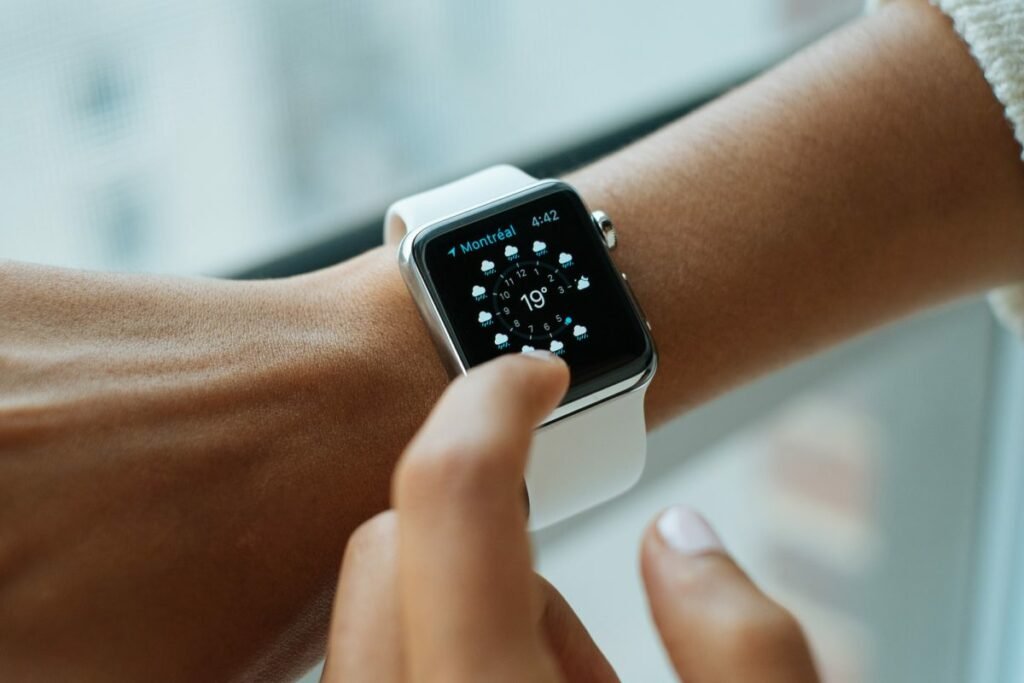
The rapid growth of wearable technology has transformed how we monitor health, track fitness, and interact with digital devices in our daily lives. At the heart of these compact and intelligent gadgets are microcontrollers used in wearables, which serve as the brains behind their functionality. From smartwatches and fitness bands to medical monitors and smart clothing, these tiny computing units enable real-time data processing, wireless communication, and seamless integration with mobile devices.
Understanding the role and selection of microcontrollers is crucial for anyone interested in developing or using wearable devices. If you’re curious about the broader landscape of wearable tech, you may find the what is wearable technology guide helpful for foundational knowledge.
How Microcontrollers Power Wearable Devices
Wearable gadgets rely on microcontrollers to manage everything from sensor data collection to user interface control. These integrated circuits are designed to be energy-efficient, compact, and capable of multitasking within the limited space and power budgets typical of wearables.
The microcontrollers used in wearables are selected based on several factors, including processing power, memory capacity, connectivity options, and battery consumption. Their primary responsibilities include:
- Processing data from sensors (such as heart rate, temperature, or motion sensors)
- Managing wireless communication (Bluetooth, Wi-Fi, NFC)
- Controlling displays and user interfaces
- Executing algorithms for health and fitness tracking
- Ensuring device security and data privacy

Key Features of Microcontrollers in Wearable Technology
Not all microcontrollers are created equal, especially when it comes to wearables. Developers and manufacturers look for specific features to ensure optimal performance and user experience. Here are some of the most important characteristics:
- Low Power Consumption: Prolonged battery life is essential for wearables, so microcontrollers must operate efficiently, often using sleep modes and power management techniques.
- Small Form Factor: Space is limited in wristbands, rings, and smart clothing, making compact chip design a necessity.
- Integrated Wireless Connectivity: Built-in support for Bluetooth Low Energy (BLE), Wi-Fi, or NFC is common, enabling seamless data transfer to smartphones and other devices.
- Sensor Interfaces: Support for analog and digital sensor inputs allows for versatile health and activity monitoring.
- Security Features: Hardware encryption and secure boot features help protect sensitive user data.
Popular Microcontroller Families for Wearables
Several microcontroller families have become industry standards for wearable applications. The choice often depends on the device’s complexity, required features, and cost considerations. Here are some widely used options:
- ARM Cortex-M Series: Known for their balance of performance and efficiency, these microcontrollers are found in many smartwatches and fitness trackers. Their scalability allows developers to choose the right core for simple or advanced tasks.
- Nordic Semiconductor nRF Series: Especially popular for Bluetooth-enabled wearables, the nRF52 and nRF53 families offer integrated BLE and ultra-low power operation.
- Texas Instruments MSP430: Renowned for their minimal power draw, MSP430 chips are ideal for devices where battery longevity is a top priority.
- Microchip SAM and PIC Series: These microcontrollers offer a range of connectivity and sensor interface options, making them suitable for diverse wearable products.
- Espressif ESP32: With built-in Wi-Fi and Bluetooth, the ESP32 is used in more feature-rich wearables that require robust wireless capabilities.
Choosing the Right Microcontroller for Your Wearable Project
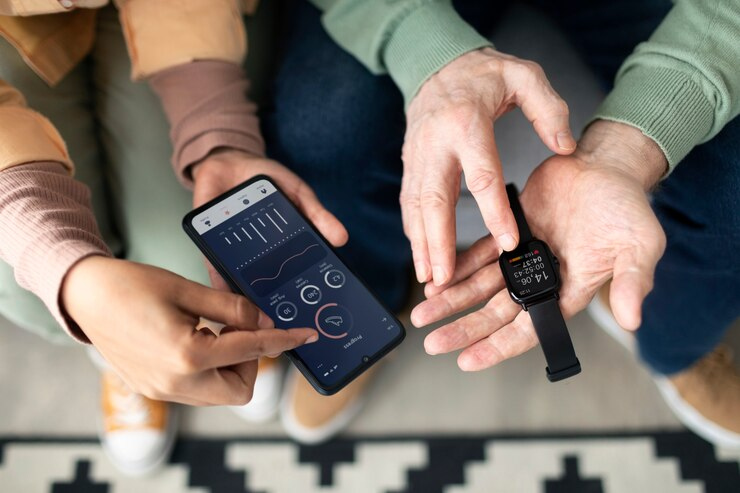
Selecting the best microcontroller involves balancing several technical and commercial factors. Developers must consider the specific requirements of the wearable, such as the number and type of sensors, the need for real-time processing, and the desired battery life.
For those interested in the steps to build a wearable product, understanding microcontroller selection is a critical early stage. Here are some key considerations:
- Application Requirements: Does the device need to process complex algorithms, or is it primarily collecting and transmitting sensor data?
- Power Budget: How often will the device be charged? Devices meant for continuous wear need ultra-low power chips.
- Connectivity: Is Bluetooth, Wi-Fi, or another protocol required for your use case?
- Form Factor: How much space is available for the microcontroller and supporting components?
- Cost: Budget constraints can influence the choice between high-end and more basic microcontrollers.
Emerging Trends in Wearable Microcontroller Design
As wearable technology evolves, so do the demands placed on microcontrollers. Recent trends include:
- Integration of AI Capabilities: Some new microcontrollers feature on-chip machine learning accelerators for real-time health analytics.
- Advanced Security: With increasing concerns over data privacy, microcontrollers now offer enhanced encryption and secure communication protocols.
- Flexible and Stretchable Electronics: Research is ongoing into microcontrollers that can bend and flex, opening new possibilities for smart textiles and medical patches.
- Energy Harvesting: Some designs incorporate the ability to harvest energy from movement, body heat, or ambient light, reducing reliance on batteries.
For a deeper dive into the development process, the wearable device development process article provides a step-by-step overview from concept to launch.
Applications and Examples of Microcontroller-Based Wearables
The versatility of microcontrollers has enabled a wide array of wearable devices, each tailored to specific user needs. Some common examples include:
- Fitness Trackers: Monitor steps, heart rate, and sleep patterns using low-power microcontrollers and integrated sensors.
- Smartwatches: Offer notifications, GPS, and health monitoring with more powerful chips capable of multitasking.
- Medical Devices: Continuous glucose monitors and ECG patches rely on secure, reliable microcontrollers for patient safety.
- Smart Clothing: Embedded microcontrollers enable responsive lighting, temperature regulation, or posture correction.
- Industrial Wearables: Devices for worker safety and productivity, such as smart helmets or vests, use robust microcontrollers to process sensor data and communicate alerts.
To explore more about the definition and real-world impact of these technologies, visit this comprehensive overview of wearable technology.
Challenges and Considerations in Wearable Microcontroller Design
While the capabilities of microcontrollers continue to expand, developers face several challenges unique to wearable devices:
- Thermal Management: Heat generated by the microcontroller must be minimized to ensure user comfort and safety.
- Firmware Updates: Secure and reliable over-the-air updates are essential for maintaining device functionality and security.
- Regulatory Compliance: Medical and industrial wearables may need to meet strict standards for safety and data privacy.
- Reliability: Wearables are exposed to sweat, movement, and environmental factors, so microcontrollers must be robust and durable.
For those interested in the reliability aspect, the article on how PCBs are tested for reliability offers insights into ensuring long-term performance in electronic devices.
FAQ: Microcontrollers and Wearable Devices
What makes a microcontroller suitable for wearable applications?
The best microcontrollers for wearables combine low power consumption, compact size, integrated wireless connectivity, and robust security features. They must handle sensor data efficiently while maximizing battery life and fitting into small enclosures.
How do microcontrollers in wearables manage battery life?
These chips use advanced power management techniques, such as deep sleep modes and dynamic frequency scaling, to reduce energy usage. Many also support energy harvesting or ultra-low power operation to extend time between charges.
Can microcontrollers in wearables be updated after deployment?
Yes, most modern wearable devices support over-the-air firmware updates. This allows manufacturers to patch security vulnerabilities, add new features, and improve performance without requiring physical access to the device.
Are there security risks with microcontrollers in wearables?
Like all connected devices, wearables can be vulnerable to hacking or data breaches. Manufacturers address these risks by implementing hardware encryption, secure boot processes, and regular software updates to protect user data.
