

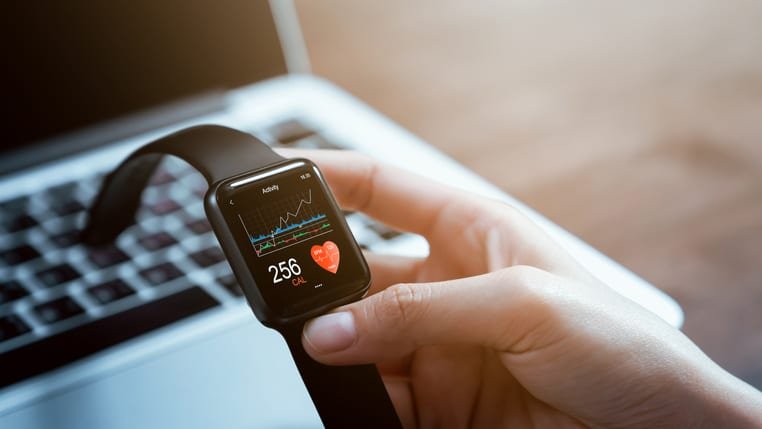
The rise of wearable technology in healthcare has transformed how individuals monitor their health and how professionals deliver care. From smartwatches that track heart rates to advanced biosensors for chronic disease management, these devices are now integral to modern medicine. However, as their influence grows, so does the need for clear and robust medical wearable regulations to ensure safety, efficacy, and privacy.
Navigating the landscape of compliance for these devices can be complex. Developers, manufacturers, and healthcare providers must understand the regulatory frameworks that govern wearable medical technology. This article breaks down the essential aspects of compliance, approval processes, and ongoing responsibilities for anyone involved in this rapidly evolving sector.
For those interested in the approval process, understanding FDA approval for wearable devices is a crucial step toward bringing compliant products to market.
Understanding the Regulatory Landscape for Wearable Devices
The regulatory environment for medical wearables is shaped by a combination of international standards, national laws, and local guidelines. The primary goal is to ensure that devices are safe for users and deliver accurate health data. Regulatory bodies such as the U.S. Food and Drug Administration (FDA), the European Medicines Agency (EMA), and other national agencies set the rules for how these products are designed, tested, and marketed.
Medical wearable regulations typically address several core areas:
- Device classification and intended use
- Pre-market approval and clinical validation
- Post-market surveillance and reporting
- Data privacy and cybersecurity
- Labeling and user information

Device Classification and Its Impact on Compliance
One of the first steps in regulatory compliance is determining how a wearable device is classified. In the United States, the FDA sorts devices into three classes based on risk:
- Class I: Low-risk devices, often subject to general controls (e.g., fitness trackers without diagnostic claims).
- Class II: Moderate-risk devices, requiring additional controls and often pre-market notification (e.g., ECG monitors).
- Class III: High-risk devices, subject to the most stringent regulatory requirements (e.g., implantable cardiac monitors).
The classification determines the level of scrutiny, testing, and documentation required. For example, a wearable that simply counts steps may not need the same level of oversight as one that diagnoses or treats medical conditions.
Approval Pathways and Clinical Validation
Before a medical wearable can be sold or used in clinical settings, it must undergo a series of evaluations. These include laboratory testing, clinical trials, and documentation reviews. The FDA’s 510(k) process is a common pathway for devices that are substantially equivalent to existing products, while the Premarket Approval (PMA) process is reserved for novel or high-risk devices.
In Europe, the Medical Device Regulation (MDR) sets the framework for CE marking, which demonstrates conformity with health, safety, and environmental protection standards. Manufacturers must provide evidence of clinical safety and performance, often through rigorous studies and technical documentation.
For more details on how firmware influences device performance and compliance, see wearable firmware explained.
Data Privacy and Security in Medical Wearable Regulations
Wearable devices collect sensitive health information, making data privacy and cybersecurity a top concern. Regulations such as the Health Insurance Portability and Accountability Act (HIPAA) in the U.S. and the General Data Protection Regulation (GDPR) in Europe set strict rules for data handling, storage, and sharing.
Manufacturers must implement robust encryption, secure data transmission, and user authentication measures. Regular security assessments and prompt reporting of breaches are also required. Ensuring compliance in this area not only protects users but also builds trust in wearable technology.
Post-Market Surveillance and Ongoing Responsibilities
Regulatory compliance does not end once a device is approved and launched. Manufacturers are required to monitor device performance, report adverse events, and update software or firmware as needed to address safety concerns. This ongoing vigilance is critical for maintaining compliance and safeguarding public health.
For insights on optimizing device efficiency while meeting regulatory standards, explore low power design for wearable devices.
Global Trends and Future Directions in Wearable Device Oversight
As wearable technology evolves, so do the regulations that govern it. International harmonization efforts aim to streamline approval processes and reduce barriers to innovation. Organizations such as the International Medical Device Regulators Forum (IMDRF) work to align standards across countries, making it easier for manufacturers to enter multiple markets.
Emerging technologies, such as artificial intelligence and remote patient monitoring, present new challenges for regulators. Keeping pace with these developments requires ongoing collaboration between industry, regulators, and healthcare providers.
To learn more about the innovation driving this sector, visit this comprehensive overview of wearable technology advancements.
Key Takeaways for Developers and Healthcare Providers
- Understand device classification and its impact on regulatory requirements.
- Prepare thorough documentation and clinical evidence for approval processes.
- Prioritize data privacy and cybersecurity from the earliest design stages.
- Stay informed about post-market obligations and regulatory updates.
- Engage with international standards to facilitate global market entry.
For those interested in the technical side, understanding the difference between firmware and software in wearables can help ensure compliance with both functional and regulatory requirements.
Frequently Asked Questions
What are the main regulatory bodies overseeing medical wearables?
The primary agencies include the U.S. Food and Drug Administration (FDA), the European Medicines Agency (EMA), and national authorities in other regions. These organizations set and enforce standards for safety, efficacy, and data protection in wearable health technology.
How does device classification affect regulatory requirements?
Device classification determines the level of oversight, testing, and documentation needed. Higher-risk devices face more stringent requirements, including clinical trials and detailed technical documentation, while lower-risk devices may only need to meet general controls.
Why is data privacy important for wearable medical devices?
Wearable devices collect and transmit sensitive health information. Ensuring data privacy protects users from unauthorized access and misuse, and is mandated by regulations such as HIPAA and GDPR. Robust security measures are essential for compliance and user trust.
