

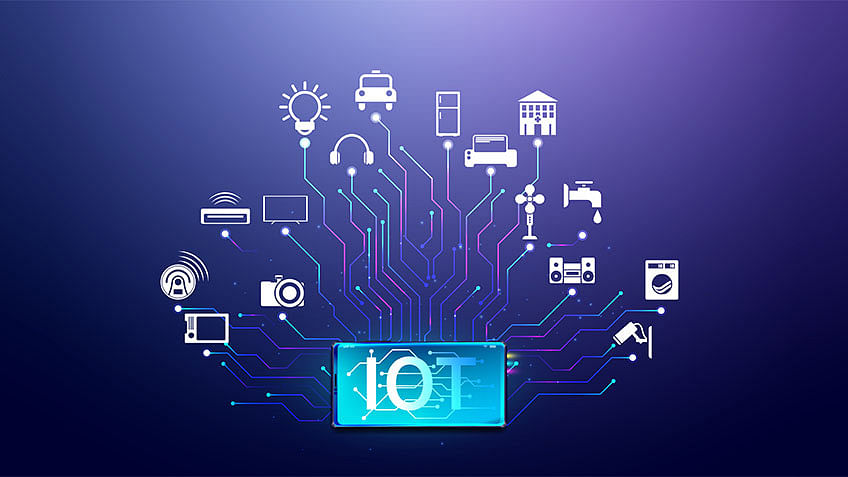
The world of the Internet of Things (IoT) is rapidly expanding, with billions of devices connecting and communicating with each other every day. At the heart of this technological revolution are low power microcontrollers for IoT. These tiny yet powerful components are essential for enabling devices to operate efficiently and effectively. Understanding these microcontrollers is crucial for anyone involved in technology, especially for exporters and importers who deal with electronic components and IoT devices.
What Are Low Power Microcontrollers?
Low power microcontrollers are specialized integrated circuits designed to perform tasks with minimal energy consumption. They are crucial for IoT applications because they enable devices to operate for extended periods without frequent battery replacements or high energy costs. This efficiency makes them ideal for IoT devices, which often need to function independently in remote locations.
Why Are They Important for IoT?
The significance of low power microcontrollers for IoT lies in their ability to sustain device operation over long periods while consuming minimal power. This is particularly important for IoT devices that rely on battery power, such as sensors and wearables. The efficiency of these microcontrollers ensures that devices remain operational without frequent maintenance or downtime.
The Role in Energy Efficiency
Energy efficiency is a critical concern in IoT applications, and low power microcontrollers play a pivotal role in achieving this. By minimizing power consumption, these microcontrollers help reduce the overall energy footprint of IoT devices, making them more sustainable and cost-effective.
Applications of Low Power Microcontrollers in IoT
From smart homes to industrial automation, low power microcontrollers are employed in a variety of IoT applications. They are used in smart meters, environmental sensors, wearable technology, and more. Their versatility and efficiency make them an integral part of modern IoT solutions.
Smart Home Devices
In the smart home sector, these microcontrollers enable devices like smart thermostats, lighting systems, and security cameras to operate seamlessly. They ensure that these devices can communicate with each other and the cloud without consuming excessive energy.
Industrial IoT
In industrial settings, low power microcontrollers are used in machinery monitoring, predictive maintenance, and energy management systems. Their ability to process data and communicate with other devices ensures efficient and reliable industrial operations.
Challenges in Implementing Low Power Microcontrollers
Despite their advantages, implementing low power microcontrollers in IoT applications comes with challenges. These include the need for advanced design techniques, the integration of multiple functionalities, and ensuring security in data communication.
Design Complexity
Designing IoT devices with low power microcontrollers requires expertise in circuit design and energy management. Engineers must carefully balance power consumption with performance to achieve optimal results.
Security Concerns
Security is a major concern for IoT devices, and ensuring secure communication with low power microcontrollers is crucial. Developers must implement robust security measures to protect data and prevent unauthorized access.
Future Trends in Low Power Microcontrollers for IoT
The future of low power microcontrollers in IoT looks promising, with advancements in technology driving innovation. Emerging trends include the integration of artificial intelligence, improved energy harvesting techniques, and enhanced connectivity options.
AI Integration
By integrating artificial intelligence, low power microcontrollers can process data more efficiently and make intelligent decisions in real-time. This capability is particularly useful in applications like smart cities and autonomous vehicles. For more on AI in IoT, check out this AI integration article.
Energy Harvesting
Advancements in energy harvesting technologies are enabling low power microcontrollers to operate using ambient energy sources like solar or kinetic energy. This development further reduces the dependence on batteries and enhances the sustainability of IoT devices.
Conclusion
In conclusion, low power microcontrollers for IoT are vital components that drive the efficiency and sustainability of IoT devices. Their ability to perform complex tasks with minimal energy consumption makes them indispensable in a wide range of applications. As technology continues to evolve, these microcontrollers will play an even more significant role in the future of IoT.
Further Reading
For those interested in learning more about IoT product development, consider visiting this IoT product development article.
FAQ
What is the main advantage of low power microcontrollers in IoT?
The primary advantage is their efficiency in energy consumption, allowing IoT devices to operate for longer periods without frequent battery replacements.
How do low power microcontrollers contribute to sustainability?
They reduce the overall energy footprint of IoT devices, making them more sustainable and cost-effective over time.
What future trends are expected in low power microcontrollers?
Future trends include AI integration, improved energy harvesting techniques, and enhanced connectivity options, all of which will drive innovation in IoT applications.
