


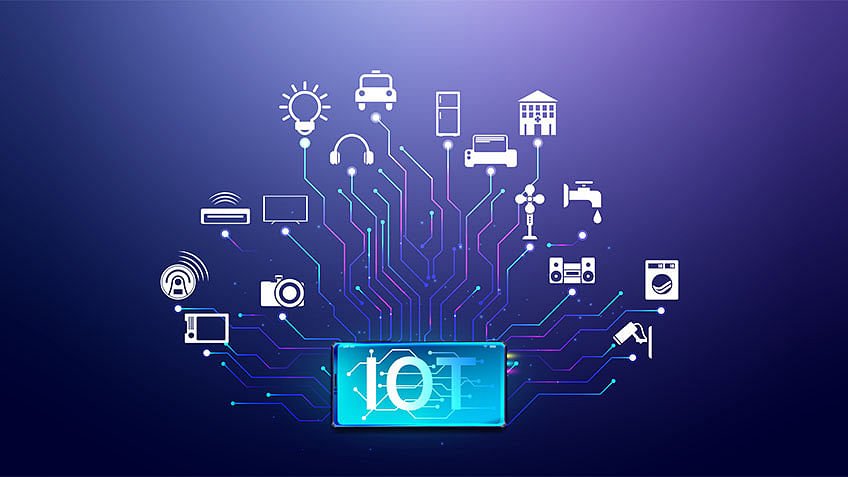
The Internet of Things, commonly referred to as IoT, has revolutionized the way we interact with technology. As businesses and individuals increasingly rely on connected devices, understanding the IoT product development lifecycle becomes crucial. In this article, we delve into the essential phases of developing IoT products, ensuring that exporters and importers gain valuable insights into this transformative process. The IoT product development lifecycle encompasses various stages, each with its unique challenges and opportunities. From conceptualization to deployment, this lifecycle offers a structured approach to creating innovative and effective IoT solutions. Let’s explore the significant phases involved in this lifecycle.
1. Conceptualization of IoT Products
The first step in the IoT product development lifecycle is conceptualization. This phase involves identifying the need for an IoT solution and defining the problem it aims to solve. It’s essential to conduct market research and understand the target audience, including exporters and importers, to ensure the product aligns with their needs.
1.1 Market Research and Analysis
During this stage, businesses gather insights on existing IoT solutions in the market. Analyzing competitors and identifying gaps can offer valuable opportunities for innovation. Learn more about IoT development.
1.2 Defining IoT Product Goals
Clearly outlining the goals and objectives of the IoT product is crucial. This involves specifying the features, functionalities, and benefits the product will offer to end-users, including exporters and importers.
2. Design and Prototyping
Once the concept is clear, the next step in the IoT product development lifecycle is design and prototyping. This phase focuses on creating a blueprint for the product and developing a working prototype.
2.1 Creating a Blueprint
The design process involves creating detailed schematics and diagrams that outline the product’s architecture and components. This blueprint serves as a roadmap for the development team.
2.2 Building a Prototype
A prototype is a preliminary version of the IoT product. It allows developers to test and validate the product’s functionality, ensuring it meets the desired specifications.
3. Development and Testing
The development phase is where the actual product is built. Developers write code, integrate hardware components, and create software applications that power the IoT device.
3.1 Hardware Integration
Integrating hardware components involves assembling sensors, processors, and other electronic parts. Ensuring compatibility and functionality is crucial for seamless operation.
3.2 Software Development
Developers create software that enables the IoT device to collect, process, and transmit data. This phase requires expertise in programming languages and IoT platforms.
3.3 Testing and Quality Assurance
Testing is a critical step to ensure the product functions as intended. Rigorous testing and quality assurance processes help identify and rectify any issues before deployment. For more insights, visit maintenance insights.
4. Deployment and Integration
Once the product has been thoroughly tested, it’s time for deployment and integration. This phase involves launching the IoT product in the market and integrating it with existing systems.
4.1 Market Launch
Launching the product requires strategic planning and marketing efforts to reach the target audience. Engaging with exporters and importers can help expand the product’s reach.
4.2 System Integration
Integrating the IoT product with existing systems ensures seamless data flow and interoperability. This step is crucial for maximizing the product’s effectiveness.
5. Monitoring and Maintenance
After deployment, continuous monitoring and maintenance are essential to ensure the product’s performance and reliability.
5.1 Real-time Monitoring
Monitoring the IoT product in real-time allows businesses to gather valuable data and insights, enabling them to make informed decisions.
5.2 Regular Maintenance
Regular maintenance ensures the product remains functional and up-to-date. Addressing any issues promptly can prevent disruptions. Discover more about rugged electronics.
6. Feedback and Iteration
Gathering feedback from users, including exporters and importers, is crucial for improving the IoT product. Iterating based on feedback ensures the product evolves to meet changing needs.
6.1 User Feedback
Collecting feedback from users provides valuable insights into the product’s strengths and areas for improvement.
6.2 Iterative Improvements
Based on feedback, developers can implement improvements and enhancements, ensuring the product remains competitive and relevant.
7. Future Trends in IoT Development
The world of IoT is constantly evolving. Staying informed about future trends and advancements is essential for businesses looking to innovate and stay ahead in the market. Explore insights about the future of electronics.

FAQ
What is the importance of the IoT product development lifecycle?
The IoT product development lifecycle provides a structured approach to creating IoT solutions, ensuring that products are developed efficiently and meet market needs.
How do businesses benefit from IoT products?
IoT products offer numerous benefits, including improved efficiency, real-time data insights, and enhanced customer experiences, making them valuable for businesses and end-users.
What are the challenges in IoT product development?
Challenges in IoT product development include ensuring compatibility, addressing security concerns, and managing complex data integration processes.
