

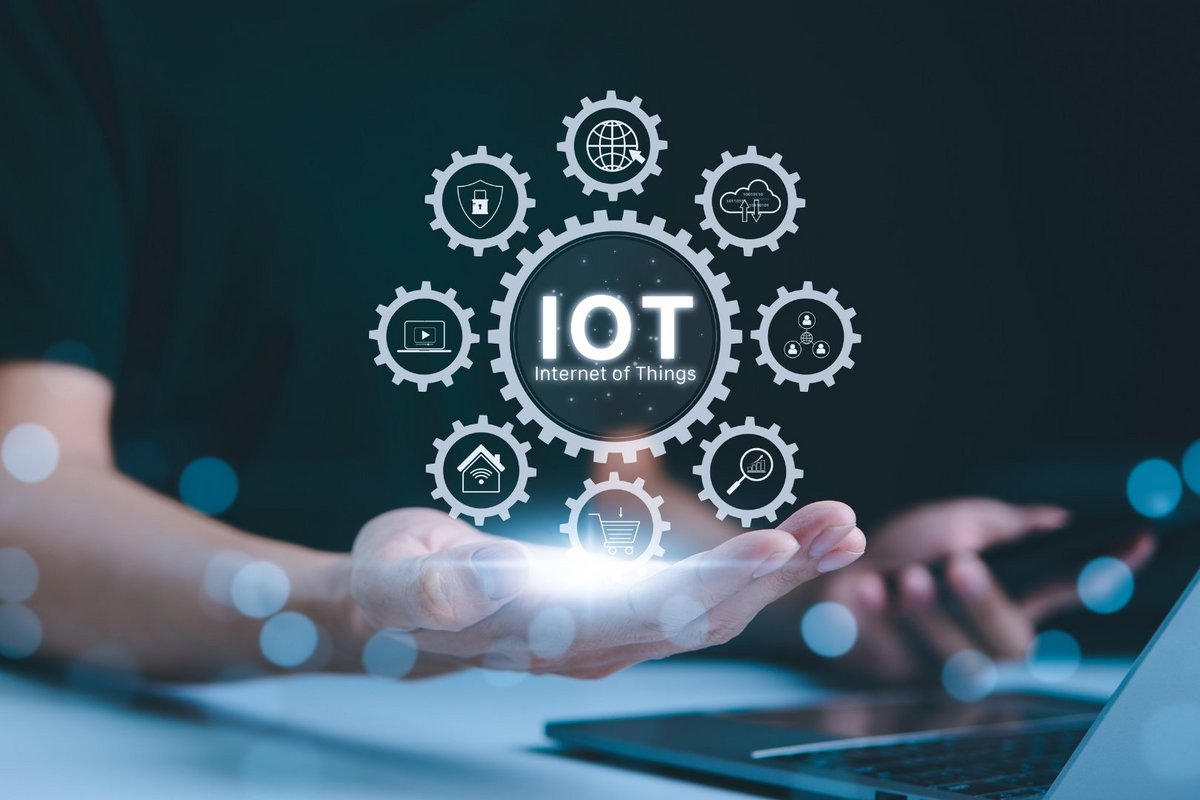
The IoT product design process is a crucial journey for both exporters and importers aiming to make a mark in the technological world. An understanding of this process can pave the way for innovative solutions that meet the demands of a rapidly evolving market. This guide aims to shed light on the essential steps involved, ensuring that your IoT products not only meet industry standards but also exceed customer expectations.

Understanding the Basics of IoT
Before diving into the design process, its essential to grasp the fundamentals of the Internet of Things (IoT). IoT refers to the network of physical objects embedded with sensors, software, and other technologies to connect and exchange data with other devices and systems over the internet.
Importance of IoT in Today’s Market
In todays market, IoT plays a pivotal role in enhancing efficiency, reducing costs, and offering new business opportunities. For exporters and importers, understanding IoT can lead to significant competitive advantages.
Key Stages in the IoT Product Design Process
1. Idea Generation and Feasibility Study
The first step in the IoT product design process is generating innovative ideas and conducting a feasibility study. This involves brainstorming sessions and evaluating the practicality of the ideas.
2. Market Research and Analysis
Conducting thorough market research is crucial. It involves understanding the needs and preferences of the target audience, analyzing competitors, and identifying potential challenges.
3. Design and Prototyping
Designing and prototyping are integral to the IoT product design process. Utilizing the best prototyping tools is essential for creating effective prototypes that serve as a preliminary version of the final product.
4. Development and Testing
Once the design is finalized, the development phase begins. This involves coding, integrating various components, and rigorous testing to ensure the product functions as intended.
5. Deployment and Maintenance
After successful testing, the product is deployed. Regular maintenance and updates are necessary to ensure the product remains relevant and functional over time. For more on maintenance, visit this guide.
Challenges in the IoT Design Process
Despite its benefits, the IoT product design process presents several challenges, including security concerns, data management, and ensuring consistent connectivity.
Overcoming Security Challenges
Security is a major concern in IoT. Implementing robust security measures during the design phase is essential to protect data and maintain user trust.
Future Trends in IoT Product Design
The future of IoT product design is promising, with trends such as AI integration, enhanced connectivity, and increased focus on sustainability shaping the industry. Learn more about the future of rugged electronics.
AI and Machine Learning
AI and machine learning are becoming integral to IoT, enabling smarter and more efficient systems. This trend is expected to grow, offering new opportunities for innovation.
Sustainability in IoT Design
There is a growing emphasis on sustainability in IoT product design. This involves using eco-friendly materials and ensuring products are energy-efficient. Read about the recyclability of rugged electronics.
Conclusion
The IoT product design process offers immense potential for exporters and importers looking to capitalize on the technological revolution. By understanding the key stages, overcoming challenges, and embracing future trends, businesses can create IoT solutions that stand out in the market.

FAQs
What is the first step in the IoT product design process?
The first step is idea generation and conducting a feasibility study to evaluate the practicality of the ideas.
Why is market research important in IoT design?
Market research helps in understanding the needs of the target audience, analyzing competitors, and identifying potential challenges.
How can security challenges be addressed in IoT?
Implementing robust security measures during the design phase is essential to protect data and maintain user trust.
For more insights on IoT product development, visit this resource.
