

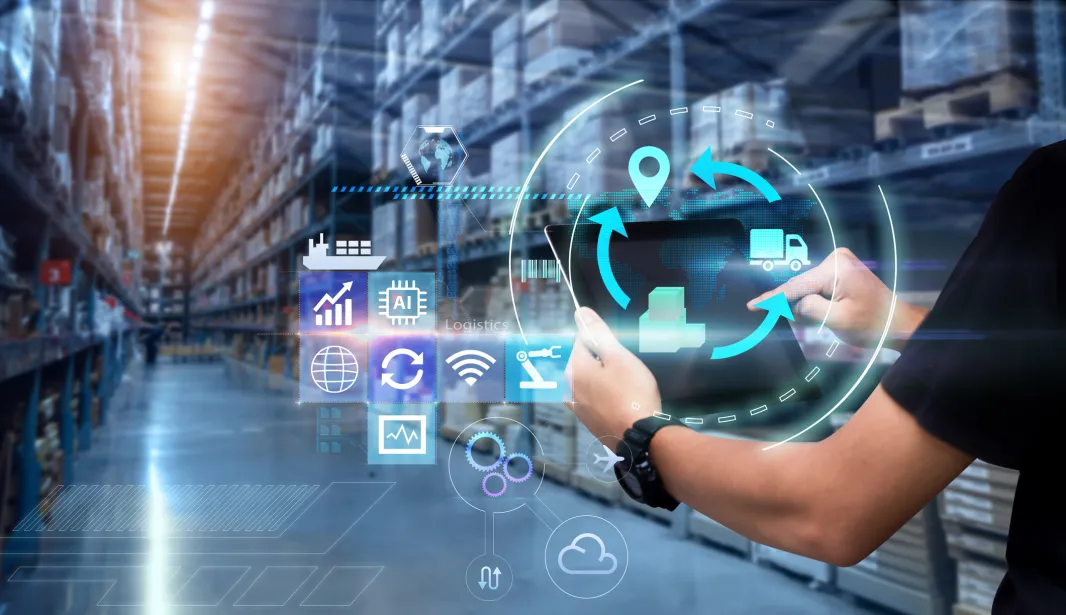
The realm of the Internet of Things (IoT) is vast, encompassing both hardware and software development. For exporters and importers, understanding these two components is crucial. While both are integral to creating IoT solutions, they involve different processes, skills, and challenges. Let’s explore the nuances of IoT hardware vs software development, and how they impact the technology landscape.

What is IoT Hardware Development?
IoT hardware development involves creating the physical devices that interact with the environment. This includes sensors, actuators, and other components that collect data. The design and manufacturing of these devices require meticulous planning and precision. Exporters and importers dealing with these components must ensure they meet global standards and regulations.
Key Components of IoT Hardware
The primary components of IoT hardware include:
- Sensors – Devices that detect and measure physical properties.
- Actuators – Components that convert energy into motion.
- Microcontrollers – Small computers that manage device operations.
Challenges in IoT Hardware Development
One major challenge in hardware development is ensuring durability and reliability. For insights on how to enhance device longevity, you can explore ruggedization techniques for IoT devices.
Understanding IoT Software Development
IoT software development focuses on creating programs that allow hardware to function and communicate. This includes developing user interfaces, data processing algorithms, and network solutions. Software is what brings IoT hardware to life, enabling it to perform complex tasks and provide valuable insights.
Key Components of IoT Software
The primary components of IoT software include:
- Firmware – Software programmed into the hardware.
- Middleware – Software that connects different applications.
- Applications – Programs that provide user interfaces and data analytics.
Challenges in IoT Software Development
Software development comes with its own set of challenges, such as ensuring security and scalability. For more on maintaining these systems, check out maintenance strategies for IoT devices.
The Interplay Between Hardware and Software
In the IoT ecosystem, hardware and software are intertwined. The software must be compatible with the hardware to function correctly. This synergy is essential for successful IoT implementations, as it ensures seamless data flow and accurate device operations.
Importance of Compatibility
Compatibility issues can lead to system failures and inefficiencies. For a deeper understanding of potential pitfalls, explore common failures in electronic systems.
Future Trends in IoT Development
The future of IoT is promising, with advancements in both hardware and software. Innovations in AI, machine learning, and connectivity are set to revolutionize the field. To stay ahead, businesses must keep abreast of these trends and adapt their strategies accordingly. For predictions on future developments, read about the future of rugged electronics.
Conclusion
In conclusion, both IoT hardware and software development play critical roles in the success of IoT projects. Understanding their differences and synergies is vital for exporters and importers involved in this dynamic field. By staying informed and adapting to changes, businesses can harness the full potential of IoT technology.
External Resources
For more information on IoT product development, visit IoT Product Development.
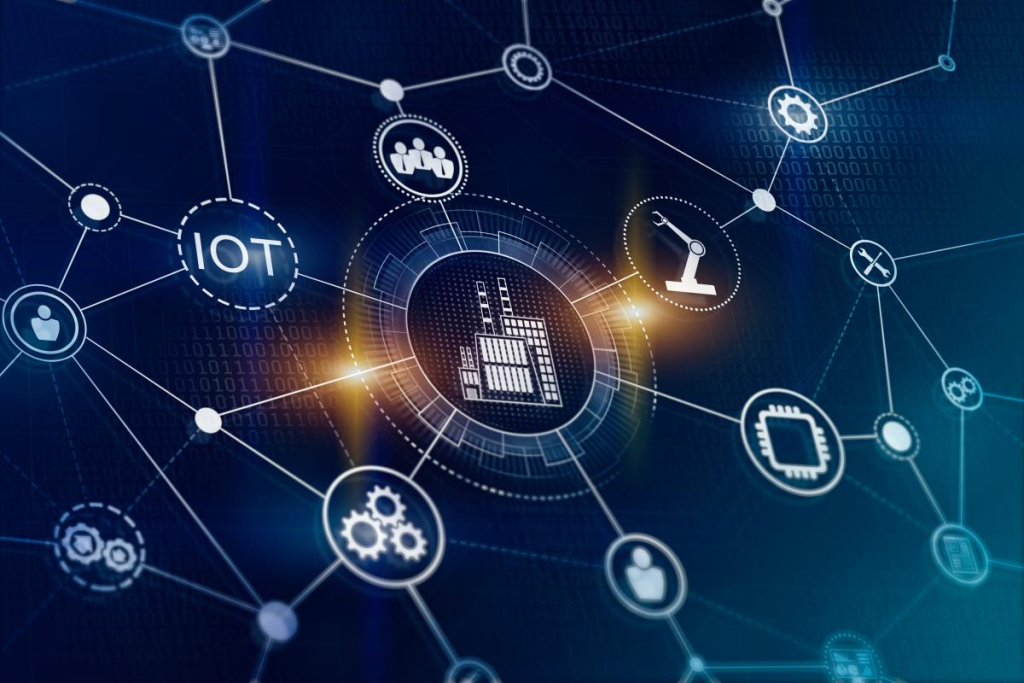
FAQs
1. What is the primary role of IoT hardware?
IoT hardware is responsible for collecting data from the environment through sensors and actuators. It serves as the physical foundation for IoT solutions.
2. Why is software crucial in IoT?
Software enables IoT devices to process data, communicate with other devices, and perform tasks. It is the backbone that makes IoT devices functional and intelligent.
3. How do hardware and software work together in IoT?
Hardware collects data and performs actions, while software processes data and facilitates communication. Their seamless integration is essential for effective IoT solutions.
