

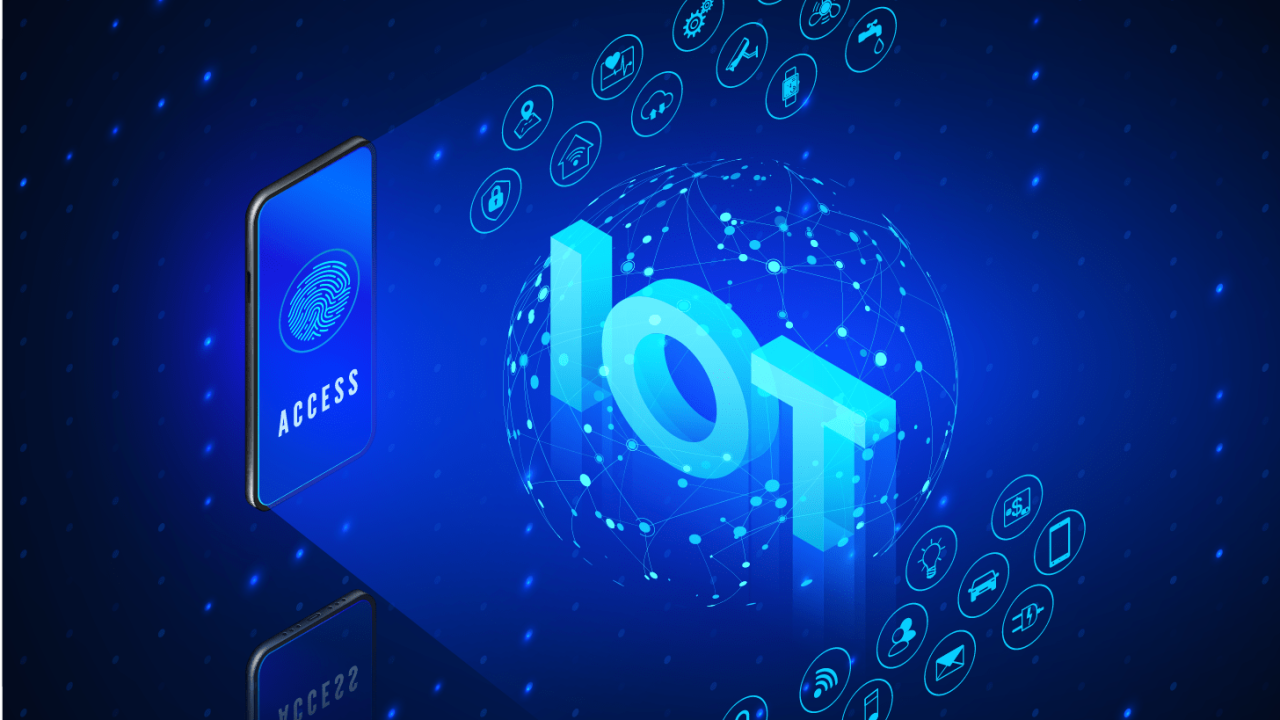
In today’s rapidly advancing technological landscape, IoT-enabled water management is emerging as a groundbreaking solution. This innovative approach is not only transforming the way we handle water resources but also offering sustainable and efficient methods to manage water systems effectively. As the world grapples with challenges like water scarcity and inefficient water distribution, leveraging IoT technology has become crucial.

The Importance of Water Management
Water is a vital resource that sustains life and drives economic growth. However, the increasing demand and mismanagement have led to significant challenges in water availability and quality. Effective water management is essential to ensure that this precious resource is used wisely and sustainably. IoT-enabled water management offers a promising solution by providing real-time data and insights to optimize water usage and reduce waste.
The Role of IoT in Water Management
The Internet of Things (IoT) is a network of interconnected devices that communicate and exchange data. In the context of water management, IoT devices such as sensors, meters, and controllers are deployed to monitor and manage water systems. These devices collect data on water usage, quality, and distribution, enabling operators to make informed decisions and address issues promptly.
Benefits of IoT-Enabled Water Management
There are several benefits to implementing IoT-enabled water management systems:
- Real-time Monitoring: IoT devices provide continuous monitoring of water systems, allowing for the immediate detection of leaks, contamination, or other issues.
- Data-Driven Insights: The data collected by IoT devices can be analyzed to optimize water usage, identify trends, and implement effective conservation strategies.
- Cost Efficiency: By reducing water waste and improving system efficiency, IoT-enabled solutions can lead to significant cost savings for water utilities and consumers.
- Environmental Impact: Efficient water management helps to conserve natural resources and reduce the environmental footprint of water systems.
Challenges in Implementing IoT Solutions
Despite its benefits, the implementation of IoT-enabled water management systems is not without challenges. Technical issues such as connectivity, data security, and interoperability can hinder the deployment of IoT solutions. Additionally, the integration of new technologies into existing infrastructure requires careful planning and investment.
Overcoming Technical Challenges
To address these challenges, it is essential to adopt best practices in IoT system design and deployment. Ensuring robust network connectivity, implementing strong security measures, and using standardized protocols can help overcome technical barriers. For more insights, you can explore our article on IoT interoperability challenges.
Case Studies of Successful Implementations
Several cities and organizations worldwide have successfully implemented IoT-enabled water management systems. For example, the city of Barcelona has deployed a smart water network that uses IoT sensors to monitor water distribution and consumption. This system has resulted in reduced water losses and improved service delivery.
Lessons Learned from Case Studies
These successful implementations highlight the importance of collaboration between stakeholders, including government agencies, technology providers, and water utilities. By working together, these entities can develop innovative solutions that address specific water management challenges and drive sustainable outcomes.
The Future of IoT-Enabled Water Management
The future of IoT-enabled water management looks promising, with continued advancements in technology and increased adoption of IoT solutions. As more cities and organizations recognize the benefits of smart water management, the demand for IoT-enabled solutions is expected to grow.
Emerging Trends and Innovations
Emerging trends in IoT technology, such as the integration of artificial intelligence (AI) and machine learning, are poised to enhance water management systems further. These technologies can provide advanced analytics and predictive insights, enabling more proactive and efficient water management.
To learn more about the potential of IoT in transforming industries, check out our article on environmental monitoring IoT devices.
Conclusion
IoT-enabled water management is revolutionizing the way we approach water resource management. By leveraging IoT technology, we can achieve more efficient, sustainable, and cost-effective water systems. While challenges remain, the continued development and adoption of IoT solutions hold great promise for the future of water management.
FAQs
What is IoT-enabled water management?
IoT-enabled water management involves using Internet of Things (IoT) technology to monitor and manage water systems more effectively. This includes deploying devices like sensors and meters to collect data on water usage, quality, and distribution.
What are the benefits of IoT in water management?
Benefits include real-time monitoring, data-driven insights, cost savings, and reduced environmental impact. IoT technology enables more efficient and sustainable water management practices.
What challenges are associated with implementing IoT solutions?
Challenges include technical issues like connectivity, data security, and interoperability, as well as the integration of new technologies into existing infrastructure. Overcoming these requires careful planning and collaboration among stakeholders.
