

In today’s rapidly advancing technological landscape, the integration of big data in IoT is reshaping industries and transforming the way we live and work. The combination of big data and the Internet of Things (IoT) holds immense potential, offering a wealth of opportunities for businesses and individuals alike. As we delve into the world of IoT, it becomes clear that big data plays a pivotal role in driving innovation and enhancing connectivity.
The synergy between big data in IoT is evident from the onset, as IoT devices generate vast amounts of data every second. These data points, when harnessed effectively, can lead to actionable insights and improved decision-making processes. The sheer volume of data produced by IoT devices can be overwhelming, but with the right tools and strategies, businesses can unlock valuable insights that drive growth and efficiency.
Understanding Big Data and IoT
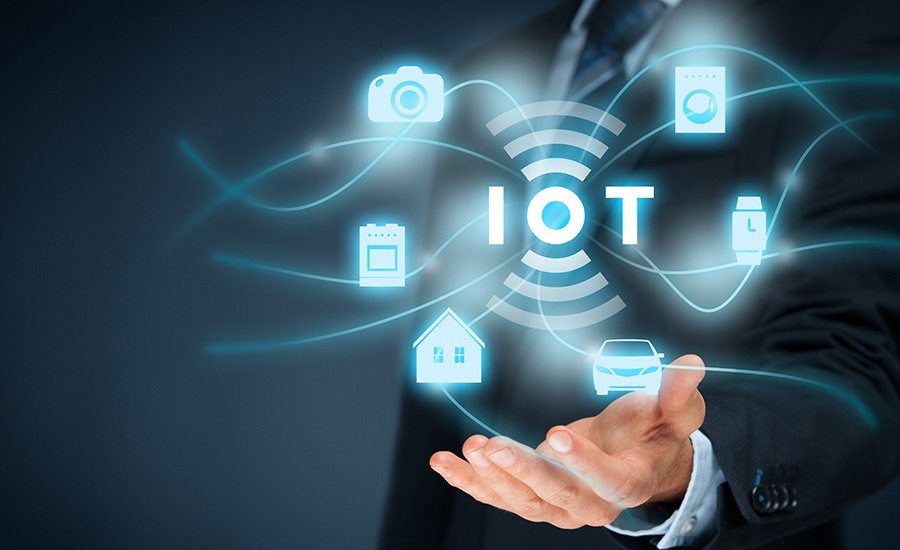
To comprehend the significance of big data in IoT, it’s essential to first understand what these terms entail. Big data refers to the massive volume of structured and unstructured data generated by various sources, ranging from social media platforms to IoT devices. On the other hand, the Internet of Things (IoT) refers to the network of interconnected devices that communicate and exchange data with each other via the internet.
The Role of Big Data in IoT
Big data plays a crucial role in the functioning of IoT systems. By analyzing the data collected from IoT devices, businesses can gain valuable insights into consumer behavior, operational efficiency, and market trends. This data-driven approach allows for more informed decision-making and the ability to anticipate future needs and challenges.
Applications of Big Data in IoT
The applications of big data in IoT are vast and varied, spanning across multiple industries. In healthcare, for instance, IoT devices can monitor patient health remotely, while big data analytics can identify patterns and predict health outcomes. Similarly, in the manufacturing sector, IoT devices can optimize production processes, and big data can enhance supply chain management.
Challenges and Solutions in Big Data and IoT
Despite the numerous benefits, there are challenges associated with the integration of big data in IoT. Data security and privacy concerns are paramount, as the vast amount of data generated by IoT devices can be susceptible to breaches. Additionally, the complexity of managing and analyzing big data requires sophisticated tools and expertise.
To address these challenges, businesses must invest in robust cybersecurity measures and data management solutions. Advanced analytics platforms and machine learning algorithms can help in processing and interpreting big data, turning it into actionable insights.
Future Trends in Big Data and IoT
The future of big data in IoT is promising, with emerging trends set to revolutionize the industry. The incorporation of artificial intelligence (AI) and machine learning into IoT systems will enhance data analysis capabilities, leading to more accurate predictions and real-time decision-making. Moreover, the development of edge computing technologies will enable faster data processing and reduced latency.
Big Data in IoT for Exporters and Importers
For exporters and importers, the integration of big data in IoT offers significant advantages. By leveraging IoT devices, businesses can track shipments in real-time, monitor inventory levels, and optimize supply chain processes. Big data analytics can further enhance these operations by providing insights into market trends and consumer preferences, allowing businesses to make informed decisions and stay ahead of the competition.
Implementing Big Data in IoT Systems
Implementing big data in IoT systems requires careful planning and execution. Businesses must identify their specific needs and objectives, and choose the right IoT devices and data analytics tools to achieve their goals. Collaboration with technology partners and experts can facilitate a seamless integration process.
For more insights on IoT product development, you can visit IoT Product Development.
FAQ Section
What is the role of big data in IoT?
Big data plays a crucial role in IoT by providing insights into consumer behavior, improving operational efficiency, and enabling informed decision-making through data analysis.
How does big data enhance IoT systems?
Big data enhances IoT systems by offering real-time data processing, enabling predictive analytics, and optimizing the performance of IoT devices and networks.
What are the challenges of integrating big data in IoT?
Challenges include data security and privacy concerns, the complexity of data management, and the need for advanced analytics tools and expertise.
For more information on the integration of AI in IoT products, you can explore AI Integration in IoT.
Additionally, you can learn about the cost estimation for IoT product development at Cost Estimation for IoT.
