

The industrial electronic product design process is a structured approach that transforms initial concepts into reliable, manufacturable, and market-ready devices. This journey involves multiple disciplines, from electrical engineering and embedded software to mechanical design and regulatory compliance. Understanding each stage is crucial for organizations aiming to deliver robust solutions for industrial environments, where durability, safety, and long-term performance are paramount.
Whether you’re a startup developing your first industrial controller or an established manufacturer updating legacy equipment, a well-defined development path helps minimize risks, control costs, and ensure product success. For readers seeking a comprehensive overview of related development stages, the electronic product design process steps article provides further insights into the broader landscape of electronic design.
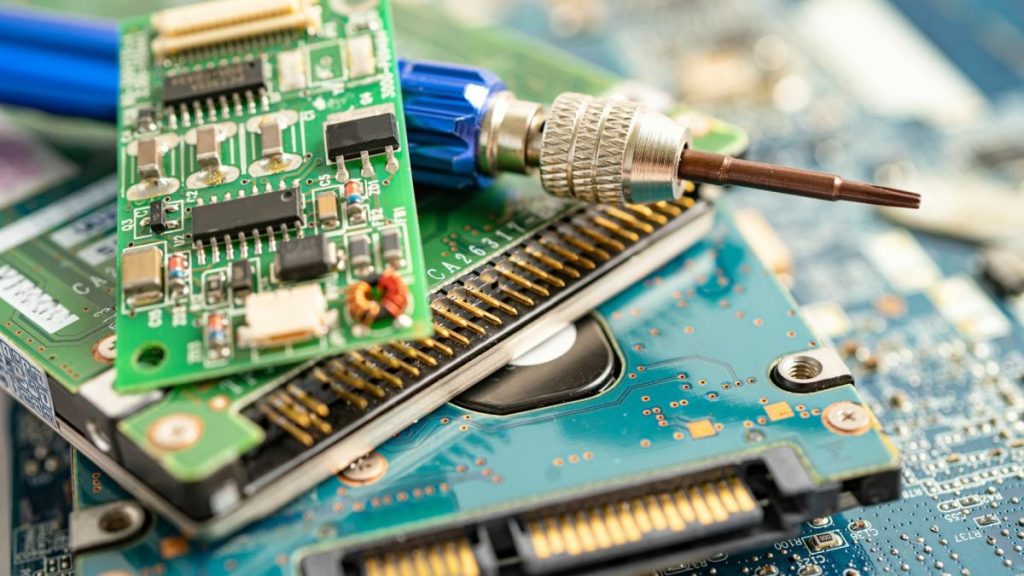
Key Phases in Developing Industrial Electronics
The journey from idea to finished product involves several distinct phases. Each step in the industrial electronics development workflow builds upon the previous, ensuring that the final device meets both technical and market requirements.
- Requirements Gathering: Define the product’s purpose, features, and performance criteria. This includes understanding the target environment, user needs, and regulatory standards.
- Conceptual Design: Brainstorm possible solutions, evaluate feasibility, and select the best approach. Early sketches and block diagrams help visualize the system architecture.
- Detailed Engineering: Develop schematics, PCB layouts, and mechanical enclosures. This phase also involves selecting components and planning for manufacturability.
- Prototyping: Build and test initial versions to validate design choices. Iterative prototyping helps identify issues early and refine the product.
- Testing and Validation: Conduct rigorous testing for functionality, safety, and compliance. Environmental and EMC (electromagnetic compatibility) tests are especially important for industrial devices.
- Production Preparation: Finalize documentation, source components, and set up manufacturing processes. This step ensures a smooth transition to mass production.
- Launch and Support: Release the product to market, provide technical support, and gather user feedback for future improvements.
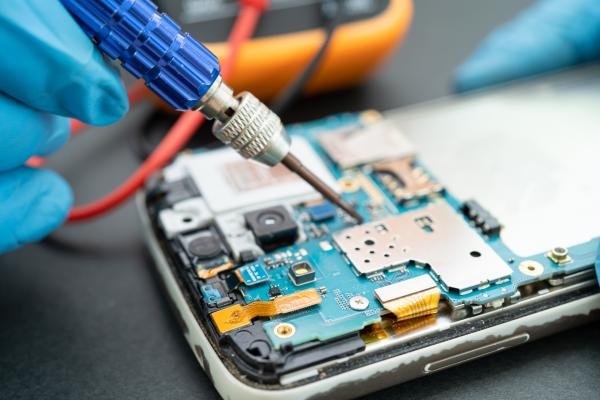
Requirements and Specifications: The Foundation of Success
Every successful industrial electronics project begins with a clear understanding of what the product must achieve. This stage involves close collaboration between stakeholders, engineers, and end users. Key considerations include:
- Environmental Conditions: Temperature extremes, humidity, vibration, and exposure to dust or chemicals.
- Electrical Requirements: Power supply, voltage ranges, and signal integrity.
- Functional Features: Inputs/outputs, communication protocols, and user interfaces.
- Compliance: Industry-specific standards (such as IEC, UL, or CE) and safety regulations.
- Longevity and Maintenance: Expected product lifecycle, serviceability, and upgrade paths.
Documenting these requirements in detail helps prevent costly redesigns and ensures alignment throughout the industrial electronic product design process.
Prototyping and Iterative Development
Prototyping is a critical step in transforming theoretical designs into tangible, testable hardware. Early prototypes allow teams to evaluate circuit performance, mechanical fit, and user interaction. Iterative cycles of building, testing, and refining are essential for identifying design flaws before committing to large-scale manufacturing.
For a deeper dive into hands-on prototyping, the electronic prototyping process guide offers step-by-step advice for engineers and product managers.
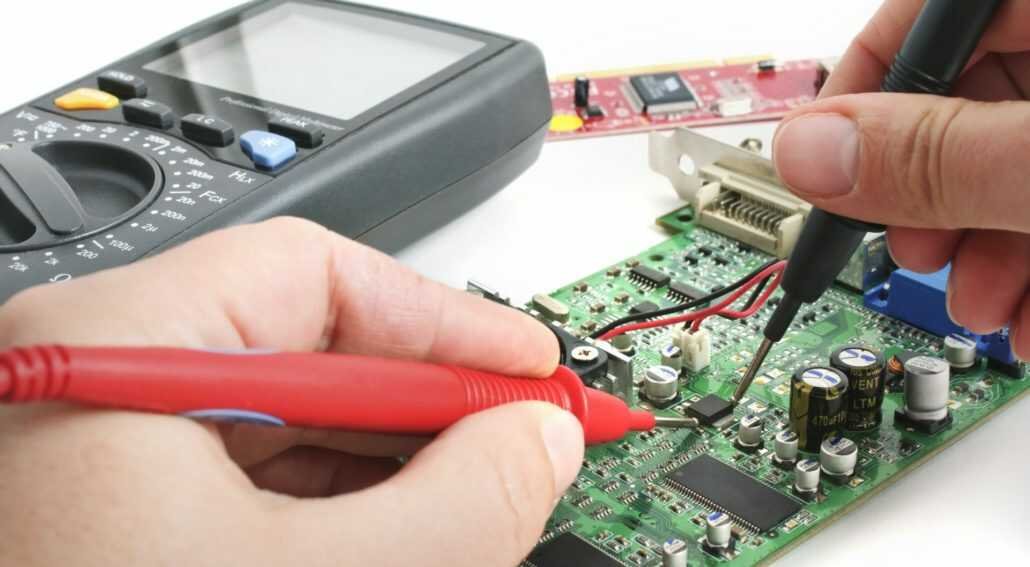
Testing, Compliance, and Quality Assurance
Industrial electronics must operate reliably in demanding environments. Comprehensive testing ensures that products meet all functional, safety, and regulatory requirements. Key aspects of this phase include:
- Functional Testing: Verifies that all features operate as intended under normal and extreme conditions.
- Environmental Testing: Assesses performance under temperature, humidity, shock, and vibration.
- EMC/EMI Compliance: Ensures the device does not emit or succumb to electromagnetic interference.
- Safety Certification: Confirms adherence to industry standards and legal requirements.
- Quality Control: Implements procedures to catch defects before products reach customers.
Addressing these factors early in the development process reduces the risk of costly recalls and enhances customer satisfaction.
Transitioning from Design to Manufacturing
Once the design is validated, attention shifts to preparing for production. This stage involves finalizing bills of materials, creating detailed assembly instructions, and selecting manufacturing partners. Design for manufacturability (DFM) principles help streamline assembly, reduce costs, and improve yield.
Effective communication between design and manufacturing teams is vital. Any last-minute changes must be carefully managed to avoid delays or quality issues. Ongoing collaboration ensures that the finished product matches the original intent and meets all performance criteria.
Best Practices for Efficient Product Development
Streamlining the industrial electronic product design process requires a balance of technical expertise, project management, and attention to detail. Here are some proven strategies:
- Cross-Functional Teams: Involve electrical, mechanical, and software engineers from the outset.
- Early Risk Assessment: Identify potential challenges and address them proactively.
- Iterative Prototyping: Use rapid prototyping to validate concepts and reduce development time.
- Clear Documentation: Maintain up-to-date records for requirements, designs, and test results.
- Continuous Feedback: Gather input from stakeholders and end users throughout the project.
For more expert advice on navigating development challenges, see these tips for successful electronic product development from industry professionals.
Integrating Embedded Systems and Software
Modern industrial devices often rely on embedded systems for control, monitoring, and connectivity. Integrating hardware and software development is essential for achieving optimal performance and flexibility. This includes selecting suitable microcontrollers, developing firmware, and ensuring secure, reliable communication with other systems.
For those interested in a more detailed exploration of this topic, the embedded systems product design services explained article covers the unique challenges and solutions in embedded development.
Frequently Asked Questions
What are the main challenges in industrial electronics development?
The most common challenges include meeting stringent environmental and safety standards, ensuring long-term reliability, managing supply chain risks, and integrating hardware with complex software systems. Addressing these issues early in the project helps prevent costly delays and redesigns.
How does prototyping improve the product development process?
Prototyping allows teams to test concepts, identify design flaws, and gather user feedback before committing to full-scale production. This iterative approach reduces risk, saves time, and results in a more robust final product.
Why is compliance testing important for industrial electronics?
Compliance testing ensures that products meet regulatory requirements for safety, electromagnetic compatibility, and environmental performance. Passing these tests is essential for legal market entry and for building customer trust in the product’s reliability.
