

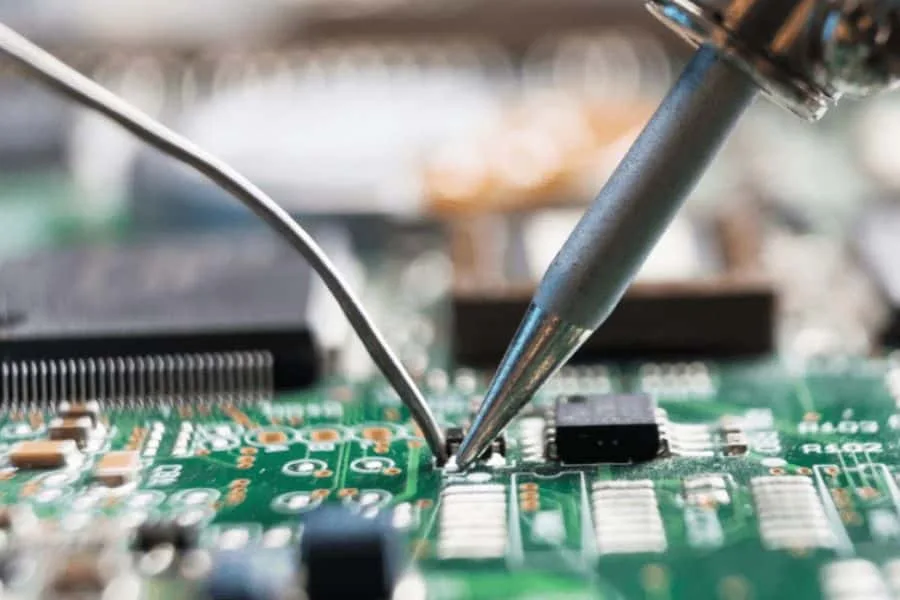
When it comes to product development, the terms ‘industrial design’ and ‘hardware design’ are often used interchangeably. However, these two disciplines are distinct in their approach and focus. This article will delve into the key differences between these two fields, shedding light on their unique roles in the product development process.
Before we delve deeper, you might want to check out some real-world hardware proof of concept examples to get a better understanding of the practical application of hardware design.
Understanding Industrial Design
Industrial design is a process that involves creating concepts and specifications to optimize the function, value, and appearance of products for the benefit of both the user and the manufacturer. It is a multidisciplinary field that combines elements of art, business, and engineering.
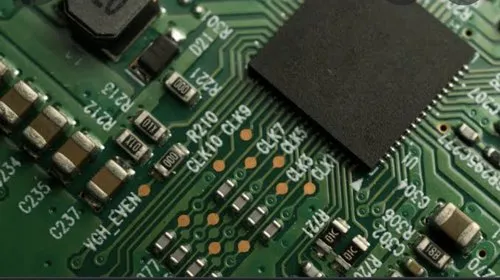
Defining Hardware Design
On the other hand, hardware design is a subset of electrical engineering that focuses on the design and development of physical products. It involves creating schematics, selecting components, and testing prototypes to ensure functionality and reliability.

Key Differences Between Industrial and Hardware Design
While both fields play crucial roles in product development, they differ in several ways. Industrial design is user-oriented and focuses on aesthetics and usability, while hardware design is more technical and focuses on the functionality and performance of the product.
For more insights into hardware design, check out this resource on accelerating hardware prototyping for startups and small companies.
In conclusion, understanding the differences between industrial design and hardware design can help businesses make informed decisions during the product development process. By leveraging the strengths of both disciplines, businesses can create products that not only function well but also appeal to their target users.
Written by Ethan Carter on 2025-10-27
