

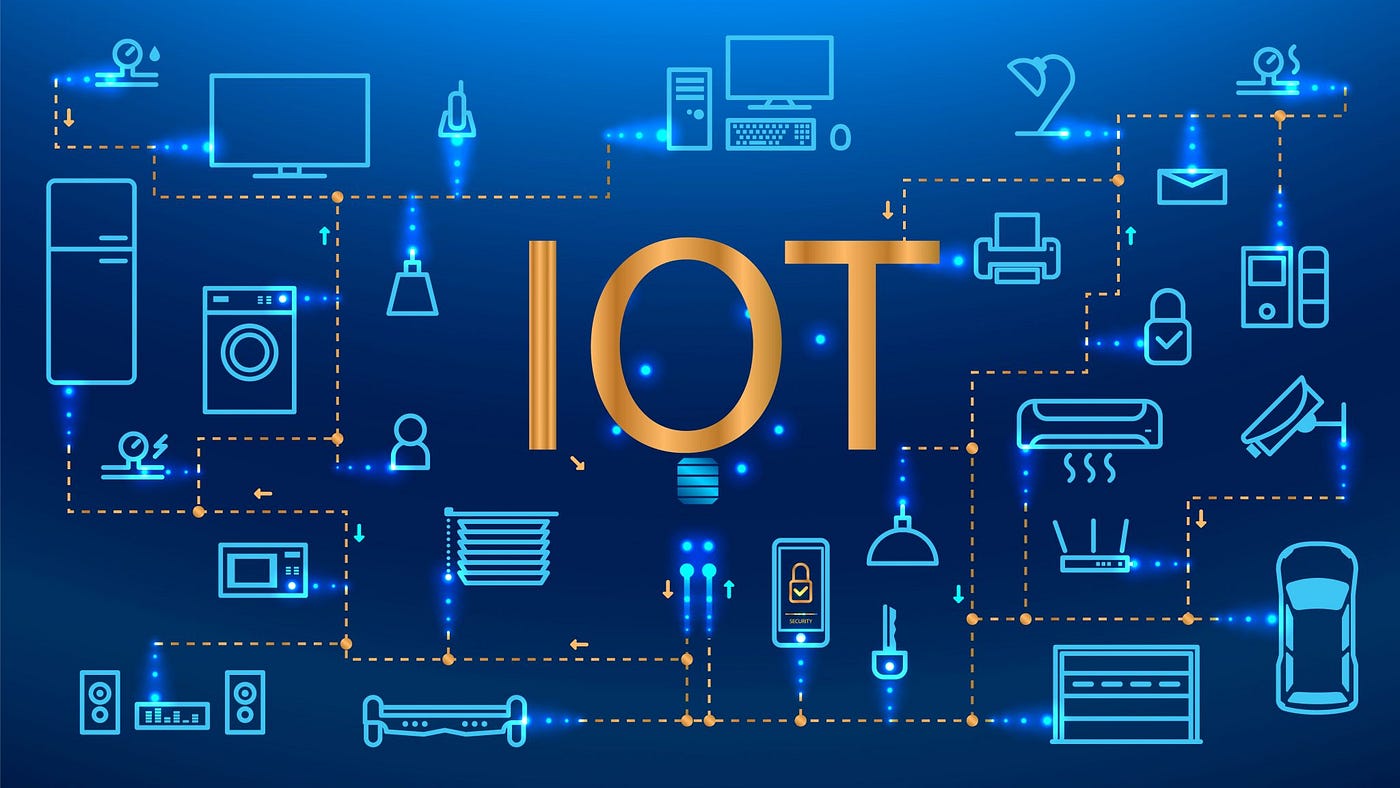
The emergence of Indoor Positioning in IoT Devices is paving the way for unprecedented advancements in connectivity and user experience. As the world shifts towards smarter environments, understanding how this technology impacts daily life is crucial. From retail to healthcare, the applications are vast, and the potential benefits are enormous.
The Basics of Indoor Positioning
Indoor positioning refers to the capability of determining the location of objects or people inside a building using various technological means. Unlike GPS, which works well outdoors, indoor positioning systems (IPS) are designed to work in enclosed spaces.
How Does Indoor Positioning Work?
Indoor positioning systems use different technologies such as Wi-Fi, Bluetooth, RFID, and even ultra-wideband to determine the precise location of an object. These systems employ IoT devices to communicate and triangulate positions, providing real-time location data.
The Role of IoT in Indoor Positioning
The integration of IoT devices in indoor positioning systems enhances accuracy and functionality. IoT devices collect data, communicate with other devices, and provide insights that can be acted upon in real-time. This synergy between IoT and indoor positioning creates intelligent environments that respond to human presence and activity.
Applications of Indoor Positioning in IoT Devices
Retail Sector
In retail, indoor positioning can transform the shopping experience. Retailers can use this technology to track customer movements, optimize store layouts, and provide personalized promotions. This data-driven approach enhances customer engagement and increases sales.
Healthcare Industry
In healthcare, IoT devices with indoor positioning capabilities can track medical equipment, monitor patient movements, and ensure safety. The ability to locate and manage resources efficiently can lead to better patient care and reduced operational costs.
Smart Buildings
Smart buildings leverage indoor positioning for energy management, security, and convenience. By understanding the occupancy patterns, building systems can optimize energy usage, enhance security protocols, and improve overall comfort for occupants.
Challenges and Solutions
Technical Challenges
Despite its potential, indoor positioning in IoT devices faces challenges such as signal interference, high implementation costs, and privacy concerns. However, advancements in technology are addressing these issues, making systems more reliable and affordable.
Privacy Concerns
Privacy is a significant concern with indoor positioning. Ensuring that collected data is secure and used ethically is paramount. Implementing strong data protection protocols and ensuring transparency with users can mitigate these concerns.
Future of Indoor Positioning in IoT Devices
The future of indoor positioning is bright, with continuous innovations enhancing its capabilities. As technology evolves, indoor positioning will become more accurate, affordable, and integrated into everyday life, further bridging the digital and physical worlds.
Integration with Other Technologies
Future developments may see indoor positioning systems integrated with other IoT technologies, such as augmented reality and artificial intelligence, to provide even more immersive and interactive experiences.
Conclusion
Indoor positioning in IoT devices is an exciting frontier that promises to revolutionize various industries. Its ability to provide precise location data in indoor environments opens up new possibilities for innovation and efficiency. As we continue to explore its potential, it is clear that indoor positioning will play a crucial role in shaping the future of connectivity.
FAQ Section
What is Indoor Positioning?
Indoor positioning systems (IPS) determine the location of objects or people inside a building using technologies like Wi-Fi, Bluetooth, and RFID.
How Does IoT Enhance Indoor Positioning?
IoT devices enhance indoor positioning by collecting and communicating data, which improves the accuracy and functionality of location-based services.
What Are the Main Applications of Indoor Positioning?
Indoor positioning is used in retail for customer tracking, in healthcare for resource management, and in smart buildings for energy and security management.
For more insights on IoT and its applications, visit environmental monitoring in IoT and explore the challenges of IoT interoperability. Additionally, learn about the IoT product development life cycle to understand how these devices come to life.
