


In the rapidly evolving world of the Internet of Things (IoT), the concept of Hybrid IoT Architectures is gaining significant attention. These architectures bring together the best of both worlds, combining on-premise and cloud-based systems to offer robust, scalable, and efficient solutions. But what exactly are these architectures, and why are they becoming so crucial?
In this article, well explore the intricacies of Hybrid IoT Architectures, their components, benefits, and how they are shaping the future of IoT. We’ll delve into how these architectures can be particularly beneficial for sectors such as export and import, where real-time data and efficient processes are key.
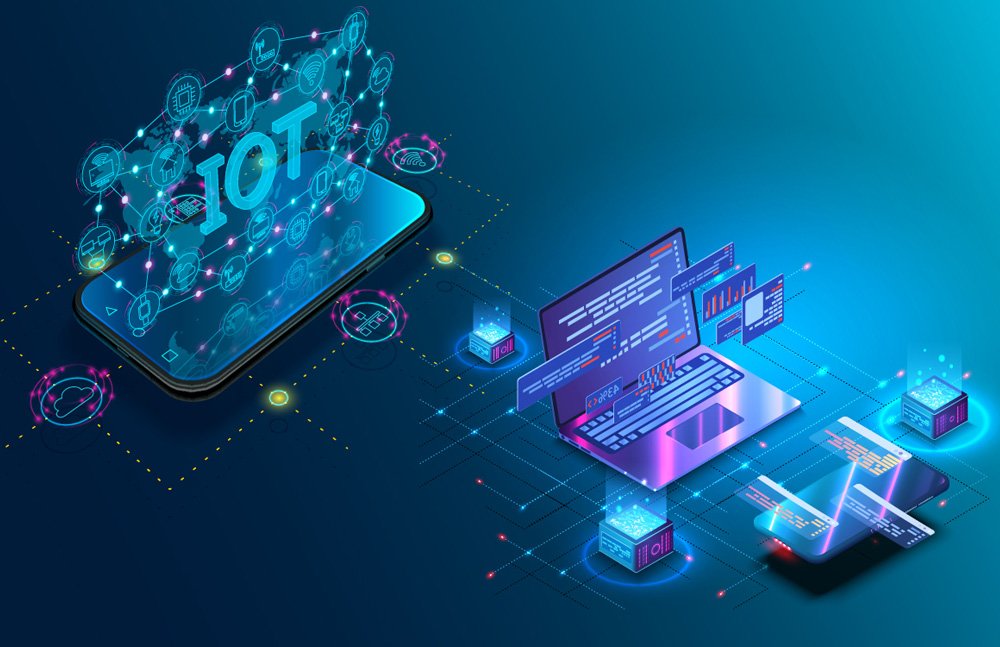
What Are Hybrid IoT Architectures?
At its core, a Hybrid IoT Architecture is a system that combines local computing resources with cloud-based services. This synergy allows for real-time data processing at the edge, while leveraging the vast storage and computational power of the cloud.
The Components of Hybrid IoT Architectures
- Edge Devices: These are the frontline devices that collect data from the environment. They include sensors, actuators, and other IoT devices.
- Edge Gateways: These devices are crucial for data preprocessing and ensuring that only relevant data is sent to the cloud. Learn more about IoT gateway design.
- Cloud Services: The cloud provides the infrastructure for data storage, analysis, and machine learning processes.
Benefits of Hybrid IoT Architectures
These architectures offer numerous advantages, particularly for businesses involved in global trade, such as exporters and importers. Here are some key benefits:
Scalability and Efficiency
By leveraging cloud resources, businesses can scale their operations quickly and efficiently. This is particularly useful for handling fluctuations in trade volumes.
Real-time Data Processing
With edge computing, data can be processed in real-time at the source, allowing for quicker decision-making. This is crucial in logistics and supply chain management.
Enhanced Security
Combining local and cloud resources reduces the risk of data breaches. Sensitive information can be processed locally, while less critical data is sent to the cloud.
Applications in Export and Import
For exporters and importers, Hybrid IoT Architectures can revolutionize operations. Real-time tracking of shipments, inventory management, and compliance with international trade regulations are just a few areas where these architectures prove invaluable.
Real-time Shipment Tracking
By using IoT devices and hybrid architectures, businesses can monitor shipments in real-time, ensuring timely deliveries and efficient logistics management. For more insights, check this article on version control.
Inventory Management
With real-time data processing, businesses can maintain optimal inventory levels, reducing costs and improving service delivery.
Compliance and Regulation
IoT solutions can help businesses comply with international trade regulations by providing accurate and timely data on shipments and inventory.
The Future of Hybrid IoT Architectures
The future of IoT lies in the seamless integration of diverse systems, and Hybrid IoT Architectures are at the forefront of this evolution. As technology advances, we can expect even more sophisticated solutions that offer enhanced capabilities and greater flexibility.
For those interested in the development process of IoT products, this external resource provides a comprehensive overview.
Challenges and Considerations
While Hybrid IoT Architectures offer numerous benefits, there are challenges as well. These include issues related to integration, data management, and ensuring compatibility between different systems.
Integration Challenges
Integrating various systems and devices can be complex. Ensuring seamless communication between edge devices, gateways, and cloud services requires careful planning and execution.
Data Management
With the influx of data from multiple sources, managing and analyzing this data effectively is crucial. Businesses need robust data management strategies to harness the full potential of IoT.
Compatibility Issues
Ensuring compatibility between different devices and platforms is essential for the smooth functioning of hybrid architectures.
Conclusion
In conclusion, Hybrid IoT Architectures offer a powerful solution for businesses looking to harness the potential of IoT. By combining the strengths of local and cloud computing, these architectures provide scalable, efficient, and secure solutions that can transform industries, particularly in the realm of export and import.

FAQs
What is a Hybrid IoT Architecture?
A Hybrid IoT Architecture combines local and cloud resources to offer scalable and efficient IoT solutions.
Why are Hybrid IoT Architectures important for exporters and importers?
They provide real-time data processing and enhanced logistics management, crucial for global trade operations.
What are the challenges associated with Hybrid IoT Architectures?
Challenges include integration issues, data management complexities, and ensuring system compatibility.
