

Wearable technology has become a staple in modern life, powering everything from fitness trackers and smartwatches to advanced health monitoring systems. As these devices play an increasingly important role in personal health, safety, and daily convenience, ensuring their reliability and performance is critical. Understanding how wearable devices are tested provides insight into the rigorous processes that guarantee these products meet high standards for accuracy, durability, and user experience.
The journey from concept to consumer-ready wearable involves a series of structured evaluations. These assessments cover hardware, software, user safety, and regulatory compliance. For those interested in the technical side of wearables, learning about the wearable hardware components can offer valuable background before diving into the specifics of testing.
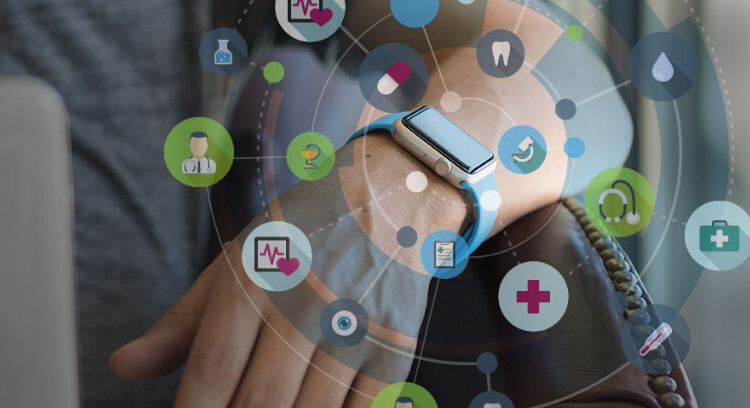
Key Stages in Evaluating Wearable Technology
The process of verifying wearable devices involves multiple phases, each targeting a specific aspect of the product. These stages ensure that the device is not only functional but also safe, comfortable, and compliant with industry standards.
- Hardware validation: Checks the physical components, including sensors, batteries, and connectivity modules.
- Software testing: Assesses the embedded software, user interface, and data processing algorithms.
- Usability and comfort assessments: Ensures the device is comfortable for extended wear and easy to use.
- Regulatory and safety compliance: Confirms adherence to health, safety, and data privacy regulations.
Hardware and Sensor Performance Checks
One of the first steps in testing wearable devices is the thorough examination of hardware components. Sensors, such as heart rate monitors, accelerometers, and gyroscopes, must deliver accurate readings under various conditions. Engineers use controlled environments and real-world scenarios to evaluate sensor precision, consistency, and response times.
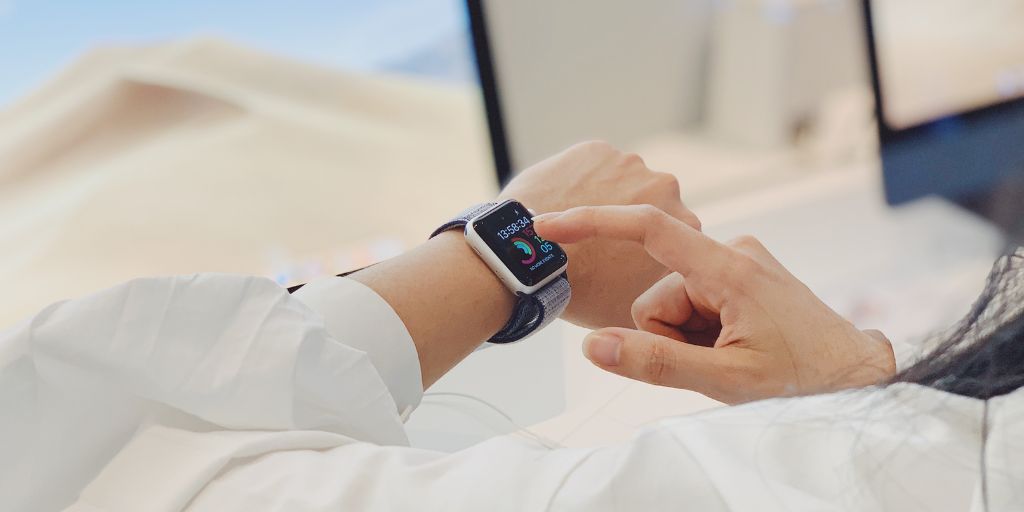
Battery life is another critical factor. Devices undergo stress tests to determine how long they can operate on a single charge and how they perform under heavy usage. Connectivity modules, such as Bluetooth and Wi-Fi, are tested for stable connections and minimal data loss.
For a deeper understanding of the electronics that power these devices, you might explore the microcontrollers used in wearables, which play a vital role in device responsiveness and efficiency.
Software Reliability and Data Accuracy
The software layer is where much of the user experience and data processing occurs. Testers verify that the firmware and applications run smoothly, respond promptly, and do not crash under normal or edge-case scenarios. This includes checking the accuracy of health metrics, synchronization with mobile apps, and secure data transmission.
Automated testing tools and manual quality assurance processes are both used to identify bugs, inconsistencies, and vulnerabilities. Special attention is given to data privacy, ensuring that sensitive health information is encrypted and handled according to regulations.
The wearable device development process often incorporates iterative testing cycles, allowing developers to catch issues early and refine the product before launch.
Usability and Comfort: Real-World Wear Testing
No matter how advanced the technology, a wearable must be comfortable and intuitive to use. Testers recruit participants to wear the device during daily activities, exercise, and sleep. Feedback is gathered on fit, skin irritation, ease of use, and overall satisfaction.
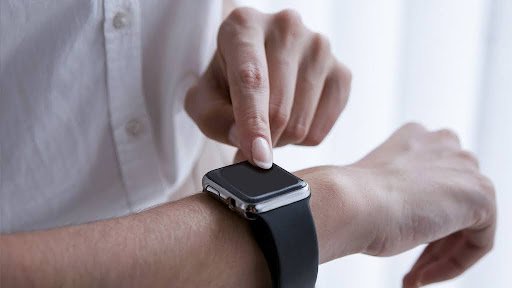
Ergonomic studies help designers refine straps, casings, and controls. The device’s interface is also evaluated for accessibility, ensuring that users of all ages and abilities can operate it effectively.
Compliance, Certification, and Regulatory Testing
Before a wearable can be sold, it must pass a series of regulatory checks. These include electrical safety, electromagnetic compatibility, and, for health-related devices, medical device certifications. Testing protocols may vary by region, but all are designed to protect consumers and ensure product reliability.
For example, devices that monitor vital signs may need to comply with standards set by organizations such as the FDA or CE. Data privacy regulations, like GDPR, are also considered, especially for devices that collect and transmit personal health data.
For a comprehensive overview of the scientific approach to wearable testing, see this peer-reviewed article on wearable device validation.
Continuous Improvement and Post-Launch Testing
The evaluation process does not end once the product reaches the market. Manufacturers continue to monitor device performance through user feedback, software updates, and ongoing quality checks. This helps identify emerging issues, security vulnerabilities, and opportunities for feature enhancements.
Companies often release firmware updates to address bugs or add new capabilities, relying on a robust testing framework to ensure these changes do not introduce new problems. This cycle of improvement is essential for maintaining user trust and device longevity.
If you are considering developing your own wearable, understanding the steps to build a wearable product can help you plan for the extensive testing required at every stage.
FAQ
What types of sensors are most commonly tested in wearables?
The most frequently evaluated sensors include heart rate monitors, accelerometers, gyroscopes, temperature sensors, and SpO2 sensors. Each is tested for accuracy, reliability, and responsiveness under different conditions to ensure trustworthy data collection.
How do manufacturers ensure data privacy in wearable devices?
Data privacy is addressed through encryption, secure data transmission protocols, and compliance with regulations such as GDPR. Regular software audits and updates are performed to patch vulnerabilities and protect user information.
Why is real-world testing important for wearable technology?
Real-world testing exposes devices to the varied conditions of daily life, including movement, sweat, temperature changes, and long-term wear. This helps identify issues that may not appear in laboratory settings, ensuring the device is practical and comfortable for everyday use.
