

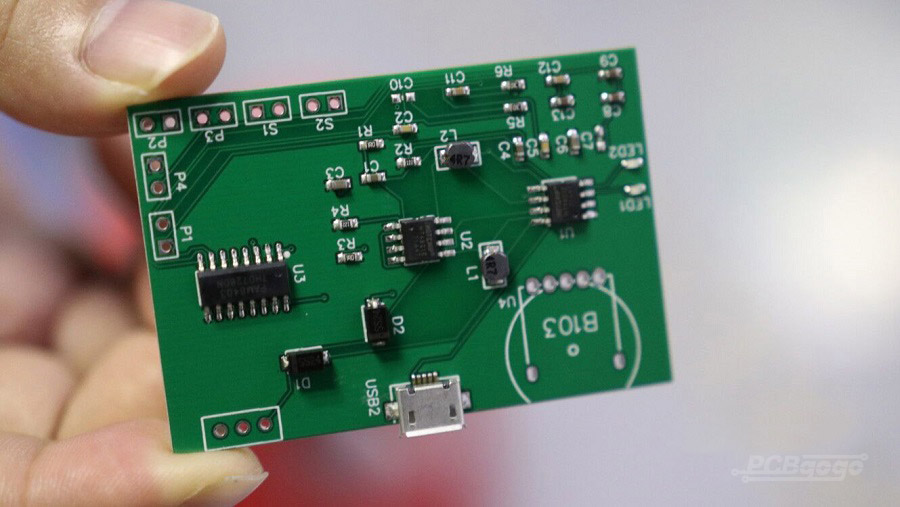
In today’s global market, the need for robust IP protection mechanisms is paramount. For exporters and importers, understanding how turnkey manufacturers handle IP protection can be a game-changer. This article explores the intricacies of IP protection, providing insights into how turnkey manufacturers safeguard intellectual property (IP) rights effectively.

Understanding Intellectual Property (IP) Basics
Before diving into specific strategies, it’s crucial to understand what intellectual property encompasses. IP refers to creations of the mind, like inventions, literary and artistic works, designs, symbols, and names used in commerce. Protecting these assets is vital for maintaining a competitive edge in the market.
The Role of Turnkey Manufacturers
Turnkey manufacturers offer end-to-end solutions, from concept to production. They play a crucial role in safeguarding IP by implementing comprehensive IP protection strategies. To learn more about the concept to prototype workflow used by these manufacturers, visit BL International Company.
Why Protecting IP is Critical
For businesses, especially those engaged in international trade, protecting intellectual property is essential to prevent unauthorized use and ensure fair competition. IP protection helps maintain brand integrity and ensures that the original creators benefit from their innovations.
Challenges in IP Protection
Despite the importance of IP protection, several challenges persist. These include global jurisdiction issues, varied legal standards, and the rapid pace of technological advancements. Turnkey manufacturers must navigate these challenges to effectively protect their clients’ IP.
Key Strategies for IP Protection
1. Comprehensive Contracts
One of the primary strategies employed by turnkey manufacturers is the use of comprehensive contracts. These contracts clearly outline the ownership and usage rights of IP, ensuring both parties understand their responsibilities.
2. Non-Disclosure Agreements (NDAs)
NDAs are critical in protecting sensitive information. By requiring both parties to sign an NDA, turnkey manufacturers ensure that proprietary information remains confidential.
3. Patents and Trademarks
Registering patents and trademarks is a proactive approach to IP protection. It provides legal recognition and protection for inventions and brand identity.
Technological Measures for IP Protection
1. Digital Security
Advanced digital security solutions safeguard digital assets from cyber threats. Turnkey manufacturers invest in robust security systems to protect IP from unauthorized access.
2. Blockchain Technology
Blockchain offers a secure, immutable record of transactions. Its application in IP protection ensures transparency and traceability, making it harder for IP infringement to occur.
Case Studies: Successful IP Protection
Several companies have successfully leveraged these strategies to protect their IP. For instance, read about how hardware design best practices are implemented to safeguard IP rights.
Legal Frameworks for IP Protection
1. International Treaties
International treaties, such as the Paris Convention and the TRIPS Agreement, provide a framework for global IP protection. Understanding these treaties is essential for companies operating internationally.
2. National Laws
Each country has its own IP laws. Turnkey manufacturers must navigate these laws to ensure compliance and effective protection.
Conclusion: The Future of IP Protection
The landscape of IP protection is continually evolving. Turnkey manufacturers must stay ahead of trends and technologies to provide robust protection for their clients.

FAQ
1. What is the role of turnkey manufacturers in IP protection?
Turnkey manufacturers play a vital role by implementing comprehensive IP protection strategies, including contracts, NDAs, and technological solutions.
2. How do international treaties affect IP protection?
International treaties provide a framework for IP protection, ensuring consistent standards across borders.
3. Why is blockchain technology important for IP protection?
Blockchain offers a secure, transparent, and immutable record of transactions, enhancing IP protection by preventing unauthorized modifications.
Visit Hetech for more insights into turnkey PCB assembly and its role in IP protection.
