

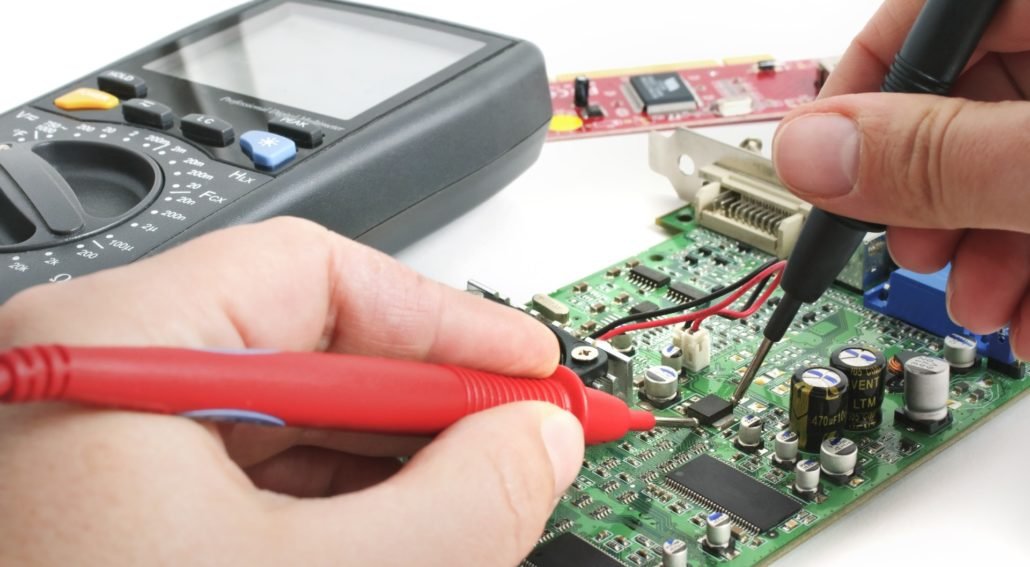
When it comes to developing new hardware, the validation of ideas before the building process is a critical step. This article provides a comprehensive guide on how to evaluate your hardware concepts effectively. It’s an essential read for anyone looking to avoid costly mistakes and ensure their designs are viable from the start.
Before we delve into the details, you may find it helpful to understand hardware and firmware co-design, which is a crucial aspect of hardware development.
Understanding the Importance of Hardware Idea Validation
Validating your hardware concepts is a crucial step in product development. It helps you verify whether your idea is technically feasible, economically viable, and meets market needs. This process can save you time, money, and resources by identifying potential issues before you start building.

Steps to Validate Your Hardware Concepts
There are several steps you can take to validate your hardware ideas effectively. These include market research, prototyping, and testing. Each of these steps is critical in ensuring that your hardware idea is viable and has the potential to succeed in the market.

Common Mistakes in Hardware Idea Validation
While the validation process is crucial, it’s also easy to make mistakes that can derail your project. Some common errors include skipping the validation process, not considering market needs, and failing to test prototypes adequately. To avoid these pitfalls, it’s essential to understand the common mistakes in hardware design and how to avoid them.
Final Thoughts on Validating Hardware Ideas
Validating your hardware ideas before building is a critical step in the product development process. It can save you time, money, and resources, and help ensure that your product is viable and meets market needs. For more in-depth information on this topic, consider checking out this beginner’s guide to rapid prototyping.
Written by Ethan Carter
Published on
