

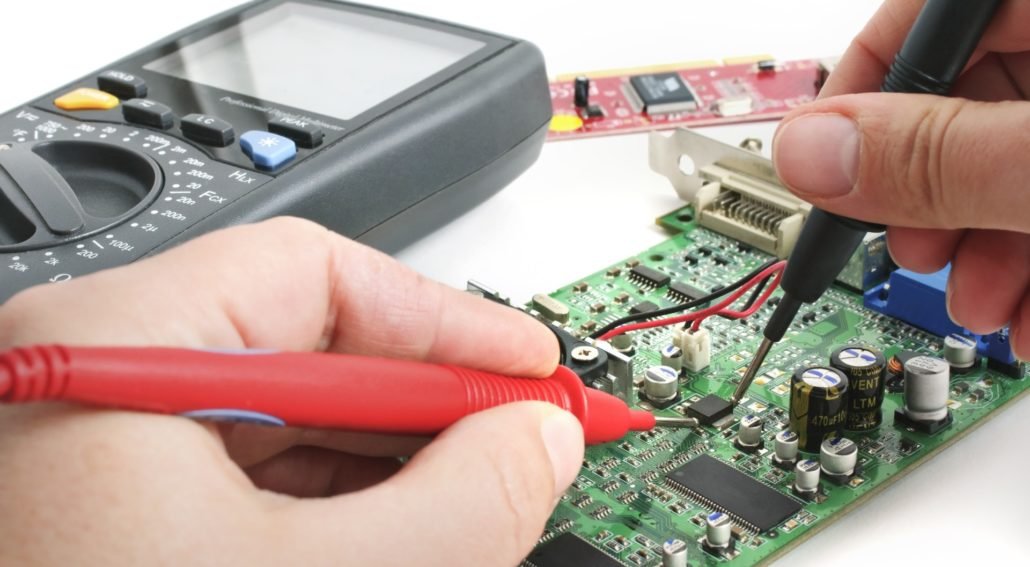
Designing Printed Circuit Boards (PCBs) can seem daunting for beginners. However, with the right guidance and a systematic approach, the process becomes manageable and even enjoyable. In this guide, we will walk you through the basics of PCB design, offering practical tips and insights to help you get started.
Before we delve into the specifics, it’s important to understand the importance of tolerances in hardware design. This foundational knowledge will guide your PCB design process and ensure optimal functionality of your final product.
Understanding the Basics of PCB Design
PCB design is a complex process that involves several steps. It starts with creating a schematic diagram, which is a symbolic representation of the circuit. This diagram is then converted into a layout, which is a physical representation of the circuit on the PCB.
Choosing the Right PCB Design Software
There are several software options available for PCB design. The choice of software can significantly impact the ease and efficiency of the design process. It’s advisable to choose a software that is user-friendly and offers comprehensive features to support your design needs.
Designing Your First PCB
Once you have a good understanding of the basics and have chosen your design software, you can start designing your first PCB. This involves drawing the schematic, laying out the board, and routing the traces. Remember to check your design for errors before proceeding to fabrication.
Final Thoughts
Designing PCBs is a skill that requires practice and patience. Don’t be discouraged if your first few attempts are not perfect. Keep refining your skills and learning from your mistakes. For more insights into rapid prototyping and hardware design, check out this descriptive guide on rapid prototyping.
By Ethan Carter, Published on 2025-11-04
