

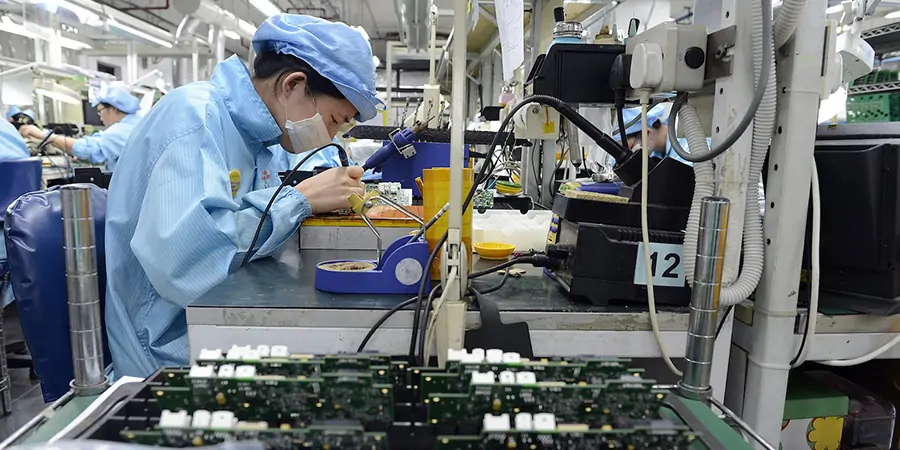
Selecting the best soldering iron tip for your project can make a significant difference in the quality and efficiency of your work. Whether you’re repairing electronics, assembling printed circuit boards, or working on hobbyist projects, understanding the various tip shapes, materials, and compatibility factors is essential. This guide will help you navigate the options and make informed decisions, so you can achieve reliable, professional results.
If you’re interested in related topics, such as what are test points or other PCB assembly processes, you’ll find additional resources on our blog.
Understanding Soldering Iron Tip Types
The first step in how to choose soldering iron tips is to understand the different shapes and their intended uses. The most common tip types include:
- Conical Tips: Pointed ends ideal for precision work, such as soldering small components or fine wires.
- Chisel Tips: Flat, wide surfaces perfect for general-purpose soldering, allowing efficient heat transfer to larger pads and components.
- Bevel Tips: Angled edge tips that combine precision and surface area, useful for drag soldering and spreading solder over larger areas.
- Knife Tips: Sharp, blade-like edges for cutting or removing solder bridges and working in tight spaces.
- Specialty Tips: Designed for unique applications, such as hot air rework, desoldering, or surface mount device (SMD) work.
Each tip shape has its strengths, so consider the type of soldering tasks you perform most often. For example, a chisel tip is versatile for through-hole and surface mount work, while a conical tip excels at delicate jobs.

Material Matters: Tip Composition and Plating
The material of your soldering tip affects its durability, heat transfer, and resistance to corrosion. Most modern tips are constructed with a copper core for excellent thermal conductivity, coated with iron plating to prevent erosion, and sometimes finished with a layer of nickel or chrome for added protection.
- Copper Core: Provides rapid heat transfer, but pure copper tips wear out quickly if not plated.
- Iron Plating: Increases lifespan and resists corrosion from solder and flux.
- Nickel/Chrome Finish: Adds further resistance to oxidation and makes cleaning easier.
When considering how to choose soldering iron tips, always opt for tips with robust iron plating, especially if you use lead-free solder, which can be more corrosive than traditional leaded solder.
Matching Tip Size to Your Project
The size of the tip plays a crucial role in both heat transfer and precision. A tip that’s too large may damage small components or create solder bridges, while a tip that’s too small may not deliver enough heat for larger joints.
- Fine Tips: Best for SMD components, micro-soldering, and intricate PCB repairs.
- Medium Tips: Suitable for most general electronics work, offering a balance between control and heat delivery.
- Large Tips: Ideal for heavy-duty soldering, such as connectors, thick wires, or desoldering large pads.
For most electronics assembly tasks, a medium chisel tip offers versatility. However, if you frequently switch between different types of work, consider keeping a selection of tip sizes on hand.

Compatibility: Ensuring the Right Fit
Not all soldering tips are universal. It’s essential to verify compatibility with your soldering iron model and brand. Manufacturers often design tips specifically for their handles and heating elements, so check the product manual or manufacturer’s website for recommended options.
Some tips are designed for quick-change systems, while others require tools for installation. If you work in a production environment or need to swap tips frequently, quick-change compatibility can save time and reduce wear on your equipment.
Factors to Consider When Selecting Soldering Iron Tips
When evaluating which tip to use, keep these important factors in mind:
- Type of Work: Are you soldering fine-pitch SMDs, through-hole components, or large connectors?
- Temperature Requirements: Some tips are optimized for specific temperature ranges. Make sure your tip can handle the heat settings you need.
- Tip Maintenance: Choose tips that are easy to clean and maintain, as this extends their lifespan and ensures consistent performance.
- Cost and Availability: High-quality tips may cost more upfront but offer better durability and performance over time.
For a deeper look at electronics manufacturing processes and how tip selection fits into the bigger picture, you can explore the complete process of electronic manufacturing services.
Maintaining and Caring for Your Soldering Tips
Proper care extends the life of your soldering tips and maintains optimal performance. Here are some best practices:
- Always tin the tip with fresh solder before and after use to prevent oxidation.
- Clean the tip regularly with a damp sponge or brass wire cleaner, not abrasive materials.
- Avoid leaving the iron on for extended periods without use, as this can degrade the plating.
- Store tips in a dry place and replace them when pitting or corrosion becomes visible.
Regular maintenance not only improves soldering results but also saves money by reducing the frequency of tip replacements.
Advanced Tips for Professional Results
For those seeking to elevate their soldering work, consider these advanced strategies:
- Use specialty tips for unique tasks, such as drag soldering or rework, to achieve cleaner joints and faster results.
- Invest in high-quality, brand-recommended tips for your soldering station to ensure consistent heat delivery and reliability.
- Monitor tip temperature with a thermometer or station readout to avoid overheating and tip damage.
- Keep spare tips available for quick changes during complex assembly or repair sessions.
Learning more about electronics inspection methods can also help you spot soldering issues early and maintain high standards in your projects.
Frequently Asked Questions
What is the best tip shape for beginners?
A medium chisel tip is often recommended for beginners because it provides a good balance between heat transfer and control. It’s versatile enough for most general electronics work, making it a practical starting point.
How often should I replace my soldering iron tip?
Replace your tip when you notice reduced heat transfer, visible pitting, or difficulty in tinning the surface. With proper care, quality tips can last for months or even years, depending on usage frequency and maintenance.
Can I use any tip with my soldering iron?
No, not all tips are compatible with every soldering iron. Always check your iron’s specifications and use tips recommended by the manufacturer to ensure proper fit and performance.
Does tip size affect soldering quality?
Yes, using the correct tip size ensures efficient heat transfer and precise soldering. Too large a tip can cause solder bridges, while too small a tip may not heat joints adequately.
How do I clean my soldering iron tip?
Clean your tip with a damp sponge or brass wire cleaner during use. Avoid abrasive materials that can damage the plating. Always re-tin the tip after cleaning to prevent oxidation.
