

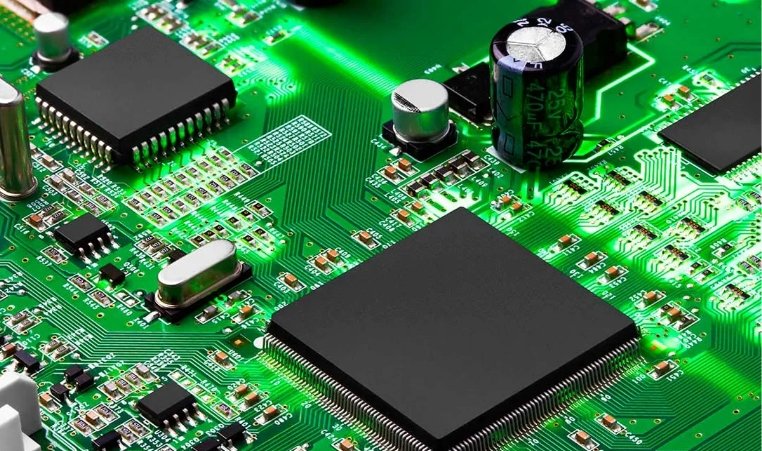
Understanding the process of hardware testing and validation is crucial for any product development. This procedure ensures that the hardware performs as expected and meets the required standards. In this article, we will delve into the various steps involved in hardware testing and validation.
Before we dive into the specifics, it’s important to understand the significance of using CAD for hardware design. CAD tools play a pivotal role in designing and testing hardware, making them an essential part of the process.
Understanding Hardware Testing
Hardware testing involves a series of checks performed on a physical device to ensure its functionality and performance. These tests are designed to uncover any potential faults or issues that could impact the product’s performance or safety.
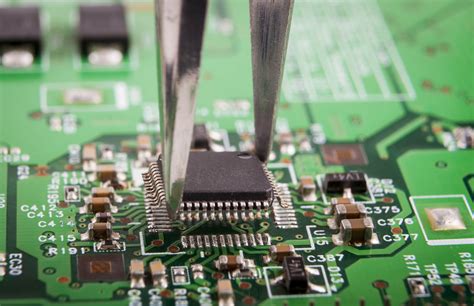
The Importance of Validation
Validation is a critical step that verifies whether the hardware meets the predetermined specifications and requirements. It is a comprehensive process that ensures the product is ready for market release.
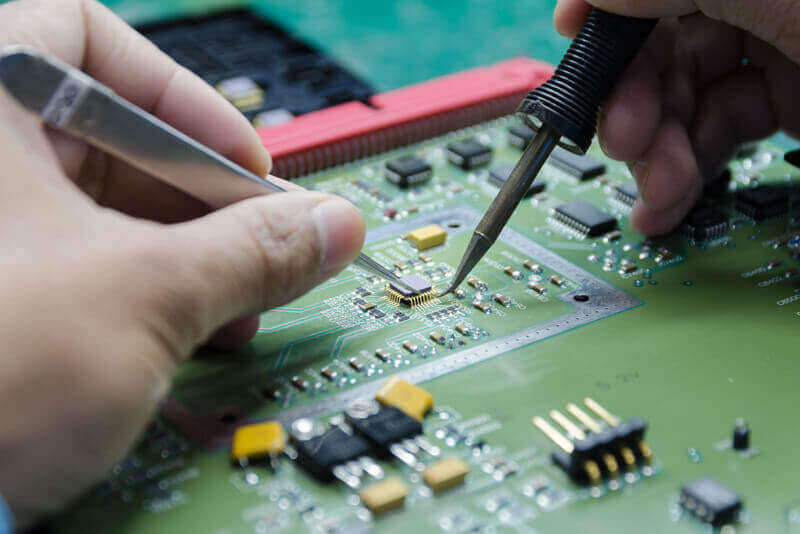
Steps Involved in Hardware Testing and Validation
The process of hardware testing and validation involves a series of steps. These include design verification, physical inspection, functionality testing, and validation. Each of these steps plays a crucial role in ensuring the hardware is ready for market release.
Design Verification
The first step in the process is design verification. This step involves checking the design against the original specifications to ensure it meets the necessary requirements.
Physical Inspection
Next, a physical inspection is conducted. This involves checking the physical components of the hardware to ensure they are correctly assembled and functioning as expected.
Functionality Testing
Functionality testing involves checking the hardware’s performance under various conditions. This includes stress tests, performance tests, and more.
Validation
The final step is validation. This involves confirming that the hardware meets all the predetermined specifications and is ready for market release.
For a deeper understanding of the benefits of hardware prototyping, you can visit this informative article.
Hardware testing and validation are crucial steps in product development. They ensure the product meets the necessary standards and is ready for market release. By understanding these steps, you can ensure your hardware is robust, reliable, and ready for use.
