

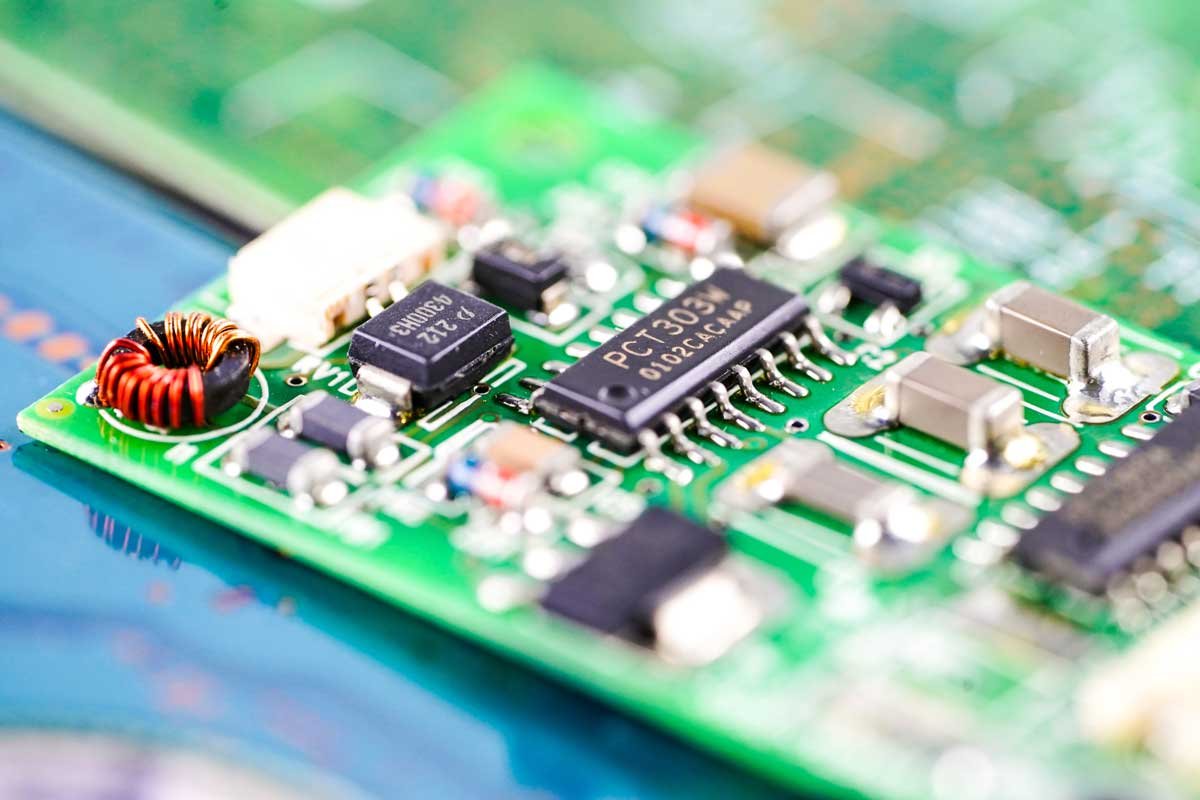
When it comes to creating prototypes for hardware products, simulation techniques play a crucial role. They provide a virtual environment that allows developers to test and validate their designs before manufacturing physical prototypes. This article delves into the various methods of hardware simulation and how they can improve your prototyping process.
To gain a deeper understanding of the process, you might find it useful to read about from cad to prototype.
Understanding Hardware Simulation
Hardware simulation involves creating a virtual model of a hardware device. This model can be used to test the functionality and performance of the device under various conditions. It allows developers to identify potential issues and make necessary adjustments before moving on to the production stage.
Why Use Simulation Techniques in Prototyping?
Using simulation techniques in prototyping offers several benefits. It can save time and resources by identifying design flaws early in the development process. It also allows for more extensive testing, as virtual models can be subjected to a wider range of conditions than physical prototypes.
Popular Hardware Simulation Techniques
There are several hardware simulation techniques that developers commonly use. These include circuit simulation, system-level simulation, and device-level simulation. Each of these techniques has its own advantages and is suited to different types of hardware devices.
Choosing the Right Simulation Technique
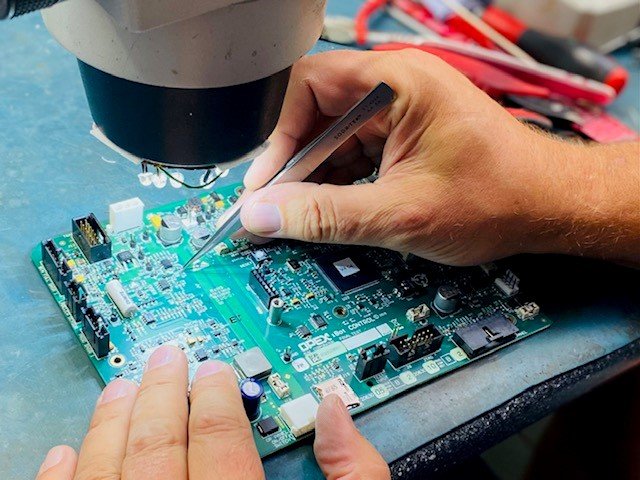
Choosing the right simulation technique depends on the specific requirements of your hardware device. You should consider factors such as the complexity of the device, the resources available for testing, and the level of accuracy required in the simulation.
For more insights on rapid prototyping, you can check out this descriptive anchor text.
By leveraging hardware simulation techniques, developers can create better prototypes, streamline the development process, and ultimately produce higher quality hardware products.
