


Building hardware prototypes can be a challenging task, especially for beginners. However, with the right tools and guidance, it can become an exciting journey of discovery and innovation. One such tool that has revolutionized the process of hardware prototyping is Arduino. This article will guide you through the process of creating hardware prototypes using Arduino.
Before we delve into the details, it’s important to understand the basics of hardware interfaces. This will help you better grasp the concepts we’ll explore here.
Understanding Arduino and Its Role in Prototyping
Arduino is an open-source electronics platform based on easy-to-use hardware and software. It’s designed to make electronics more accessible to artists, designers, hobbyists, and anyone interested in creating interactive objects or environments. When it comes to hardware prototyping, Arduino plays a crucial role.

Steps to Prototype Hardware Using Arduino
Prototyping hardware using Arduino involves a series of steps. These include planning your project, designing the circuit, assembling the components, programming the Arduino, and testing the prototype. Each step is crucial and requires careful attention to detail.
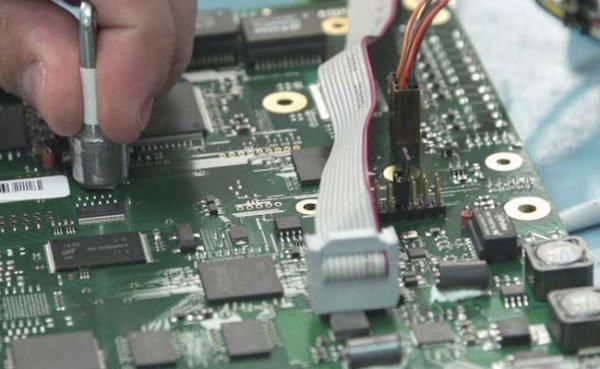
Benefits of Using Arduino for Hardware Prototyping
Arduino offers numerous advantages for hardware prototyping. It’s affordable, flexible, and user-friendly. It also has a large and active community of users who can offer support and inspiration. Additionally, Arduino is compatible with a wide range of sensors and actuators, making it a versatile tool for hardware prototyping.
For more insights on the role of sensors and actuators in prototyping, you can read our article on prototyping with sensors and actuators.
To further enhance your understanding of hardware prototyping and how it can improve user experience, you can refer to this external resource.
By Ethan Carter, Published on 2025-11-04
